 By admin
 Tonsil Stones Demystified: Understanding Those White Bumps in Your Mouth and How to Prevent Them
Ever noticed small, off-white or yellowish lumps nestled in the folds of your tonsils? These common occurrences often prompt concern, but in the vast majority of cases, they are entirely benign. Known medically as tonsilloliths or tonsillar calculi, these formations are widely experienced, frequently without individuals even realizing their presence. This comprehensive guide will delve into what tonsil stones are, explore the reasons behind their formation, outline key symptoms to recognize, and reveal practical daily habits that can significantly reduce their occurrence or prevent them altogether.
What Exactly Are Tonsil Stones?
Despite their name, tonsil stones are not true stones but rather small, solidified accumulations that develop within the natural indentations and fissures of your tonsils, located at the rear of your throat. These calcified formations, also known as tonsilloliths, are composed of a mix of organic and inorganic matter, including:
- Deceased cells
- Residual food particles
- Oral bacteria
- Mucus secretions
- Calcium salts and various other minerals
As these substances become lodged and accumulate over time, they undergo calcification, leading to the creation of the distinctive white or yellowish nodules, typically ranging from 1 to 5 mm, though they can occasionally reach larger sizes.
Recognizing the Symptoms of Tonsil Stones
While many individuals remain asymptomatic, discovering tonsil stones only by chance, several common indicators can suggest their presence. Be vigilant for these signs:
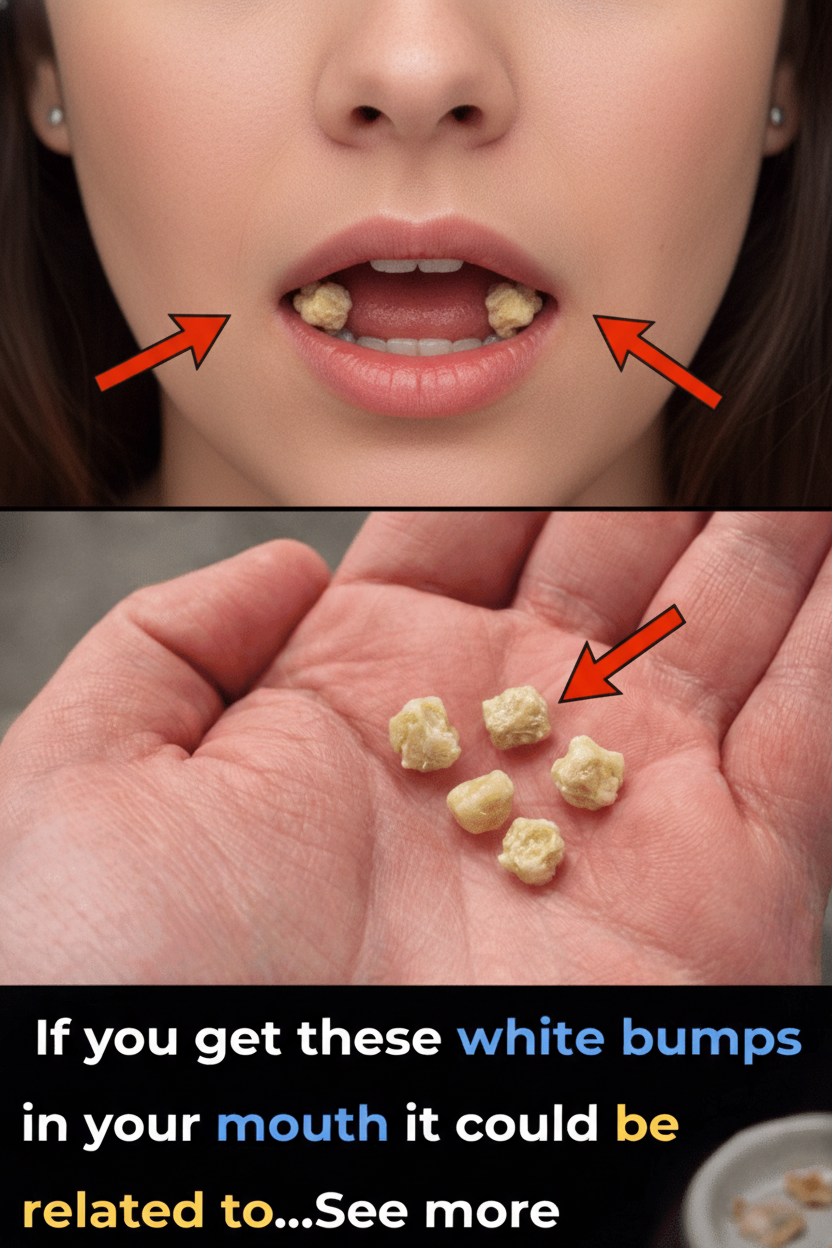
- Visible Lumps: Observing distinct white or yellowish bumps on your tonsils, particularly when examining your throat with good lighting.
- Persistent Halitosis: A strong, unpleasant breath odor (often characterized as a “rotten egg” or “sulfur-like” smell) that persists despite regular brushing and mouthwash use. This is one of the most common and bothersome symptoms.
- Throat Discomfort: Experiencing a persistent sore throat, a sensation of something being lodged in your throat, or general irritation.
- Referred Ear Pain: Pain in the ear, which can occur because the tonsils and ears share common nerve pathways.
- Expulsion of Debris: Occasionally coughing up small, firm, and often malodorous particles, which are the dislodged tonsil stones themselves.
- Tonsil Swelling: Slight swelling or a feeling of unease in the area surrounding the tonsils.
It’s worth noting that a significant number of people are unaware they have tonsil stones until they visually spot them in a mirror or detect them with their tongue.
Everyday Factors Contributing to Tonsil Stone Formation
Certain daily habits and conditions can create an environment conducive to the development or worsening of tonsil stones. Understanding these contributing factors is key to prevention:
- Insufficient Oral Hygiene: Inadequate brushing and flossing allow bacteria and food particles to accumulate, especially within the tonsillar crypts, providing material for stone formation.
- Persistent Post-Nasal Drip: Continuous dripping of mucus from the nasal passages into the throat can become trapped in the tonsils, adding to the debris that calcifies.
- Xerostomia (Dry Mouth): Conditions leading to reduced saliva flow, such as dehydration, habitual mouth breathing, or side effects from certain medications, diminish the mouth’s natural cleansing action, allowing materials to settle.
- High Dairy Intake: For some individuals, a diet rich in dairy products can lead to increased mucus production, potentially contributing to tonsil stone formation.
- Recurrent Tonsillitis or Throat Infections: Frequent inflammation or infections of the tonsils can enlarge the crypts, making them more prone to trapping debris and forming stones.
- Smoking and Vaping: Irritants from tobacco products and e-cigarettes can inflame the tonsils and promote the accumulation of dead cells and other debris.
Effective Daily Habits to Minimize or Prevent Tonsil Stones
Fortunately, several straightforward daily practices can significantly aid in reducing the likelihood of tonsil stone formation and managing existing ones:
- Maintain Excellent Oral Hygiene: Commit to brushing and flossing meticulously at least twice a day. Pay particular attention to cleaning the back of your tongue, ideally using a tongue scraper to efficiently remove bacteria.
- Rinse with Salt Water: Regularly gargle with a solution of warm salt water (approximately ½ teaspoon of salt dissolved in 250 ml of warm water) 2-3 times daily. This practice helps to dislodge trapped debris and reduces bacterial load.
- Ensure Adequate Hydration: Drink plenty of water throughout the day, aiming for 2.5 to 3 liters. Optimal hydration promotes consistent saliva production, which naturally cleanses the mouth and tonsillar crypts.
- Opt for Alcohol-Free Mouthwash: Incorporate an alcohol-free mouthwash into your routine, especially those containing antiseptic ingredients like chlorhexidine or natural essential oils, to further control oral bacteria.
- Consider a Water Flosser: On a low-pressure setting, a water flosser (such as a Waterpik) can be an effective tool for gently irrigating and flushing out debris from the tonsil crypts without causing irritation.
- Limit Pre-Bedtime Dairy: If you find dairy increases your mucus production, consider avoiding dairy products before sleep to mitigate overnight mucus accumulation in the throat.