 By admin
 Ever experienced a peculiar sensation in your throat, perhaps even coughing up a tiny, foul-smelling lump? This puzzling experience leaves many people wondering about its origin and feeling self-conscious about their breath. These mysterious formations, often mistaken for food debris, are commonly known as tonsil stones or tonsilloliths. They can quietly build up in the tonsils’ crevices, leading to ongoing discomfort and embarrassment despite regular oral care.
But there’s good news—learning about them can help you take simple steps toward better throat health. By the end of this article, you’ll have a complete understanding of what causes these common throat formations and how to manage them effectively.
What Exactly Are Tonsil Stones (Tonsilloliths)?
Known medically as tonsilloliths, tonsil stones are small, hardened clusters that develop within the natural crevices and crypts of your tonsils. These vital lymphoid tissues act as your body’s first line of defense, trapping various particles such as bacteria, food debris, dead cells, and mucus. Over time, if these trapped materials accumulate and calcify with minerals like calcium, they solidify into the distinctive white or yellowish formations we call tonsil stones.
While most tonsil stones are small, often compared to grains of rice, some can grow considerably larger. Experts at the Cleveland Clinic confirm that these formations are quite common and generally not a cause for major medical concern. You might discover them during a routine self-examination or a dental check-up. Understanding their formation process is crucial for effective prevention and management.
Recognizing the Signs: Common Symptoms of Tonsil Stones
Many individuals live with tonsil stones without ever realizing it, as the symptoms can be subtle and easily overlooked. However, when they do manifest, these signs can be quite bothersome and interfere with daily life. Here are the most common indicators:
Persistent Bad Breath (Halitosis)
One of the most distressing and noticeable symptoms is chronic bad breath that seems immune to brushing, flossing, or mouthwash. The bacteria trapped within tonsil stones produce volatile sulfur compounds, which are responsible for their distinctively unpleasant odor. Research suggests that tonsil stones may contribute to up to 10% of all chronic halitosis cases.
Sore Throat or Throat Irritation
You might experience a persistent scratchy sensation, mild discomfort, or a feeling of something being lodged in your throat, especially when swallowing. Larger tonsil stones can physically press against the surrounding tonsil tissue, creating this annoying and persistent sensation.
Visible White or Yellow Spots
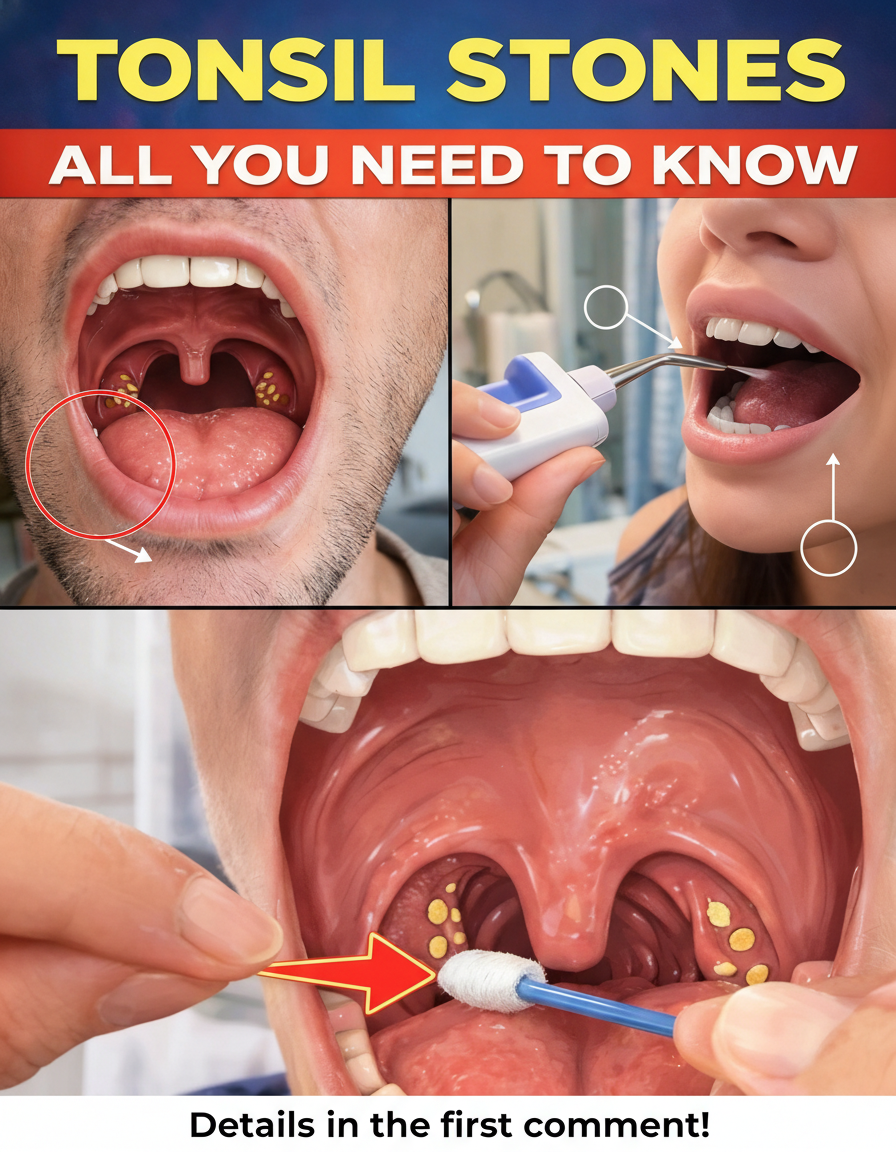
Upon inspecting your throat in a mirror, you might spot small, discolored flecks—white or yellowish—on the surface of your tonsils. These visible tonsil stone deposits may occasionally dislodge on their own or come out when you cough vigorously.
Unexplained Ear Pain
Interestingly, tonsil stones can sometimes cause referred pain that radiates to the ears. This occurs due to shared nerve pathways between the tonsils and the ears, leading to an ache that might seem completely unrelated to your throat or oral health.
Swollen Tonsils or Chronic Cough
In some instances, the irritation caused by tonsil stones can lead to slight swelling of the tonsils or trigger a persistent cough as your body instinctively attempts to clear the foreign objects. While very small stones often go unnoticed, recognizing these patterns can help you identify a potential underlying issue.
It’s important to note that these symptoms can sometimes be mistaken for other conditions. The table below helps clarify:
| Common Symptoms | Why It Happens | Often Mistaken For |
|---|---|---|
| Persistent Bad Breath | Bacterial sulfur compounds | Poor hygiene or diet |
| Sore Throat/Irritation | Tissue pressure from stones | Cold or allergies |
| Visible Spots & Ear Pain | Stone presence & nerve referral | Infection or ear wax buildup |
| Cough & Swelling | Irritation response | Reflux or smoking-related issues |
Understanding the Root Causes of Tonsil Stone Formation
While tonsil stones can develop in anyone, certain predisposing factors significantly increase their likelihood. Understanding these causes is key to prevention:
- Suboptimal Oral Hygiene: Inadequate brushing and flossing allow food particles, bacteria, and dead cells to accumulate in the tonsil crypts, providing material for stone formation.
- Chronic Tonsil Inflammation: Persistent inflammation or recurrent tonsillitis can enlarge the natural pockets (crypts) in your tonsils, making them more prone to trapping debris.
- Anatomical Factors: Individuals with naturally large tonsils or tonsils that possess unusually deep, irregular crypts are inherently more susceptible to this buildup.
- Post-Nasal Drip: Conditions like allergies or sinus issues can lead to increased mucus production, which then drips down the back of the throat, adding more material that can get trapped in tonsil crypts.
Studies indicate that tonsilloliths are particularly common among adults, especially those with cryptic tonsils. The truth is, daily habits and individual anatomical variations play a significant role in their development.
Safe and Effective Home Remedies for Tonsil Stone Removal
For smaller tonsil stones, they often dislodge and come out naturally without any intervention. However, if you wish to address them gently at home, here are several safe and step-by-step methods to consider:
1. Gargling with Warm Salt Water
This is a simple yet effective first line of defense. Mix half a teaspoon of salt into a cup of warm water until dissolved. Gargle vigorously with this solution for 30 seconds, allowing the warm salt water to reach the back of your throat. The saline solution helps to loosen the stones and can also soothe any accompanying throat irritation.
2. Using a Low-Pressure Water Flosser
A water flosser can be a helpful tool, but extreme caution is advised. Set your water flosser to the lowest pressure setting. Carefully aim the gentle stream of water at your tonsils from a safe distance. The idea is to dislodge the debris without causing any harm or discomfort to the delicate tonsil tissue.
3. Gentle Manual Dislodgement (with caution)
If you can visibly see a tonsil stone, you might attempt to gently dislodge it. Always start by thoroughly washing your hands. Then, using a clean cotton swab or a clean finger, gently press on the tonsil tissue near the stone. Apply light pressure to encourage the stone to pop out. Crucially, avoid using sharp objects or applying excessive force, as this could lead to injury, bleeding, or further irritation of your tonsils.
4. Forceful Coughing
Sometimes, a strong, deliberate cough can be enough to dislodge a loose tonsil stone. This is a natural reflex that your body uses to clear the throat, and it can be surprisingly effective.
If tonsil stones are large, cause persistent discomfort, or if you are unable to remove them safely at home, it is always best to consult a healthcare professional. They can provide guidance, perform professional removal if necessary, and discuss more advanced treatment options.