 By admin
 Toddler’s Sticky Eye: Gentle Home Care Tips for Yellow Eye Discharge
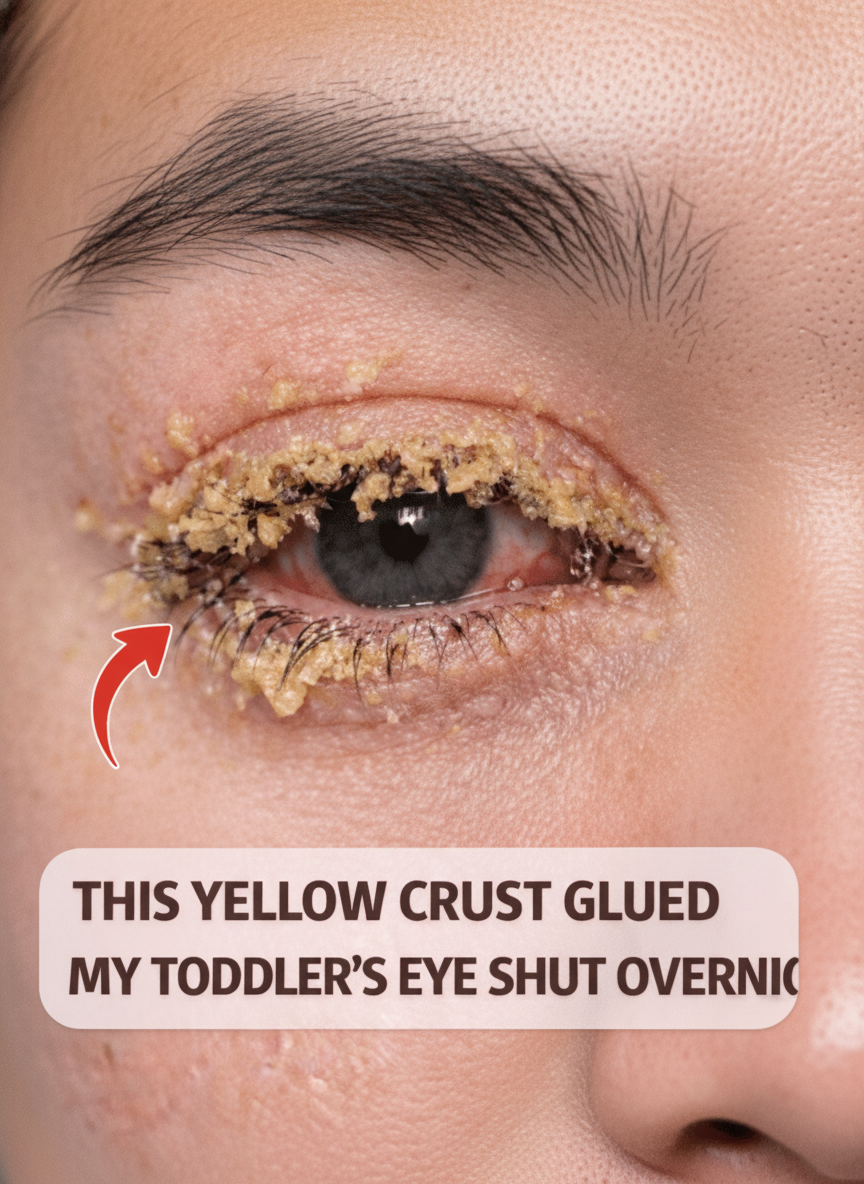
It’s a common morning scene for many parents: your toddler wakes up, rubs their eyes, but one eyelid remains stubbornly shut. A crusty, yellow discharge has sealed it overnight. This can be a source of worry or even embarrassment for parents, especially when their little one becomes distressed because they can’t open their eye comfortably. The reassuring news is that this situation, often referred to as a ‘sticky eye’ or ‘matted eye,’ is very common in young children and is usually linked to mild conditions such as general eye irritation, viral or bacterial conjunctivitis, or a blocked tear duct. What many parents don’t realize is the significant impact simple, consistent home care habits can have in keeping the eye clean and comfortable while symptoms are carefully monitored.
Understanding Why Your Toddler’s Eye Becomes Sticky Overnight
Parents are often surprised by the rapid appearance of thick, yellow eye discharge. One evening, your child seems perfectly fine, and the next morning, their eye is sealed shut with a sticky crust. The key to understanding this lies in the eye’s natural defense mechanism. The eyes constantly produce mucus and tears to protect themselves from irritants and pathogens. When irritation or infection occurs, this protective system becomes more active, leading to an increase in discharge, which can dry and become crusty overnight. Several common conditions can result in this sticky eye discharge.
Conjunctivitis (Often Known as Pink Eye)
Conjunctivitis is an inflammation of the thin membrane (conjunctiva) that covers the white part of the eye and lines the inside of the eyelids. It’s extremely common in toddlers, primarily because young children frequently touch their eyes with unwashed hands, facilitating the spread of germs. Typical signs of conjunctivitis in toddlers include:
- Yellow or green discharge from the eye
- Eyelids stuck together, especially after sleep
- Mild redness around the eye or in the white part of the eye
- Watery or itchy eyes
According to pediatric health research, bacterial conjunctivitis often produces a thicker, more persistent discharge that can re-accumulate throughout the day.
Blocked Tear Duct
Another very frequent cause of sticky eyes in infants and toddlers is a blocked tear duct. Normally, tears drain away through tiny channels located near the nose. When this pathway becomes obstructed, tears and mucus can accumulate in the eye, leading to discharge. Signs that parents might observe include:
- A consistently watery eye, even when not crying
- Sticky discharge that frequently returns shortly after cleaning
- Crust forming in the corner of the eye after naps or overnight
For many children, this condition gradually resolves on its own as the tear duct matures and opens up, typically within the first year of life.
Mild Irritation from Environmental Factors or Colds
Sometimes, the cause of eye discharge is much simpler and less concerning. A toddler might develop sticky eyes when:
- Dust or other small particles enter the eye
- They are experiencing a mild cold or a viral upper respiratory infection
- They rub their eyes with dirty hands, introducing minor irritants
In these scenarios, the eye responds by producing extra mucus to flush away the irritants. However, understanding the cause is only half the battle; how parents manage and clean the eye can significantly impact the child’s comfort and overall eye hygiene.
Safe and Gentle Ways to Clean a Toddler’s Sticky Eye at Home
When your toddler’s eye is sealed shut, the natural inclination might be to quickly rub away the crust. However, healthcare professionals strongly advise a much gentler approach. Cleaning the eye carefully and correctly not only removes the discharge but also helps prevent further irritation or potential infection spread.
Step-by-Step Gentle Eye Cleaning Method
Follow these simple, pediatrician-recommended steps for effective and safe eye cleaning:
- Wash your hands thoroughly with soap and warm water before touching your child’s eye.
- Prepare a cleaning solution: Soak a clean cotton ball or a soft, sterile gauze pad in warm, boiled (and cooled) water or sterile saline solution.
- Wipe gently: With your child calm, gently wipe the affected eye from the inner corner (near the nose) outward towards the ear.
- Use a fresh pad for each wipe: This is crucial to avoid reintroducing bacteria or spreading discharge.
- Repeat as needed: Continue this process with new cotton pads until all the crust and discharge are removed and the eyelid can open naturally.
This method effectively softens dried mucus, allowing the eyelid to open without force. An important point many parents overlook: never reuse the same cotton pad on both eyes, even if only one eye appears affected. This significantly reduces the risk of spreading irritation or infection from one eye to the other.
Simple Home Care Habits to Reduce Eye Irritation
While a thorough cleaning is important, daily routines and habits also play a vital role in managing and reducing eye irritation. Implementing these small practices throughout the day can help keep your toddler’s eye area comfortable and clean.
Utilize a Warm Compress for Soothing Relief
A warm compress is an excellent tool to help loosen stubborn crust and provide soothing relief to an irritated eye. Here’s how to apply it safely:
- Prepare the compress: Soak a clean, soft cloth (like a washcloth) in warm (not hot) water. Wring out excess water so it’s damp, not dripping.
- Apply gently: Place the warm compress gently over your toddler’s closed eyelid.
- Allow it to work: Leave it in place for approximately 5 to 10 minutes.
The warmth helps to soften dried discharge, making it much easier to wipe away with the gentle cleaning method described above.
Maintain Eye Cleanliness Throughout the Day
If eye discharge returns during the day, simply repeat the gentle cleaning method. Healthcare professionals often recommend removing discharge whenever it appears to prevent build-up and keep the eye area as clean as possible, which can aid in faster recovery.
Prevent the Spread of Irritation and Infection
Toddlers are naturally curious and touch everything around them, making them prone to spreading germs. To minimize the risk of spreading irritation between eyes or to other family members:
- Wash hands frequently: Encourage your toddler and all family members to wash their hands often, especially after touching their face or eyes.
- Avoid sharing personal items: Do not share towels, washcloths, or pillows.
- Regularly clean toys: Disinfect toys that your child frequently handles.
- Discourage eye rubbing: Gently remind your child not to rub their eyes, as this can worsen irritation and spread germs.
These seemingly small habits can make a significant difference in preventing the recurrence and spread of eye issues.
Gentle Tear Duct Massage (If Recommended)
When a blocked tear duct is suspected as the cause of a sticky eye, doctors sometimes suggest a gentle massage technique. Parents may be advised to gently press the area between the inner corner of the eye and the nose. This gentle pressure can help encourage the flow of tears through the duct, potentially clearing the blockage over time.