 By admin
 Toddler Wakes Up with Sticky Eye Discharge? Gentle & Safe Cleaning Tips for Parents
Waking up to find your little one’s eye crusted shut with yellowish discharge can be an alarming sight for any parent. That sticky residue, often described as ‘gunk,’ can make your toddler uncomfortable, causing them to rub their eyes or squint. While it’s natural to worry, this occurrence is surprisingly common in young children. The good news is that, in many instances, simple, gentle home care and proper cleaning techniques can effectively alleviate the discomfort and help clear the discharge.
This comprehensive guide will walk you through expert-recommended safe steps for managing your toddler’s sticky eye, offering peace of mind and practical solutions.
Understanding Why Toddlers Get Sticky Eye Discharge
Seeing sticky or yellow discharge around your child’s eye can certainly raise concerns, but several common factors contribute to its appearance. Young children’s immune systems and tear drainage systems are still developing, making them more susceptible to certain issues. Here are some of the most frequent causes:
- Mild Eye Irritation: Dust, pollen, or even a stray eyelash can irritate the delicate eye area.
- Blocked Tear Ducts: This is particularly prevalent in infants and toddlers. Normally, tears drain through tiny ducts located near the inner corner of the eye. If these pathways become partially or fully obstructed, tears and mucus can accumulate. During sleep, this accumulated discharge can dry, causing the eyelids to stick together.
- Minor Infections (e.g., Conjunctivitis): Also known as ‘pink eye,’ mild bacterial or viral infections can lead to discharge.
- Allergies or Environmental Irritants: Exposure to allergens can trigger an allergic reaction, resulting in watery or sticky eyes.
The comforting aspect is that many cases of sticky eye discharge, especially those linked to blocked tear ducts, often resolve with consistent gentle cleaning and basic care.
When Sticky Eye Discharge Is Likely Mild
Before attempting any home remedies, it’s helpful to observe your child’s symptoms closely. Certain signs often indicate that the issue is mild and temporary, potentially manageable with home care. These include:
- Yellowish crust or discharge primarily noticed upon waking in the morning.
- Minimal redness in the eye or surrounding area.
- Your child is otherwise acting normally, playing, and has a good appetite.
- Tears appear clear or only slightly sticky during the day.
In scenarios like these, pediatricians frequently advise gentle cleaning of the eyelid. However, continuous observation for any changes or worsening symptoms is always crucial. Here’s a quick guide to help distinguish between mild and more concerning symptoms:
Signs That May Suggest a Mild Issue:
- Discharge mainly after sleep
- Slightly watery eyes
Signs That May Suggest a More Serious Issue:
- Heavy redness or significant swelling
- Fever or noticeable pain
- Sensitivity to light
If symptoms seem severe, worsen rapidly, or persist, contacting a healthcare professional is always the safest course of action. But for mild discharge, proper cleaning can make a significant difference.
Safe and Gentle Ways to Clean Your Toddler’s Eye at Home
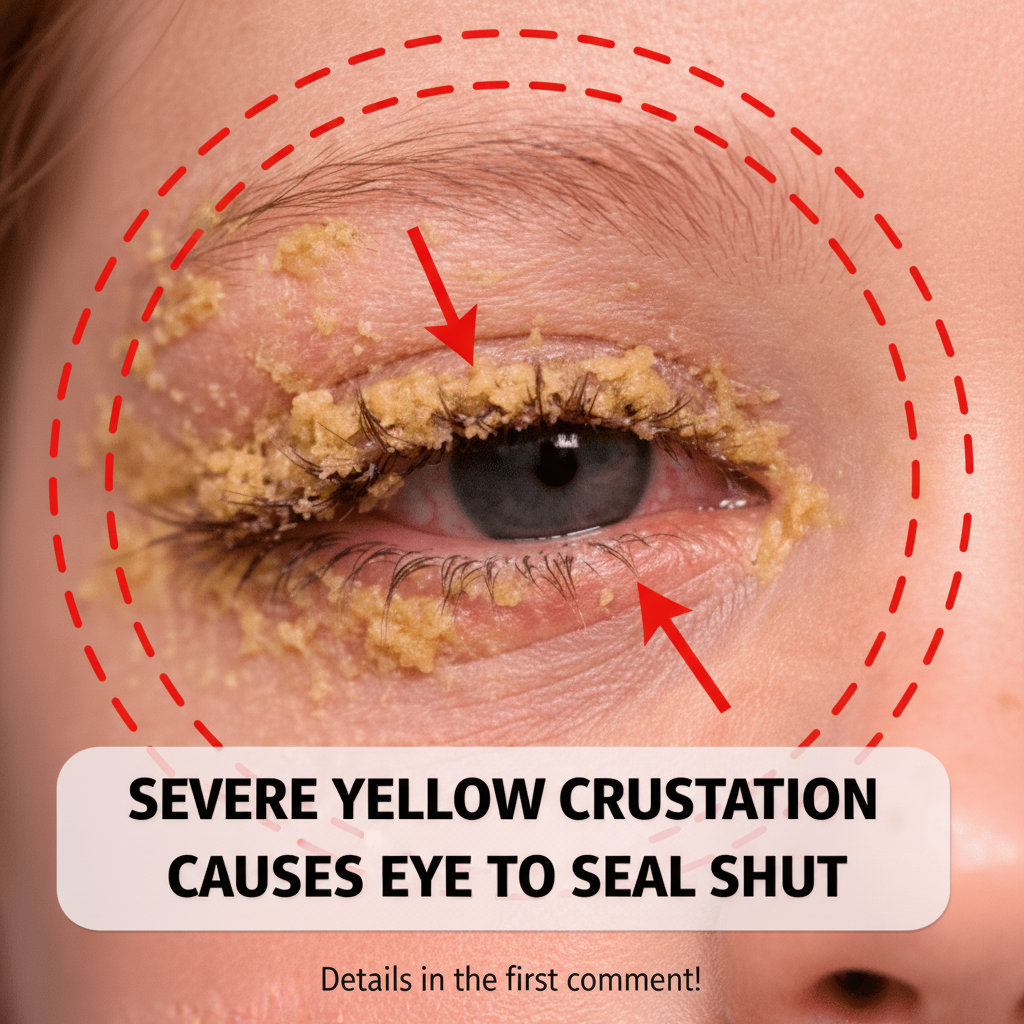
Cleaning your child’s eye should always be performed with utmost gentleness and strict hygiene. Here’s a simple, effective method widely recommended by pediatric experts:
Step-by-Step Eye Cleaning Method
- Wash Your Hands Thoroughly: Always start by washing your hands with soap and warm water to prevent transferring germs.
- Prepare a Warm Compress: Soak a clean cotton pad, gauze, or a soft, lint-free cloth in warm (not hot) water. Ensure it’s comfortably warm to the touch.
- Gentle Wipe: Gently wipe from the inner corner of your child’s eye (near the nose) outwards towards the ear. This direction helps to sweep discharge away from the tear duct opening.
- Use a Fresh Pad for Each Wipe: Crucially, use a new, clean cotton pad or section of cloth for every single wipe to avoid spreading any potential infection or reintroducing discharge.
- Remove Dried Discharge: Carefully clean away any dried crust or sticky residue from around the eyelid and lashes.
- Repeat as Needed: Continue this process gently until the eyelid can open comfortably and appears clean.
Using Warm Compresses to Soften Discharge
A warm compress can be particularly effective in softening dried mucus and making it easier to remove. Here’s how to apply it:
- Prepare a clean cloth with warm water as described above.
- Gently place the warm, damp cloth over your child’s closed eye for 1–2 minutes.
- Allow the crust and discharge to soften naturally from the warmth and moisture.
- After softening, gently wipe the discharge away using the method above.
Important: Never rub your child’s eye forcefully. The skin around a toddler’s eye is incredibly delicate, and rough cleaning can cause irritation or even injury.
Gentle Tear Duct Massage for Blocked Ducts
If a blocked tear duct is suspected as the cause of the sticky eye, pediatricians sometimes recommend a gentle tear duct massage. This technique aims to help clear the obstruction and encourage normal tear drainage.
How to Perform the Massage
- Clean Hands: Ensure your hands are thoroughly clean before starting.
- Position Your Finger: Place a clean index finger or thumb near the inner corner of your child’s eye, just above the side of the nose.
- Apply Light Pressure: Apply very light, gentle pressure in a downward motion, towards the side of the nose.
- Repeat: Perform this gentle massage several times a day, if advised by your pediatrician.
The primary goal of this massage is to encourage tears to flow properly through the duct. It’s vital never to apply strong pressure. If you are unsure about the correct technique, always ask your pediatrician to demonstrate it during a visit.
When to Contact a Healthcare Professional
While many instances of sticky eye discharge are mild and resolve with home care, certain symptoms warrant immediate medical evaluation. Contact your child’s doctor or a healthcare professional if your toddler exhibits any of the following:
- Significant or worsening redness in the eye or eyelid.
- Noticeable swelling around the eyelid.
- Fever accompanying the eye symptoms.
- Increased sensitivity to light (photophobia).
- Thick, green, or pus-like discharge.
- Symptoms that persist for more than a few days despite home care.
- Your child appears to be in pain or discomfort.
A doctor can accurately assess the eye, diagnose the underlying cause, and determine if medication or further treatment is necessary. Early evaluation ensures your child’s eye remains healthy and comfortable.
Final Thoughts on Managing Toddler Eye Discharge
Discovering your toddler’s eye crusted shut with yellow discharge can undoubtedly be a source of parental anxiety. However, in most cases, it stems from common, manageable issues like mild irritation, allergies, or a blocked tear duct. By practicing gentle cleaning with warm water, maintaining careful hygiene, and understanding when to seek professional medical advice, you can effectively manage this common childhood concern and ensure your little one’s comfort and eye health.