 By admin
 The Viral Toothpaste & Vaseline Skincare Hack: What Really Happens to Your Skin?
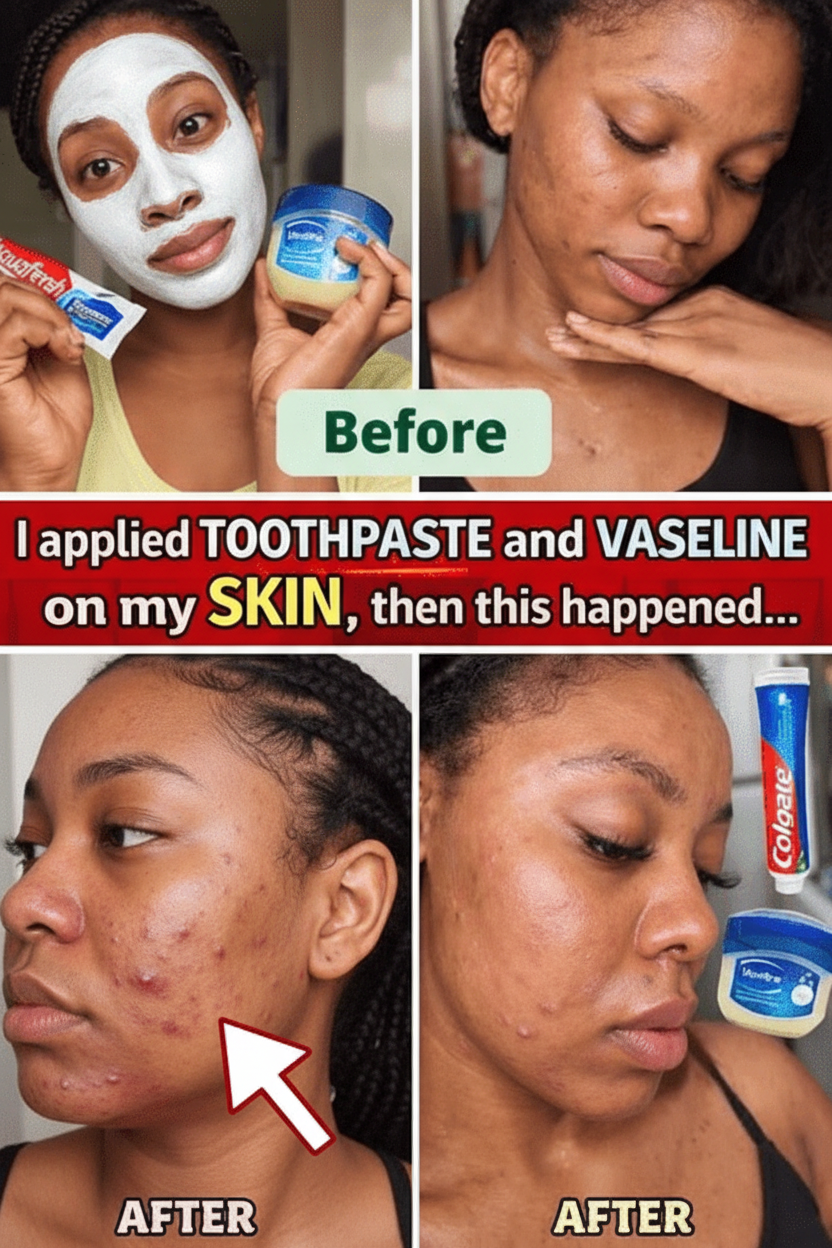
In a world brimming with social media skincare trends, the promise of a quick fix using household items can be incredibly tempting. From combating uneven skin tone to addressing sudden breakouts, many seek simple solutions for common complexion concerns. Among the most talked-about DIY remedies is the application of toothpaste and petroleum jelly (like Vaseline) to the face, often touted as a miracle mask for smoother, clearer skin. But before you jump on this viral bandwagon, it’s crucial to understand the actual science behind your skin’s health. The truth about this popular hack might just revolutionize your approach to skincare.
Why Viral Skincare Hacks Explode on Social Media
The internet thrives on dramatic transformations. When a post claims that two everyday, affordable items can deliver glowing skin overnight, it naturally captures widespread attention. The allure is undeniable: both toothpaste and petroleum jelly are readily available and inexpensive, making them seem like the perfect ingredients for a fuss-free, at-home treatment. This perceived ease and accessibility fuel the rapid spread of such trends. However, many viral posts often rely on:
- Fleeting Visual Changes: Often enhanced by specific lighting or camera filters.
- Temporary Sensations: Such as a cooling effect or a feeling of tightness.
- Personal Anecdotes: Lacking robust scientific validation or dermatological backing.
Leading dermatology organizations consistently emphasize that genuine skin health is a complex interplay of factors like proper hydration, a strong skin barrier, and consistent, appropriate care – not a single, overnight trick from your medicine cabinet.
Unpacking Toothpaste’s Effect on Your Face
It’s essential to remember that toothpaste is specifically formulated for dental hygiene, not delicate facial skin. While some individuals might apply it to blemishes hoping for a drying effect, most modern skincare experts strongly advise against this practice.
Ingredients That Can Cause Short-Lived Effects
Certain components in toothpaste can indeed produce temporary sensations or visual changes:
- Baking Soda: May temporarily absorb surface oil.
- Menthol or Mint: Creates a cooling, tingling sensation.
- Hydrogen Peroxide: Can offer a transient brightening appearance.
- Whitening Agents: Might induce a feeling of skin tightening upon contact.
These effects can create an illusion of clearer or smoother skin, but they do not contribute to long-term skin balance or health. In fact, the opposite is often true.
The Real Dangers: Disrupting Your Skin Barrier
Here’s the critical insight: toothpaste can significantly disrupt your skin’s natural pH and compromise its protective barrier. Dermatological studies and expert opinions indicate that the harsh, abrasive ingredients found in many toothpastes can lead to:
- Excessive Dryness: Stripping natural oils.
- Redness and Irritation: Inflammatory responses.
- Increased Sensitivity: Making skin more reactive.
- Flaking or Peeling: Damage to the outer skin layers.
Your facial skin is considerably more delicate than tooth enamel. What is safe and effective in your mouth is rarely appropriate for your face.
Petroleum Jelly (Vaseline): A Nuanced Skincare Ally
Petroleum jelly, commonly known by brand names like Vaseline, has been a staple in skincare for decades and is extensively researched. Its role in skincare is far more nuanced.
Recognized Benefits of Petroleum Jelly
Dermatology guidelines frequently endorse petroleum jelly as an effective occlusive moisturizer. This means it forms a protective barrier on the skin’s surface, effectively sealing in moisture. Common beneficial uses include:
- Locking in Hydration: Especially beneficial for very dry skin areas.
- Protecting Minor Irritations: Creating a barrier over small cuts or scrapes.
- Softening Rough Patches: Ideal for elbows, knees, or chapped lips.
- Supporting Skin Barrier Recovery: Particularly helpful in dry or harsh climates.
Many dermatologists recommend applying it over a humectant moisturizer to significantly reduce transepidermal water loss.
When Petroleum Jelly Might Be Too Much
Despite its benefits, petroleum jelly isn’t suitable for everyone or every skin type. Individuals with oily or blemish-prone skin, for instance, might find it:
- Too Heavy for Daily Facial Use: Leading to a greasy feeling.
- Prone to Trapping Impurities: If skin isn’t thoroughly cleansed, it can seal in sweat or debris.
- Uncomfortable in Humid Environments: Potentially feeling suffocating on the skin.
This doesn’t imply petroleum jelly is inherently harmful, but it underscores the importance of selecting skincare products that align with your individual skin’s needs and environment.
The Unfavorable Combination: Toothpaste and Vaseline
This is where the viral trend becomes problematic. Mixing toothpaste with petroleum jelly creates a concoction that combines harsh, drying ingredients with a powerful occlusive layer. This combination has the potential to trap irritating components directly against your skin, exacerbating damage rather than healing it.
Reported Short-Term Effects (and Why They’re Misleading)
Some users might report immediate sensations such as:
- A temporary tightening sensation.
- A slight reduction in visible oil.
- A smoother feel immediately after rinsing.
However, these fleeting results are often overshadowed by significant downsides.
The Risks Outweigh the Rewards: Expert Consensus
Dermatologists and skincare experts consistently highlight the potential drawbacks of this combination:
- Increased Redness and Sensitivity: Due to the irritating nature of toothpaste ingredients.
- Disrupted Moisture Balance: Leading to compromised skin barrier function.
- Peeling or Excessive Dryness: As the skin reacts to harsh chemicals.
- Temporary, Non-Lasting Results: Any perceived benefits are short-lived and do not contribute to long-term skin health.
Crucially, because petroleum jelly acts as a strong seal, it effectively holds *whatever is underneath* close to the skin – including the potentially damaging ingredients from toothpaste. This can intensify irritation and prolong exposure to harmful substances.
Embrace Science-Backed Skincare
While the allure of a quick, cheap fix is powerful, applying toothpaste and Vaseline to your face is a skincare trend best avoided. Instead of risking irritation and damage to your delicate skin barrier, prioritize evidence-based skincare practices. Consult with a dermatologist for personalized advice, and opt for products specifically formulated for facial use to achieve lasting, healthy skin.