 By admin
 The Viral Toothpaste and Vaseline Skincare Hack: Separating Fact from Fiction for Healthy Skin
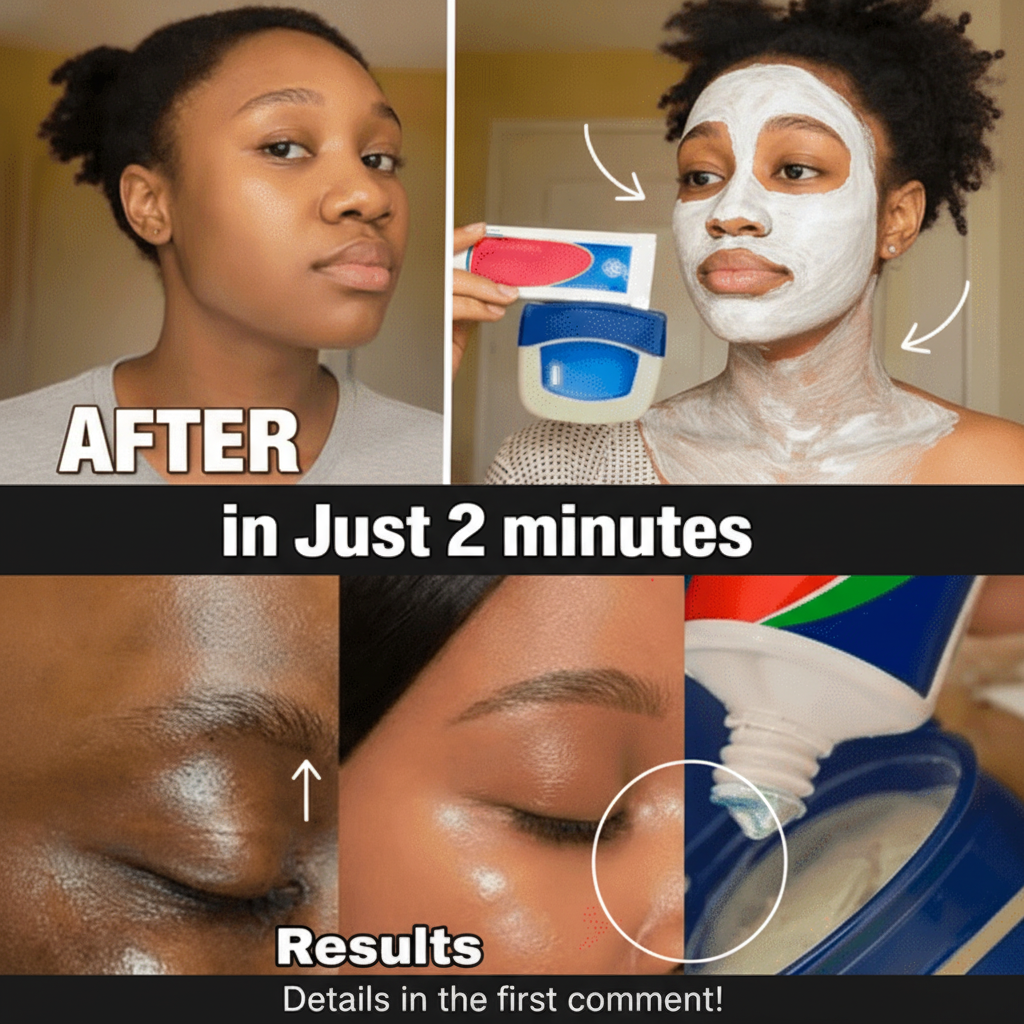
Waking up to discover dullness, blemishes, or uneven texture on your skin can be disheartening, often making you feel self-conscious, especially with important events on the horizon. In moments like these, the allure of a quick fix is strong. This is precisely why a viral skincare hack—mixing toothpaste with petroleum jelly—has captured widespread attention, particularly across regions like Mexico and Latin America, promising overnight skin transformations. Before you consider trying this popular remedy, it’s crucial to understand the science behind it and the potential consequences. This comprehensive guide will dissect the claims, examine what each ingredient truly does, and ultimately reveal dermatologist-approved methods for achieving truly healthier skin at home.
Why This Viral Skincare Trend Gained Popularity
Social media platforms have become fertile ground for the rapid spread of beauty hacks, and the combination of toothpaste and petroleum jelly stands out as a particularly widely discussed example. Enthusiasts often tout its benefits for:
- Achieving smoother skin texture
- Minimizing the visibility of imperfections and blemishes
- Enhancing radiance in lackluster areas
- Imparting a transient, healthy glow
However, the intriguing aspect of this trend lies in the fundamental disparity between the two components. Toothpaste, formulated specifically for oral hygiene, contains potent agents like menthol, baking soda, and various whitening compounds. These ingredients, while effective for teeth, can be excessively harsh for the sensitive skin on your face. In stark contrast, petroleum jelly is a well-established skincare staple, celebrated for its ability to form an occlusive layer that locks in moisture and protects the skin barrier. This inherent conflict in their intended uses and properties is precisely what fueled the controversy around this mixture, with some users reporting fleeting positive results, while others experienced adverse reactions like irritation. This brings us to a crucial discussion about what each ingredient truly does to your skin.
A Closer Look at Each Ingredient’s Impact on Skin
To fully grasp the potential advantages and disadvantages of this viral hack, it’s essential to examine how petroleum jelly and toothpaste interact with your skin individually.
Petroleum Jelly (Vaseline)
With over a century of use in skincare, petroleum jelly is a venerable ingredient. Extensive dermatological research confirms its efficacy in safeguarding the skin’s natural barrier and effectively sealing in moisture. Its notable benefits often include:
- Significantly alleviating dry skin conditions
- Offering protection for minor skin abrasions or irritations
- Acting as an effective barrier against trans-epidermal water loss
- Contributing to a visibly smoother and softer skin texture
Given these properties, it’s frequently endorsed by dermatologists for intensely dry areas such as the elbows, lips, and heels, where robust moisture retention is paramount.
Toothpaste
Conversely, toothpaste is specifically engineered with powerful cleansing and antibacterial agents tailored for oral health. Common active components found in toothpaste typically include:
- Fluoride
- Baking soda
- Menthol
- Peroxide or other potent whitening compounds
While these substances are highly effective for maintaining dental hygiene, their direct application to delicate facial skin can lead to adverse reactions, including excessive dryness, redness, and significant irritation. The critical insight here is clear: combining these two ingredients does not magically transform them into a benign or effective skincare solution. There’s a deeper explanation for why some people perceive positive results.
Understanding the Perceived Effectiveness: The Illusion of Improvement
When individuals experiment with the toothpaste and Vaseline mixture, they occasionally observe a fleeting enhancement in their skin’s appearance. This temporary effect can be attributed to a couple of factors:
- Moisture Occlusion: Petroleum jelly’s primary function is to create an occlusive barrier on the skin’s surface, effectively locking in moisture. This immediate hydration can temporarily plump the outer layer of the skin, lending it a smoother and more luminous look.
- Mild Exfoliation: Certain ingredients in toothpaste, such as baking soda, possess abrasive qualities that can provide a very mild, superficial exfoliation of the skin’s outermost layer.
Combined, these actions might create the deceptive impression of brighter, more refined skin. However, it’s crucial to heed a significant caution: any perceived improvement is typically short-lived and superficial. Continuous or repeated application of this concoction significantly increases the risk of developing chronic dryness, heightened sensitivity, or persistent irritation. Dermatological studies consistently underscore the fragility of the skin barrier, a vulnerability that becomes even more pronounced in individuals over the age of 50, as skin naturally thins and loses moisture more readily. This makes the hack particularly ill-advised for mature skin.
Dermatologist-Approved Alternatives for Healthy, Radiant Skin
Rather than resorting to harsh and potentially damaging viral hacks, countless gentle and effective practices can genuinely support a healthy, glowing complexion. Leading skincare experts consistently recommend incorporating these practical alternatives into your routine:
Establish a Gentle Daily Skincare Regimen
- Cleanse Twice Daily: Use a mild, pH-balanced facial cleanser morning and night to remove impurities without stripping natural oils.
- Hydrate Effectively: Apply a high-quality, non-comedogenic moisturizer to slightly damp skin immediately after cleansing to lock in hydration.
- Prioritize Sun Protection: Consistently use a broad-spectrum sunscreen with an SPF of 30 or higher every morning, even on overcast days, to shield your skin from harmful UV radiation.
Adhering to these three fundamental habits alone can lead to significant and lasting improvements in your skin’s overall appearance and health over time.
Explore Gentle, Kitchen-Friendly Remedies
For those interested in natural approaches, several traditional home remedies offer soothing and hydrating benefits without the risks associated with toothpaste:
- Oatmeal Masks: Known for their anti-inflammatory properties, colloidal oatmeal masks can effectively soothe dry, irritated, or sensitive skin.
- Aloe Vera Gel: Pure aloe vera gel is celebrated for its calming and healing effects, making it excellent for soothing minor irritations or sunburn.
- Honey Masks: Raw honey acts as a natural humectant and possesses antibacterial properties, providing gentle moisture and promoting a healthy skin barrier.
Unlike harsh chemical compounds, these natural ingredients have been extensively studied for their beneficial, calming attributes and are considerably gentler and safer for facial application than toothpaste.
Quick Comparison: Safe vs. Risky Skincare Ingredients
| Ingredient | Typical Skin Effect | Safety Level for Face |
|---|---|---|
| Petroleum Jelly | Locks in moisture, protects barrier | Generally safe, especially for dry areas |
| Toothpaste | Drying, irritating, abrasive cleansing | High risk of irritation, not recommended |
| Aloe Vera | Soothing, hydrating, anti-inflammatory | Very gentle and beneficial |
| Oatmeal | Calms irritation, reduces redness, moisturizes | Gentle and soothing |
| Honey | Gentle humectant, antibacterial, mild exfoliant | Safe and beneficial for most skin types |