 By admin
 The Viral Minty Foot Hack: Separating Fact from Fiction for Tired Feet
After a demanding day, weary and rough feet can be a source of significant discomfort and even self-consciousness. Issues like cracked heels catching on socks or causing pain with every step are all too common. In the quest for quick relief, many have encountered a viral sensation on social media: the ‘minty foot hack.’ This trend suggests applying Colgate toothpaste to the soles before bed, wrapping them, and waking up to supposedly softer, fresher feet.
While the promise of an effortless overnight transformation is undeniably appealing, a critical question arises: Is this popular DIY foot treatment backed by scientific evidence, or is it merely a fleeting internet fad? This comprehensive guide will delve into the actual effects of trying the minty foot hack, explore the temporary sensations it creates, and ultimately reveal why established, safer foot care practices generally offer superior, lasting comfort for your feet.
What Exactly Is the Viral Minty Foot Hack?
At its core, this widely discussed social media sensation involves a straightforward, albeit unconventional, method: generously applying a layer of mint-flavored toothpaste – with Colgate toothpaste being the most frequently cited brand – directly onto the soles and heels of your feet before sleep. Proponents of this DIY foot treatment typically recommend the following steps:
- Thoroughly spread the toothpaste across the entire sole and especially on rough areas like the heels.
- Cover the treated feet, either by wrapping them in plastic wrap or by simply wearing socks.
- Allow the toothpaste to remain on the feet overnight while you sleep.
- Rinse off the residue thoroughly with water the following morning.
Many individuals who try this method report experiencing smoother skin, reduced foot odor, or an overall refreshed sensation upon waking. However, to truly understand its perceived effectiveness, we need to examine the underlying mechanisms, or lack thereof, more closely.
Why Does Toothpaste Induce That Cooling Sensation?
The primary ingredient responsible for the characteristic cool, tingling sensation is menthol, a natural compound found in mint and a common additive in most Colgate toothpaste varieties. When menthol comes into contact with your skin, it specifically activates the TRPM8 receptors. These are the very same receptors that normally respond to cold temperatures.
Consequently, your nervous system is ‘tricked’ into perceiving a ‘cold’ signal, delivering an immediate, refreshing tingle to your brain, even though your skin’s actual temperature hasn’t decreased. Additionally, other components commonly found in toothpaste, such as mild abrasives or foaming agents, might contribute to a temporary tightening or smoothing feel on rough skin areas. It’s crucial to remember, however, that these ingredients are specifically formulated and rigorously tested for oral hygiene, not for prolonged application on the skin.
Can the Minty Foot Hack Truly Soften Cracked Heels?
When it comes to addressing deeply dry or cracked heels, the simple answer is that toothpaste offers, at best, extremely limited and temporary benefits. Toothpaste is fundamentally devoid of the potent, deep-hydrating and skin-repairing compounds essential for achieving long-term improvement in severely dry or fissured skin.
While a handful of users might report a minor, fleeting smoothing effect – potentially attributable to mild surface exfoliation or the occlusive (moisture-trapping) effect of covering the feet with socks or plastic wrap – this perceived change is seldom sustainable. Leading dermatology experts consistently highlight that truly effective foot care for cracked heels necessitates ingredients specifically designed for skin repair and hydration, such as:
- Urea: Known for its ability to soften thickened skin while simultaneously attracting and binding moisture.
- Lactic acid or Salicylic acid: Gentle yet effective exfoliants that help remove dead skin cells.
- Glycerin and Shea Butter: Powerful humectants and emollients that provide significant hydration.
- Petroleum Jelly: An excellent occlusive agent that seals in existing moisture and promotes healing.
Plain toothpaste simply cannot deliver this comprehensive and balanced support. Relying solely on this hack will not tackle the root causes of underlying dryness and damage that lead to cracked heels.
Does the Toothpaste Hack Help Reduce Foot Odor?
The minty foot hack might offer a very short-term, superficial improvement in foot odor. The strong minty fragrance of the toothpaste, combined with some of its mild antibacterial components, can temporarily mask unpleasant smells or briefly inhibit odor-causing bacteria on the skin’s surface. However, this effect is fleeting; as soon as the toothpaste is rinsed away, the benefit rapidly dissipates.
For truly consistent and effective odor management, it’s far more beneficial to adopt proven hygienic practices:
- Wash your feet thoroughly with soap daily and ensure they are completely dry, paying special attention between the toes.
- Opt for breathable socks made from natural fibers and well-ventilated footwear to minimize moisture buildup.
- Regularly use antifungal or moisture-absorbing powders designed for feet.
- Exfoliate your feet regularly to remove dead skin cells, which can otherwise become a breeding ground for bacteria.
Can Toothpaste Lighten Dark Spots or Effectively Remove Dead Skin?
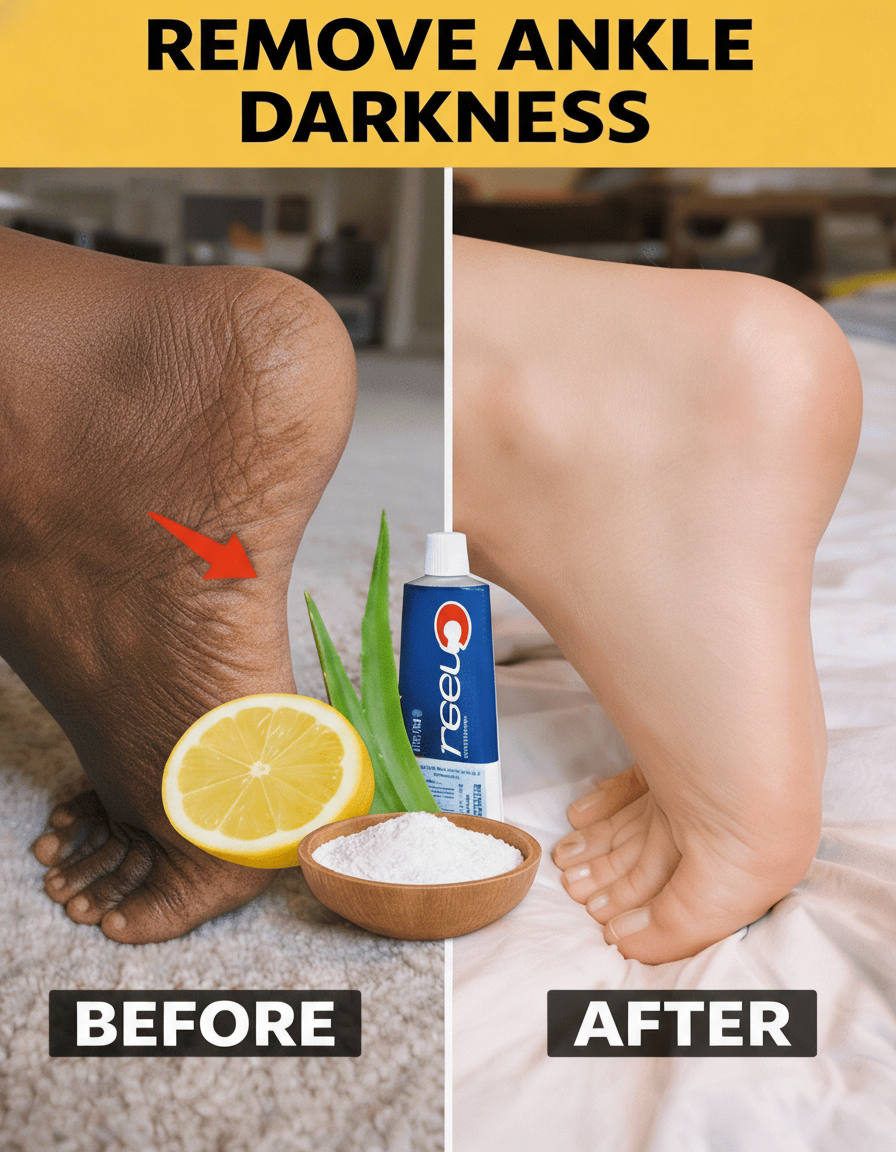
Claims that Colgate toothpaste can lighten dark spots or effectively remove significant amounts of dead skin from your feet are largely unsubstantiated and lack scientific backing. While certain toothpastes may contain ingredients like hydrogen peroxide or baking soda, which could have extremely mild, superficial effects on the skin’s surface, these components are neither formulated nor safely intended for treating skin pigmentation issues or regular exfoliation on the feet.
Excessive or prolonged application could, in fact, lead to irritation, dryness, or even exacerbate existing discoloration. Far more effective and safer strategies for addressing dark spots or managing dead skin involve a consistent regimen of moisturizing, gentle exfoliation with appropriate products, and adequate sun protection for exposed feet – always prioritizing dermatology-tested, skin-friendly solutions.
Potential Downsides and Risks of the Minty Foot Hack
Despite the skin on your feet being thicker than on other parts of your body, it’s crucial to remember that toothpaste is specifically formulated for oral use and has not been dermatologically tested or approved for application on skin. Many common ingredients found in toothpaste, such as sodium lauryl sulfate (SLS), strong artificial flavorings, or potent whitening agents, can potentially trigger adverse reactions, including:
- Redness, irritation, or excessive dryness
- Peeling or a feeling of tightness in the skin
- Unpleasant burning or stinging sensations
- Allergic reactions, particularly in individuals with sensitive skin
Furthermore, if you suffer from pre-existing conditions like diabetes, poor circulation, eczema, or have open wounds or severe cracks on your feet, it is particularly ill-advised to experiment with such unconventional remedies. In these vulnerable situations, skin irritation could escalate into more serious complications or infections, underscoring the importance of professional medical or dermatological advice for foot care.
However, despite these potential risks, an interesting phenomenon persists: many individuals who try this hack still claim to experience smoother or refreshed feet. Let’s explore why this perception might exist.
Why Do Some People Believe the Minty Foot Hack “Works”?
The perceived benefits and reported improvements from the minty foot hack often stem from factors entirely unrelated to the therapeutic properties of the toothpaste itself. Instead, these temporary sensations and observations are more likely due to:
- Sensory Distraction: The intense cooling sensation delivered by menthol can effectively distract from feelings of fatigue or discomfort, providing an immediate, albeit superficial, sense of refreshment.
- Temporary Tightening: Some drying agents present in toothpaste might create a transient taut feeling on rough or calloused areas, which can be mistakenly interpreted as smoothing.
- Accidental Occlusion: The act of covering the feet overnight with plastic wrap or socks inadvertently creates an occlusive barrier. This process traps the skin’s natural moisture, functioning much like an impromptu hydration mask.
Essentially, the “heavy lifting” in terms of any perceived softening or hydration is predominantly performed by the occlusion effect – sealing in moisture – rather than any inherent skin-benefiting qualities of the toothpaste. For genuine and lasting relief for your tired feet and for effective management of conditions like cracked heels, it’s always best to turn to dermatologist-recommended, proven foot care solutions.