 By admin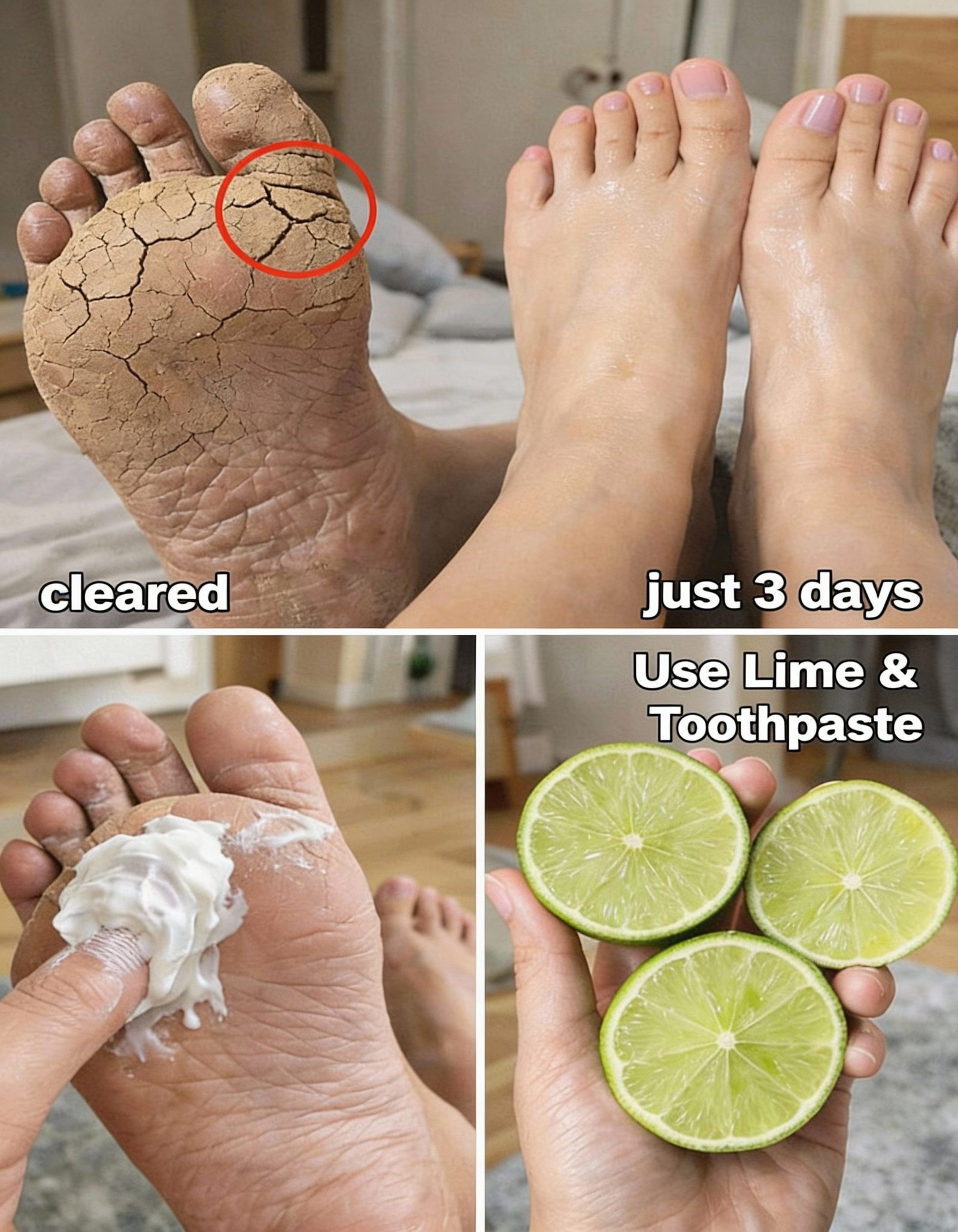
Millions of people search every year for quick fixes to fade dark knuckles, uneven hand tone, or rough texture that can make hands look older or less confident. Social media trends promise fast results with a simple DIY paste of toothpaste, lemon juice, and baking soda, often applied as a scrub for brighter skin. Yet many who try it end up with redness, stinging, dryness, or even worse darkening over time. Dermatologists frequently caution against these mixtures because they can disrupt the skin’s natural balance and lead to irritation rather than improvement. In this article, we’ll break down the science behind this popular hack, the real risks involved, and gentler, evidence-based ways to achieve smoother, more even-toned hands that actually work without the regret.

The Common Struggle: Why Dark Knuckles and Uneven Hand Tone Affect So Many
Dark knuckles and patchy hand skin often appear gradually, especially after age 30, due to factors like repeated friction from daily activities, sun exposure without protection, dryness, or overproduction of melanin (the pigment that colors skin). Hyperpigmentation on hands can stem from genetics, certain medications, vitamin deficiencies (like B12), or underlying conditions such as insulin resistance. These changes aren’t just cosmetic—they can chip away at self-confidence when hands feel less smooth or polished than the rest of your skin. Frustratingly, viral “quick fixes” from TikTok or Instagram tempt people with promises of instant brightening, but they often ignore how delicate hand skin really is.
But here’s the key: Understanding what causes these issues—and why harsh hacks backfire—opens the door to safer, lasting improvements. Stick with me as we uncover the truth.

Breaking Down the Viral Recipe: What’s Actually in This Mix?
The trending method typically involves squeezing fresh lemon juice, mixing in a dollop of toothpaste (often whitening varieties), and adding baking soda to create a gritty paste. You apply it to knuckles or hands, scrub or leave it on for 15-20 minutes, then rinse. The idea is that lemon’s citric acid lightens, baking soda exfoliates dead skin, and toothpaste’s abrasives polish for a brighter look.
However, this combination raises red flags among skin experts. Toothpaste is formulated for tooth enamel, not facial or hand skin—its ingredients like fluoride, mint, or foaming agents (SLS) can irritate. Lemon is highly acidic (pH around 2), while baking soda is alkaline (pH 9), creating a harsh pH swing far from skin’s natural range of about 4.5-5.5. Studies and dermatologist reports show such mismatches disrupt the skin barrier, leading to problems instead of solutions.
But that’s not the full picture—let’s look at the specific dangers.

Risk 1: Severe Irritation and Potential Chemical Burns
The extreme acidity from lemon combined with abrasive baking soda and toothpaste particles can erode the skin’s protective layer. This often results in immediate stinging, redness, peeling, or even mild chemical burns, especially on thinner hand skin. Dermatologists note that lemon increases photosensitivity, making skin more prone to sun damage right after use. Research highlights how low-pH acids like citric can weaken the barrier, causing inflammation that feels like “stinging regret.”
If you have sensitive skin, this risk jumps higher—many report waking up with inflamed, tender hands.
Risk 2: Worsening Hyperpigmentation and Rebound Darkening
Ironically, the hack meant to lighten can trigger more darkness. Irritation sparks post-inflammatory hyperpigmentation, where skin produces extra melanin as a defense. In people with medium to deeper tones, this rebound effect is common, leading to spots that multiply or darken over time. There’s no solid evidence this mix fades pigmentation effectively—in fact, experts warn it often makes uneven tone worse long-term.
Sunscreen becomes even more crucial here to block UV rays that fuel melanin production.
Risk 3: Dryness, Peeling, and Long-Term Barrier Damage
The abrasive texture strips natural oils, while pH disruption dries out skin further. Toothpaste ingredients and baking soda’s grit can leave hands feeling tight, flaky, or rougher than before. Over time, repeated use compromises the skin microbiome, making hands more vulnerable to environmental stressors.
Many who try it describe “flaky, tight” results that reverse any progress from basic moisturizing.
Risk 4: Allergic Reactions or Contact Dermatitis
Ingredients like mint, fluoride, or preservatives in toothpaste can spark allergic responses—rashes, swelling, or burning in sensitive individuals. Reports from users and skin pros describe unexpected reactions that force them to stop entirely.
These four risks highlight why dermatologists urge caution with viral trends.

Why Viral Hacks Fall Short: The Science Behind the Warnings
Skin on hands is thinner and more exposed than facial skin, yet people treat it harshly. Baking soda disrupts pH and microbiome balance, lemon causes phytophotodermatitis (sun-induced burns), and toothpaste’s abrasives are too rough for delicate areas. Medical consensus from sources like Healthline and dermatology experts emphasizes that irritation often outweighs any short-term smoothing, with no proven whitening benefits.
The insider tip? Always patch test new ingredients on a small area first.
Safer Alternatives: Evidence-Based Options That Actually Help
Fortunately, gentler approaches exist that target hyperpigmentation without the damage.
Here are some dermatologist-recommended ingredients:
- Niacinamide (vitamin B3): Evens tone, strengthens barrier, reduces inflammation—widely studied for safe brightening.
- Vitamin C (stable forms like ascorbic acid derivatives): Acts as an antioxidant to fade spots gradually.
- Gentle acids (lactic or glycolic): Mild exfoliation removes buildup without harsh abrasion.
- Soy or licorice root extracts: Natural inhibitors of melanin production.
- Moisturizers with urea or ceramides: Restore hydration and repair barrier.
| Viral Mix Risks | Safer Alternatives | Why They’re Better |
|---|---|---|
| Irritation/Burns | Niacinamide or vitamin C serums | pH-balanced, clinically tested, non-irritating |
| Worsening Pigmentation | Daily broad-spectrum SPF 30+ on hands | Prevents UV-triggered melanin surge |
| Dryness & Peeling | Urea or ceramide-rich creams | Deeply hydrates and repairs barrier |
| Abrasion | Mild lactic acid exfoliants | Controlled renewal without grit |
These options promote gradual, sustainable improvement.
Building a Safe Hand Care Routine: Step-by-Step
Consistency beats quick fixes every time. Try this simple routine:
- Cleanse gently — Use a mild, fragrance-free hand wash to avoid stripping oils.
- Exfoliate weekly — Apply a gentle AHA like lactic acid (start low concentration) for 5-10 minutes, then rinse.
- Treat targeted areas — Apply a serum with niacinamide or vitamin C to knuckles and hands nightly.
- Moisturize deeply — Lock in hydration with a thick cream containing urea, ceramides, or shea butter.
- Protect daily — Finish with broad-spectrum SPF 30+ hand cream—reapply after washing.
Expect hydration boosts in 1-2 weeks, visible fading in 1 month, and even tone in 3+ months with steady use. Patience is the real game-changer.
When to See a Professional
If dark knuckles persist or worsen, consult a dermatologist. They can check for underlying issues (like vitamin deficiencies or conditions) and suggest prescription options such as targeted creams or procedures if needed.
Mid-Routine Reflection
Pause here: How has your view on hand care shifted? What’s your biggest takeaway from the risks vs. safer paths?
Conclusion: Choose Kindness for Your Skin
Imagine smoother, more even-toned hands in the coming months—achieved through gentle, informed care rather than risky shortcuts. True skin confidence comes from protecting and nourishing, not punishing. Start with one small swap today, like adding SPF or a niacinamide product, and share this with anyone tempted by viral hacks.
FAQ
Is the toothpaste, lemon, and baking soda mix safe for hands?
No—dermatologists warn it often causes irritation, dryness, or worsening pigmentation due to pH imbalance and abrasiveness. Safer options exist.
What causes dark knuckles on hands?
Common triggers include friction, sun exposure, dryness, genetics, vitamin deficiencies (e.g., B12), or certain health conditions—always rule out underlying issues with a doctor.
How can I safely brighten dark hands at home?
Focus on hydration, sun protection, and gentle ingredients like niacinamide or vitamin C; exfoliate mildly and be consistent for best results.
This article is for informational purposes only and does not replace professional medical advice. Avoid using harsh DIY mixtures like toothpaste, lemon, and baking soda on skin, as they can cause irritation, burns, or worsening pigmentation—consult a dermatologist or healthcare provider for personalized guidance.