 By admin
 What is neem and why is it special?
Originating from the Indian subcontinent, the neem tree holds a significant place in traditional medicine, particularly across South Asia. For countless centuries, its leaves, bark, and oil have been highly esteemed for their inherent natural properties.
Often hailed as a “green remedy,” neem is celebrated for its extensive array of uses, offering numerous applications for both personal well-being and practical household purposes.
Health-related benefits of neem leaves
Neem leaves are packed with beneficial natural compounds, which are believed to contribute positively to overall health and well-being.
1. Immune system support
The antioxidants found in neem may play a role in bolstering the body’s natural defenses, helping it to combat the effects of environmental stressors.
2. Digestive support
Historically, neem has been incorporated into diets in modest quantities, traditionally believed to aid in maintaining healthy digestive function.
3. Natural cleansing properties
Many cultures link neem with beneficial detoxifying and purifying actions within the body, though it’s important to note that scientific research on these specific effects can present varied findings.
Neem for Skincare Benefits
Neem is a popular ingredient in skincare formulations, valued for its naturally soothing and protective qualities that benefit the complexion.
1. Helps with acne-prone skin
The inherent antibacterial properties of neem can be instrumental in minimizing skin breakouts and promoting a clearer, healthier-looking complexion.
2. Soothes irritation
Applying neem can help to alleviate redness and soothe minor irritations, providing comfort to sensitive skin.
3. Supports skin balance
Neem has the ability to assist in regulating excessive oil production, thereby enhancing the overall balance and appearance of the skin.
Uses for hair care
Neem is also a valuable addition to many hair care regimens, offering several advantages:
-
Contributes to maintaining a healthy and well-balanced scalp environment.
-
Potentially helps in reducing the occurrence of dandruff flakes.
-
Aids in promoting the appearance of stronger and more resilient hair strands.
For these benefits, it’s common practice to apply neem oil or water infused with neem directly onto the scalp.
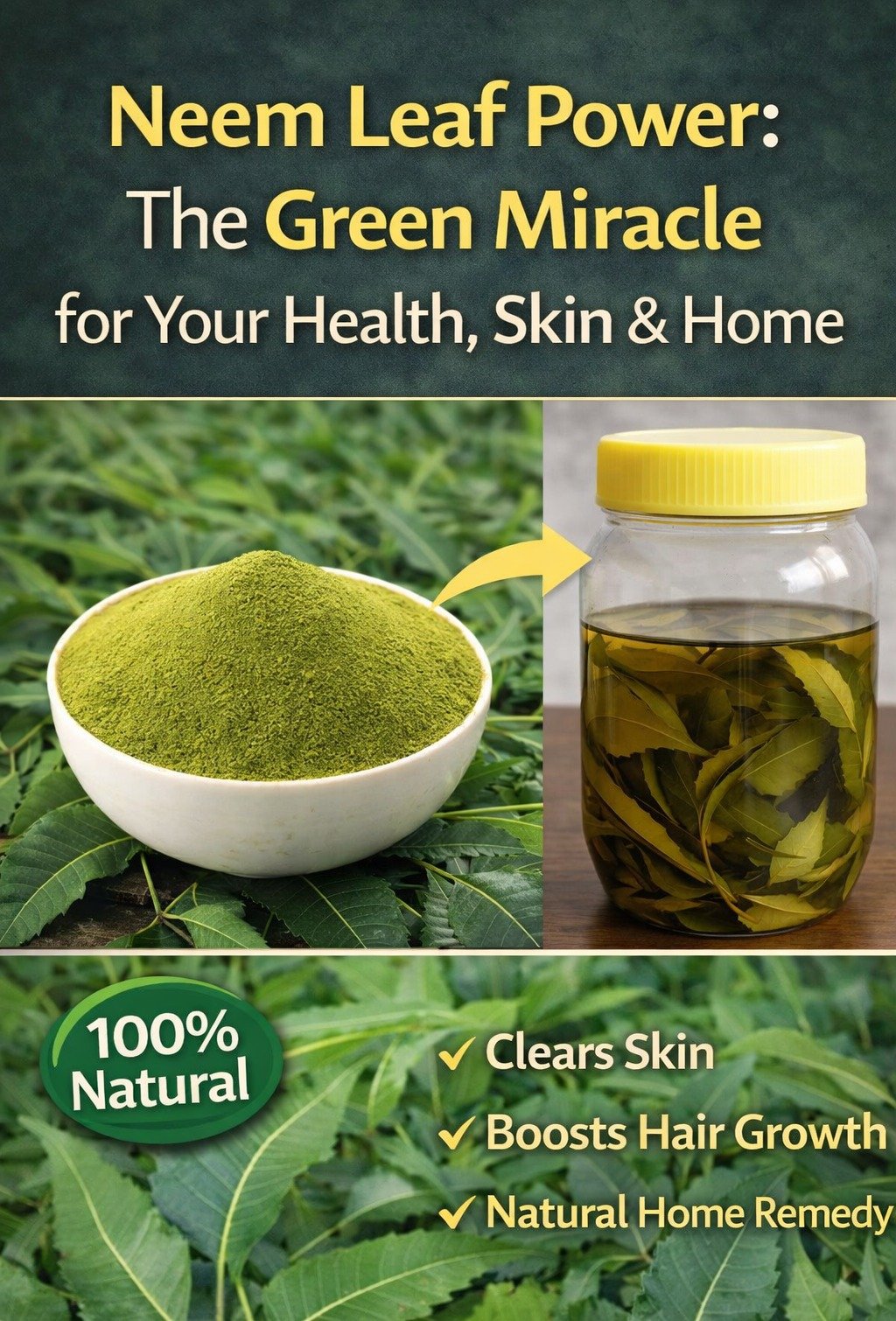
Household uses of neem
Beyond its applications in personal wellness, neem also offers practical utility around the house:
-
Functions as a natural deterrent against various insects.
-
Provides assistance in safeguarding garden plants from common pests.
-
Serves as an ingredient in environmentally friendly cleaning formulations.
The distinctive, potent aroma of neem is particularly effective at discouraging specific types of insects.
How to use neem safely
Neem can be incorporated into your routine through various preparations:
-
As a tea, consumed sparingly and in carefully measured quantities.
-
In the form of neem oil, strictly for topical application.
-
As water infused with neem, suitable for rinses or washes.
It is crucial to always practice moderation and adhere strictly to any suggested usage guidelines when using neem products.
Important precautions
-
Refrain from consuming neem in overly large quantities.
-
Pregnant individuals should avoid using neem unless specifically advised and monitored by a healthcare professional.
-
Always conduct a small patch test on the skin prior to widespread topical application to check for any adverse reactions.
-
Seek guidance from a qualified health professional before considering any internal consumption of neem.
A versatile natural solution
Neem leaves truly present a remarkable spectrum of potential advantages, encompassing everything from bolstering personal health and enhancing skincare routines to assisting with various household requirements. Although it should not be considered a miraculous panacea, this time-honored traditional remedy continues to be a highly favored natural choice for individuals who are actively searching for straightforward, plant-derived solutions for their well-being and daily living.