 By admin
 While the sweet and digestive benefits of papaya fruit are widely recognized, many remain unaware of the profound wellness potential residing in other parts of the plant, particularly its delicate blossoms. In an era marked by constant stressors, environmental challenges, and fluctuating energy, the quest for natural wellness solutions can often feel daunting. Daily life inevitably leads to oxidative stress, a silent contributor to fatigue, periodic discomfort, and a general feeling of imbalance. What if the unassuming papaya flowers harbor a more concentrated array of beneficial compounds, capable of complementing or even surpassing the health support offered by the fruit itself? Both historical wisdom and modern scientific inquiry hint that papaya flowers could provide distinctive wellness advantages worthy of closer examination. Read on to discover how these remarkable blooms are traditionally utilized and why their potential for enhanced support might just surprise you.
What Makes Papaya Flowers Stand Out?
Derived from the Carica papaya plant, papaya flowers are frequently overlooked, yet growing scientific and traditional interest emphasizes their rich phytochemical composition. These exquisite blossoms are packed with potent compounds, including well-known flavonoids such as quercetin and rutin, alongside diverse phenolics, alkaloids, saponins, tannins, gallic acid, kaempferol, and beta-carotene. Research across various parts of the papaya plant consistently demonstrates that these constituents are instrumental in their antioxidant capabilities, effectively counteracting free radicals that drive oxidative stress. Specifically, studies have shown that extracts from papaya flowers exhibit impressive DPPH scavenging and FRAP activity – key indicators of their robust antioxidant power. But the story doesn’t end there…
Papaya Flowers vs. Papaya Fruit: A Quick Comparison
While the universally acclaimed papaya fruit is celebrated for its abundant vitamin C, digestive enzyme papain, and beneficial lycopene, the papaya flowers seem to offer a distinct concentration of specific antioxidants and other bioactive compounds. Let’s examine their unique profiles side-by-side:
Papaya Fruit :
- Excellent source of Vitamin C, vital for immune function.
- Contains papain, an enzyme known to aid protein digestion.
- Rich in lycopene and dietary fiber, contributing to overall well-being.
- Naturally sweet and convenient for daily consumption.
Papaya Flowers :
- Higher concentration of flavonoids (like quercetin and rutin) and phenolics, providing potent antioxidant defense.
- Some analyses suggest elevated levels of specific bioactive compounds.
- Historically utilized in traditional medicine for alleviating occasional respiratory discomfort.
- Commonly prepared as gentle infusions for easy integration into wellness routines.
It’s important to note that neither component is inherently ‘superior’; rather, they offer complementary benefits. The papaya fruit provides comprehensive nutritional support, whereas the papaya flowers excel in targeted wellness roles due to their distinct phytochemical makeup. This synergistic relationship truly highlights the remarkable versatility of the entire papaya plant.
Key Wellness Support Areas from Papaya Flowers
Extensive research into Carica papaya, encompassing its flowers, reveals several promising wellness benefits attributed to their potent bioactive compounds. It’s crucial to understand that these are supportive roles for well-being, not medical treatments or cures.
1. Strong Antioxidant Defense
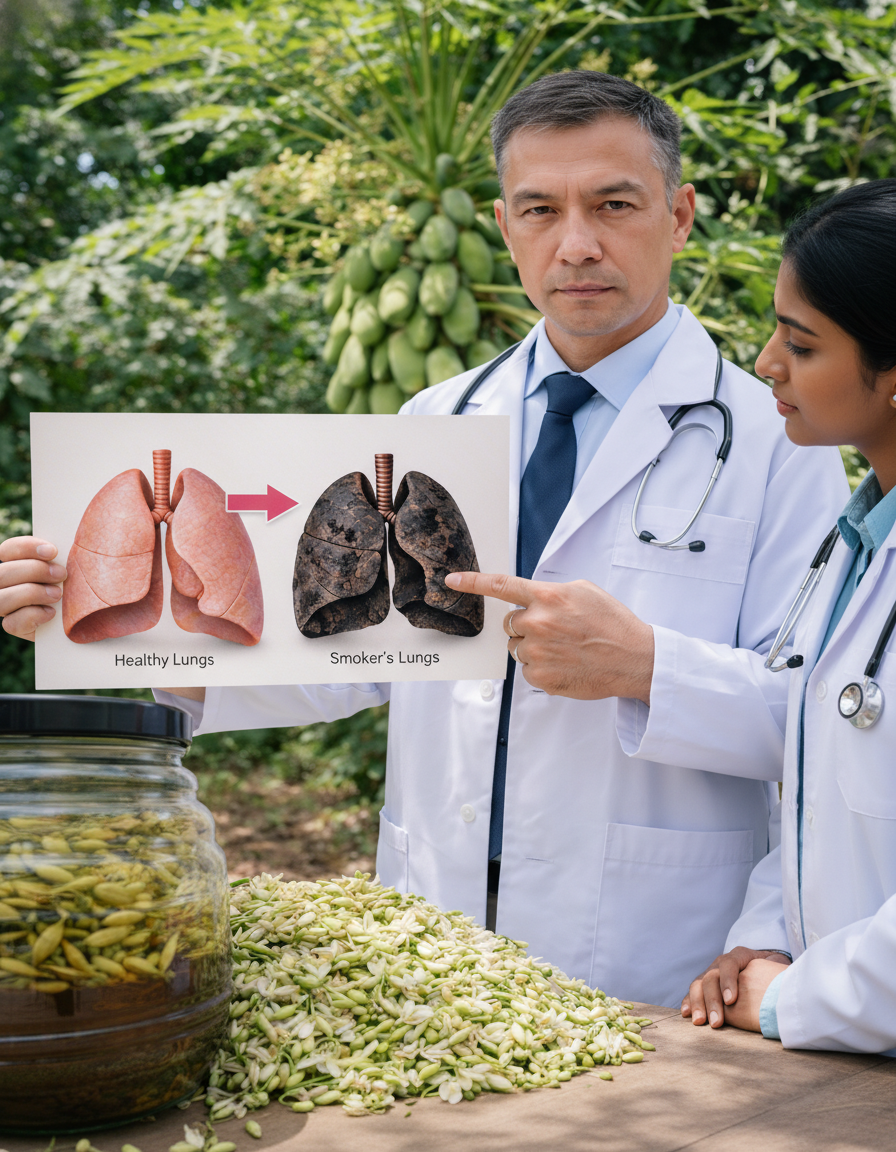
Oxidative stress, a consequence of environmental pollution, natural aging, and modern lifestyles, can significantly diminish vitality. Scientific investigations consistently demonstrate that papaya flower extracts possess remarkable antioxidant capabilities. Key compounds such as gallic acid and quercetin play a vital role in neutralizing harmful free radicals. In vitro studies further underscore their high free radical scavenging potential, indicating their capacity to support robust cellular health.
2. Support for Healthy Blood Sugar Balance
Unstable blood sugar levels can often lead to feelings of exhaustion and imbalance. Both traditional health practices and preliminary research on various papaya extracts (including those from the flowers) propose their potential to enhance insulin sensitivity and support optimal glucose management. While studies point towards their stabilizing capabilities, further human clinical trials are essential to fully ascertain these benefits.
3. Potential Anti-Inflammatory Properties
Everyday stressors and physical demands can sometimes result in occasional inflammation, impacting overall comfort. The rich array of phytochemicals found in papaya flowers, particularly flavonoids, has been observed to modulate inflammatory responses in various experimental models. This action could play a role in fostering a greater sense of physical ease and well-being.
4. Respiratory Comfort in Traditional Use
Across numerous traditional cultures, papaya flowers have long been steeped to create soothing infusions, particularly for relieving minor throat irritation or cough discomfort, especially during seasonal changes. When combined with honey, these preparations provide gentle support, promoting more comfortable respiration.
5. Other Emerging Supportive Roles
Beyond these primary areas, ongoing research suggests additional supportive roles for papaya flowers:
- Immune System Modulation: Flavonoids within the flowers may help regulate immune responses.
- Cholesterol Balance: Their antioxidant properties can contribute to healthy cholesterol levels by preventing oxidation.
- Hair Health Potential: One intriguing study indicated that papaya flower extracts might support hair growth through 5α-reductase inhibition and beneficial antioxidant effects.
To summarize, here are some of the key bioactive compounds found in papaya flowers and their general contributions to wellness:
- Quercetin and Rutin — Powerful flavonoids recognized for their significant antioxidant and anti-inflammatory capabilities.
- Gallic Acid — A phenolic compound crucial for neutralizing harmful free radicals.
- Kaempferol — Another flavonoid that contributes to various aspects of health and wellness in scientific models.
- Beta-Carotene — A potent antioxidant and precursor to Vitamin A, vital for vision and immune health.