 By admin
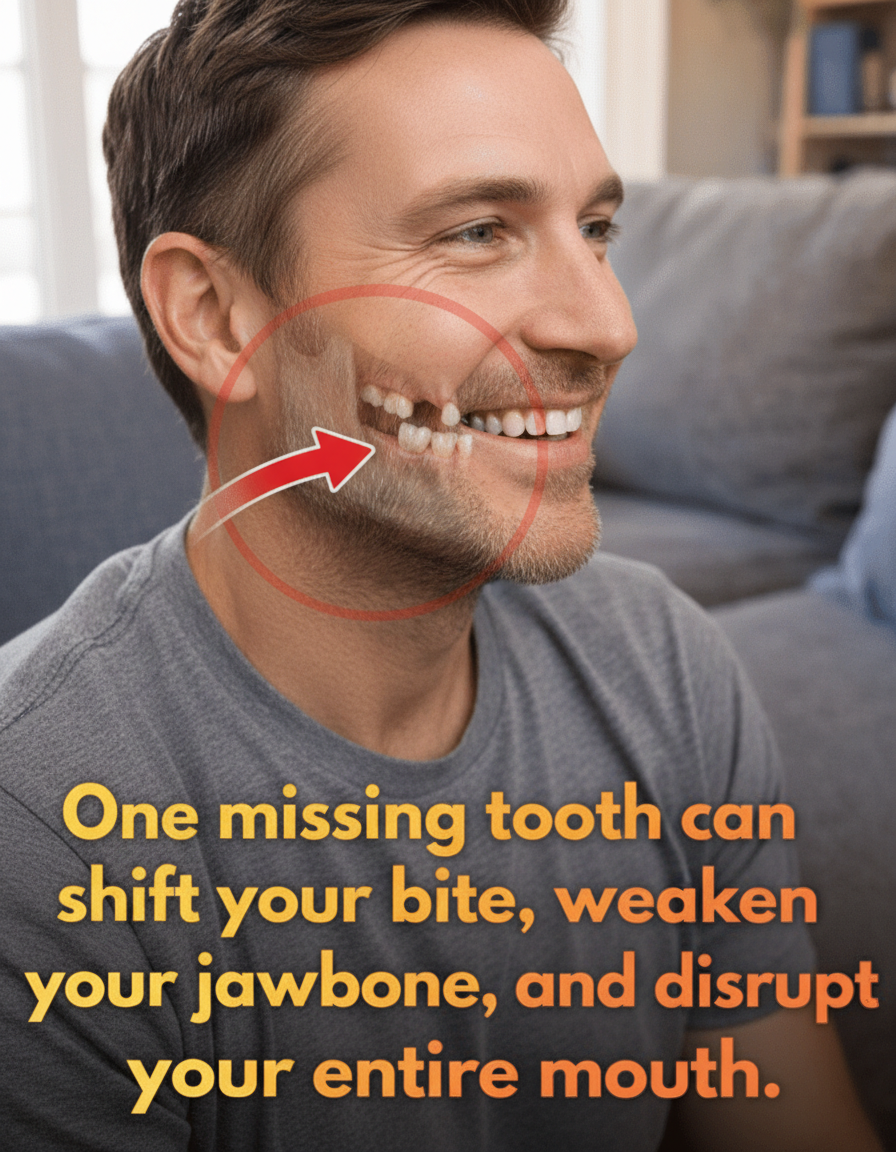
 Many individuals might dismiss a small gap in their smile, especially if the missing tooth isn’t immediately visible. However, that seemingly insignificant void can initiate a profound chain reaction within your mouth, impacting far more than just aesthetics. This empty space sets in motion a series of interconnected changes that can gradually affect your chewing ability, the alignment of your remaining teeth, and even the contours of your face over time. Without the crucial stimulation provided by a tooth root, the underlying jawbone begins to diminish, a process that can lead to a more hollowed or aged appearance around the mouth. Recognizing these potential consequences early on is vital for safeguarding your long-term oral health and can fundamentally alter your perspective on that seemingly minor dental gap.
The Domino Effect: How a Single Missing Tooth Disrupts Your Oral Harmony
When a tooth is lost, whether due to decay, trauma, or extraction, your oral environment undergoes a silent but significant transformation. The void created by the absent tooth acts as an invitation for neighboring teeth to migrate and tilt into the unoccupied space. This gradual shifting profoundly disrupts the precise alignment that your teeth have maintained for years. Dental research consistently demonstrates that unaddressed dental gaps frequently result in an uneven distribution of pressure during mastication (chewing). While the initial discomfort might be subtle, this imbalance can progressively worsen, leading to chronic discomfort or making the enjoyment of certain foods increasingly challenging over time. Yet, the implications extend even further…
Beyond Alignment: The Impact of Shifting Teeth on Your Bite and Daily Life
As adjacent teeth begin to tilt or drift, the intricate balance of your bite—the precise way your upper and lower teeth come together—is irrevocably altered. This emerging misalignment can create localized areas of excessive pressure, often referred to as “hot spots,” during chewing. Such uneven force distribution can lead to a cascade of issues:
- Accelerated and uneven wear of tooth enamel due to modified chewing patterns.
- A heightened susceptibility to fractures or chips in teeth that bear an disproportionate load.
- Increased stress on the temporomandibular (jaw) joints, potentially resulting in intermittent pain or dysfunction.
- Challenges when consuming certain textures of food, such as fibrous meats or crunchy vegetables, diminishing mealtime enjoyment.
Ultimately, these seemingly minor dental shifts can transform the once effortless act of eating into a source of persistent inconvenience or discomfort.
The Unseen Deterioration: Jawbone Resorption and Facial Structure Changes
The consequences of a missing tooth extend far beneath the surface, impacting your underlying bone structure in a critical way. Your jawbone maintains its density and strength through the continuous stimulation it receives from tooth roots during the chewing process. When a tooth root is no longer present, that specific area of the jawbone loses its vital stimulation, akin to a muscle no longer being exercised. Over time, this leads to a process known as bone resorption, where the bone gradually deteriorates and shrinks. Esteemed dental organizations, including the American Dental Association, consistently corroborate these findings.
While this bone loss is a gradual process, its effects can significantly alter your facial support. Cheeks may appear less robust, and the lower facial region can take on a somewhat sunken or collapsed appearance, contributing to an accelerated aging look. Pertinently, studies indicate that substantial changes in bone volume can commence within the first twelve months if the dental void remains unaddressed. What many overlook is this crucial insight: proactive intervention is paramount to preserving your existing bone health and facial integrity.
Expert Insights: The Documented Ramifications of Unaddressed Tooth Loss
Leading dental authorities, including resources like the American Dental Association’s MouthHealthy, consistently outline a range of adverse outcomes associated with unreplaced missing teeth. These include:
- The noticeable drifting and tilting of adjacent teeth into the empty space.
- The “super-eruption” or extrusion of the opposing tooth, which no longer has a counterpart to bite against.
- A significant reduction in the overall efficiency and comfort of chewing.
- An elevated risk of developing secondary oral health problems due to the creation of new, difficult-to-clean areas, fostering plaque and bacteria accumulation.
These are not merely theoretical risks; they represent frequently observed clinical patterns in dental practices globally. Proactively addressing a dental gap is a fundamental step in preserving the intricate, natural architecture and long-term health of your entire oral system.
Restoring Your Smile and Health: Effective Solutions for Replacing a Missing Tooth
While no single solution is universally suitable, a wide array of effective tooth replacement options exist to restore both function and aesthetics, crucially preventing further oral deterioration. Common and highly recommended approaches include:
- Dental Implants: Considered the gold standard, dental implants function as artificial tooth roots surgically placed into the jawbone. They provide essential stimulation to the bone, mimicking natural teeth, which helps to preserve bone density and prevent adjacent teeth from shifting.
- Dental Bridges: These prosthetic devices are anchored to the natural teeth on either side of the gap, effectively bridging the space. They help to redistribute chewing forces more uniformly across your bite.
- Dentures (Partial or Full): As removable appliances, dentures offer a viable solution for restoring appearance and chewing function, particularly when multiple teeth are absent.
The critical step is to engage in a comprehensive discussion with a qualified dental professional. They can thoroughly assess your unique oral health profile, including your existing bone health and overall dental condition, to recommend the most appropriate and beneficial treatment plan for you.
Proactive Measures: Immediate Steps for Safeguarding Your Oral Health
You don’t need to wait for significant complications to arise before taking action. Implementing these practical habits can significantly support your oral health, even when managing a missing tooth:
- Maintain meticulous oral hygiene: Brush thoroughly twice a day and diligently floss, paying extra attention to the areas around any dental gaps. This helps to prevent plaque accumulation and bacterial growth in potentially challenging-to-clean spaces.
- Prioritize routine dental examinations: Regular visits to your dentist are crucial. They can meticulously monitor for any early signs of tooth shifting, bone resorption, or other developing issues, allowing for timely intervention.
- Adjust dietary habits thoughtfully: If you experience uneven chewing, temporarily opt for softer foods. However, always strive to maintain a balanced and nutritious diet to support your overall health and resilience.