 By admin
 Many women diligently focus on their personal diet, exercise regimens, and regular health screenings as cornerstones of breast health. Yet, it’s easy to overlook how deeply interwoven daily routines become within a long-term relationship. Over time, the choices one partner makes regarding physical activity or smoking can subtly, almost imperceptibly, shape the other’s lifestyle and surrounding environment. While this influence might initially feel invisible, emerging research increasingly suggests it can contribute to significant differences in health outcomes, including breast cancer risk.
The encouraging news? Recognizing these potential risks transforms them into powerful opportunities for positive, shared change. Couples who collaboratively address these habits often report not only improved health markers but also a stronger connection and a renewed sense of mutual motivation. Let’s delve into what studies reveal about two prevalent factors—and explore practical, team-based strategies to tackle them.
The Interwoven Nature of Couple’s Health: Why Habits Align
In committed relationships, it’s a natural phenomenon for partners to synchronize their routines. Shared meals, evening relaxation rituals, and weekend activities mean that one partner’s preferences frequently become the default for the couple. This mirroring can be a beautiful aspect of partnership, fostering unity and comfort. However, challenges arise when these shared habits lean towards sedentary behavior or exposure to tobacco.
Scientific evidence consistently highlights a correlation between physical inactivity and excess body weight with an elevated risk of breast cancer in women. Furthermore, various studies point to secondhand smoke as another potential contributing factor. Grasping these intricate connections empowers couples to implement small yet impactful adjustments that can significantly benefit both partners’ long-term wellness.
💺 1. The Silent Impact of Sedentary Lifestyles: Moving Towards Better Health Together
It’s a common scenario: couples settling into cozy, relaxed evenings on the couch, or finding it easy to skip a workout when one partner lacks motivation. Over a span of years, this can cumulatively lead to a significant reduction in overall physical movement for both individuals. Research indicates that a sedentary lifestyle is associated with an increased risk of breast cancer, particularly in postmenopausal women.
Studies consistently demonstrate that regular physical activity plays a crucial role in maintaining healthy hormone levels, aiding in effective weight management, and reducing systemic inflammation—all vital elements directly linked to optimal breast tissue health. When one partner consistently adopts a less active routine, the other often unconsciously follows suit. Breaking this cycle collaboratively—perhaps by incorporating evening strolls, engaging in active hobbies, or trying couple-friendly fitness classes—can help everyone move more and robustly support long-term health. Remember, perfection isn’t the goal; even modest, consistent increases in daily activity yield substantial benefits.
🚬 2. Understanding Smoke Exposure: Beyond Direct Smoking
Even if smoking occurs exclusively outdoors, residual particles can linger insidiously on clothing, furniture, and various household surfaces. This phenomenon, known as “thirdhand smoke,” when combined with any incidental indoor exposure, creates a persistent, low-level contact with harmful substances for everyone residing in the home. Several research initiatives, including comprehensive meta-analyses and extensive cohort studies, suggest a notable link between secondhand smoke exposure and an elevated breast cancer risk in non-smoking women, particularly those who are premenopausal.
- For instance, certain studies have reported an approximate 20–30% increased relative risk for women regularly exposed to secondhand smoke.
- A significant Japanese cohort study specifically identified associations between a husband’s smoking habits and an elevated breast cancer risk in their wives.
- Other analyses have observed similar patterns, with risks escalating alongside longer durations or higher intensities of exposure.
While not all studies yield identical conclusions, and major health organizations unequivocally classify tobacco smoke as a holistic carcinogen, the potential connection serves as a powerful motivator for many couples to establish completely smoke-free home environments. Quitting or significantly reducing smoking habits offers profound benefits for the entire household, substantially lowering risks for a myriad of health issues including heart disease, respiratory problems, and various cancers.
Comparing the Potential Health Impacts
| Habit | Potential Influence on Women’s Breast Health | Supporting Evidence Summary |
|---|---|---|
| Sedentary lifestyle | Reduced physical activity can lead to hormonal imbalances, weight gain, and increased inflammation, all factors implicated in breast cancer risk. | Strong and consistent links observed across numerous large-scale epidemiological studies. |
| Secondhand smoke exposure | Continuous low-level contact with airborne carcinogens from tobacco smoke. | Some meta-analyses indicate a 20–30% higher relative risk, particularly in premenopausal non-smoking women. |
Empowering Change: Actionable Steps for Couples
The most enduring and successful health transformations frequently occur when partners actively support each other’s efforts. Here are practical strategies couples can adopt together:
- Boost activity as a unified team: Schedule short, invigorating walks together after dinner, explore couple-friendly fitness classes like dancing or hiking, or set shared daily step goals to encourage mutual movement.
- Cultivate a smoke-free living environment: If smoking is a concern, collaboratively research and access quitting resources (such as specialized apps, counseling services, or medical support). Make a conscious effort to celebrate and reinforce smoke-free zones within your home.
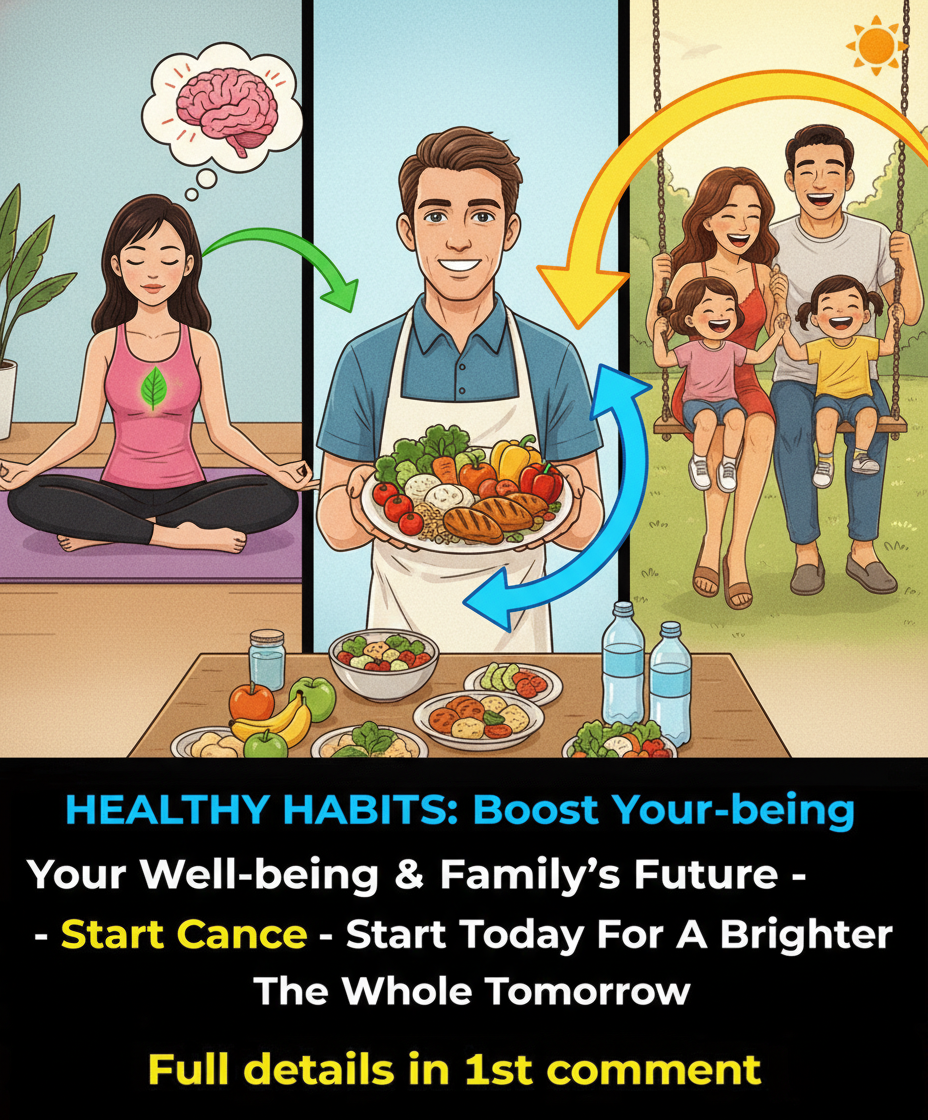
- Integrate active routines into daily life: Transform mundane tasks into opportunities for movement. Cook healthy meals together, engage in gardening projects, or participate in recreational sports—effectively turning physical activity into valuable quality time.
- Foster open and gentle communication: Share this information with your partner thoughtfully, emphasizing the mutual benefits and shared journey towards better health. Many couples discover that honest conversations about wellness can significantly deepen their emotional bond.
Remember to start small: select just one change to implement this week and gradually build upon that foundation.
Cultivating a Healthier Future, Together
It’s important to acknowledge that no single habit can definitively guarantee or prevent specific health outcomes; genetics, regular screenings, and individual lifestyle choices all play significant and complex roles. However, a growing body of evidence increasingly underscores the profound influence partners exert on each other’s health. By recognizing and actively addressing these shared habits, couples possess a unique opportunity to jointly foster a healthier environment and significantly contribute to each other’s long-term well-being, including reducing the risk of conditions like breast cancer. It’s a testament to the power of partnership in health.