 By admin
 In the vast landscape of social media, skincare trends frequently emerge and spread like wildfire, often featuring countless “DIY hacks” that promise dramatic results overnight. Among the more unusual routines that have captured significant attention is the application of a mixture of toothpaste and Vaseline (petroleum jelly) directly onto the face. Proponents of this method often claim it can swiftly clear acne, minimize pores, or even brighten the complexion in just a single night. However, a crucial question remains: is this practice truly safe? And what are the actual consequences when products formulated for entirely different purposes are applied to delicate facial skin?
As a dedicated skincare and wellness content specialist, I am here to thoroughly explore the scientific basis behind applying toothpaste and Vaseline to the skin. I will detail the common experiences users report “the next day” and, more importantly, outline safer, more effective alternatives for those aspiring to achieve clear, healthy skin.
Understanding Why People Attempt Toothpaste and Vaseline on Skin
The Misconception of Toothpaste as an Acne Treatment
- Toothpaste typically contains active ingredients such as fluoride, baking soda, triclosan, and various alcohol-based compounds, all of which possess strong drying properties.
- This drying effect led to a widespread but mistaken belief that toothpaste could effectively “zap” pimples and make them disappear overnight.
The Perceived Role of Vaseline
- Vaseline, or petroleum jelly, functions primarily as an occlusive moisturizer. Its main purpose is to create a protective barrier on the skin, effectively sealing in moisture and preventing dehydration.
- Some individuals combine it with toothpaste, under the assumption that Vaseline will mitigate any potential irritation from the toothpaste while the latter works to “treat” the acne.
At first glance, this combination might appear to be an ingenious DIY solution. Nevertheless, the actual dermatological implications are far more complex and often problematic.
The Actual Outcomes of Applying Toothpaste + Vaseline to Your Face
Immediate Next-Day Results (Short-Term Observations):
- Temporary drying of pimples: Toothpaste may indeed cause a pimple to appear smaller or less inflamed due to its drying agents, but this effect is typically superficial and short-lived.
- Tight, irritated skin: The fluoride, strong alcohols, and other abrasive compounds found in toothpaste are highly irritating to facial skin, often leading to noticeable redness, a burning sensation, or an uncomfortable feeling of tightness.
- Greasy residue from Vaseline: The skin often feels sticky or excessively oily, as Vaseline creates a thick occlusive layer that seals in everything beneath it—including any potential irritants from the toothpaste.
Cumulative Effects Over Time (Long-Term Consequences):
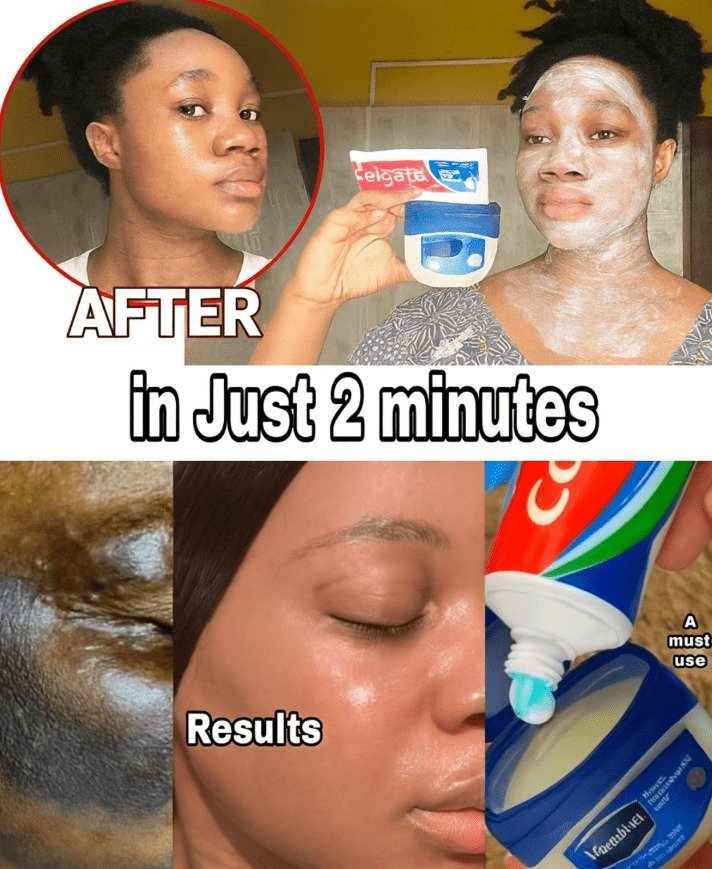
- Exacerbated irritation: Toothpaste is simply not formulated for the delicate nature of facial skin. Prolonged or repeated use can result in severe dryness, flaking, peeling, and in some cases, even chemical burns.
- Blocked pores: While Vaseline itself is often non-comedogenic for many individuals, when applied over harsh substances like toothpaste, it can effectively trap bacteria, dead skin cells, and irritants, potentially leading to more clogged pores.
- Worsening acne conditions: Far from healing, existing breakouts may become significantly more inflamed, persistent, or widespread, contradicting the original intention of the hack.
| Product | Intended Use | Effect on Skin (Face) |
|---|---|---|
| Toothpaste | Oral hygiene (teeth) | Over-dries, irritates, may burn skin |
| Vaseline | Moisture barrier (skin) | Locks in moisture but also traps irritants |
A Real-World Example
Sophie, a 23-year-old, decided to experiment with the toothpaste-and-Vaseline hack after encountering it on TikTok. The following morning, she observed that one particular pimple appeared marginally smaller. However, the rest of her facial skin felt intensely tight, was visibly red, and constantly itched. Over the subsequent week, she experienced a proliferation of new breakouts, especially around her chin area. Her dermatologist later clarified that toothpaste contains numerous skin irritants and is unequivocally unsafe for regular application to the face.
Effective and Safer Alternatives for Achieving Clear Skin
- Targeted spot treatments: Opt for readily available over-the-counter creams that contain proven active ingredients such as benzoyl peroxide or salicylic acid, which are specifically formulated to address acne.
- Gentle natural remedies: A small dab of properly diluted tea tree oil or a soothing application of pure aloe vera gel can effectively calm inflamed pimples and reduce redness without the risk of harsh side effects.
- Consistent, gentle skincare routine:
- Begin with cleansing your face using a mild, pH-balanced facial wash.
- Follow up with a hydrating, non-comedogenic moisturizer to maintain skin barrier health.
- Conclude your morning routine by applying a broad-spectrum sunscreen daily to protect against UV damage, prevent post-inflammatory hyperpigmentation, and minimize overall skin irritation.
Conclusion and Frequently Asked Questions
Essential Takeaways
- Applying a mixture of toothpaste and Vaseline to your face might offer a fleeting impression of drying out pimples, but it almost invariably leads to significant irritation, the clogging of pores, and ultimately, a worsening of existing breakouts.
- It is crucial to remember that these products are not formulated or intended for facial skincare and can inflict considerable damage upon the skin’s delicate protective barrier.
- A wide array of safer, dermatologist-approved treatments and routines are readily available for effectively managing acne and enhancing overall skin clarity.
FAQs
Can toothpaste permanently eliminate pimples?
Absolutely not. While it might temporarily reduce their size, it frequently causes irritation and can exacerbate acne in the long run.
Is Vaseline considered safe for use on the face?
Yes, Vaseline can be safe for facial use, but only when applied to clean skin to effectively seal in moisture. It should never be combined with harsh irritants such as toothpaste.
What actions should I take if I have already tried this hack and my skin has reacted negatively?
Immediately cease using the products, gently wash your face with a mild cleanser, apply a soothing moisturizer, and promptly consult a dermatologist if any irritation persists or worsens.
Disclaimer: This article is provided strictly for educational and informational purposes only. It does not constitute medical advice. Always consult a qualified dermatologist or healthcare professional for personalized skincare recommendations and treatment plans.