 By admin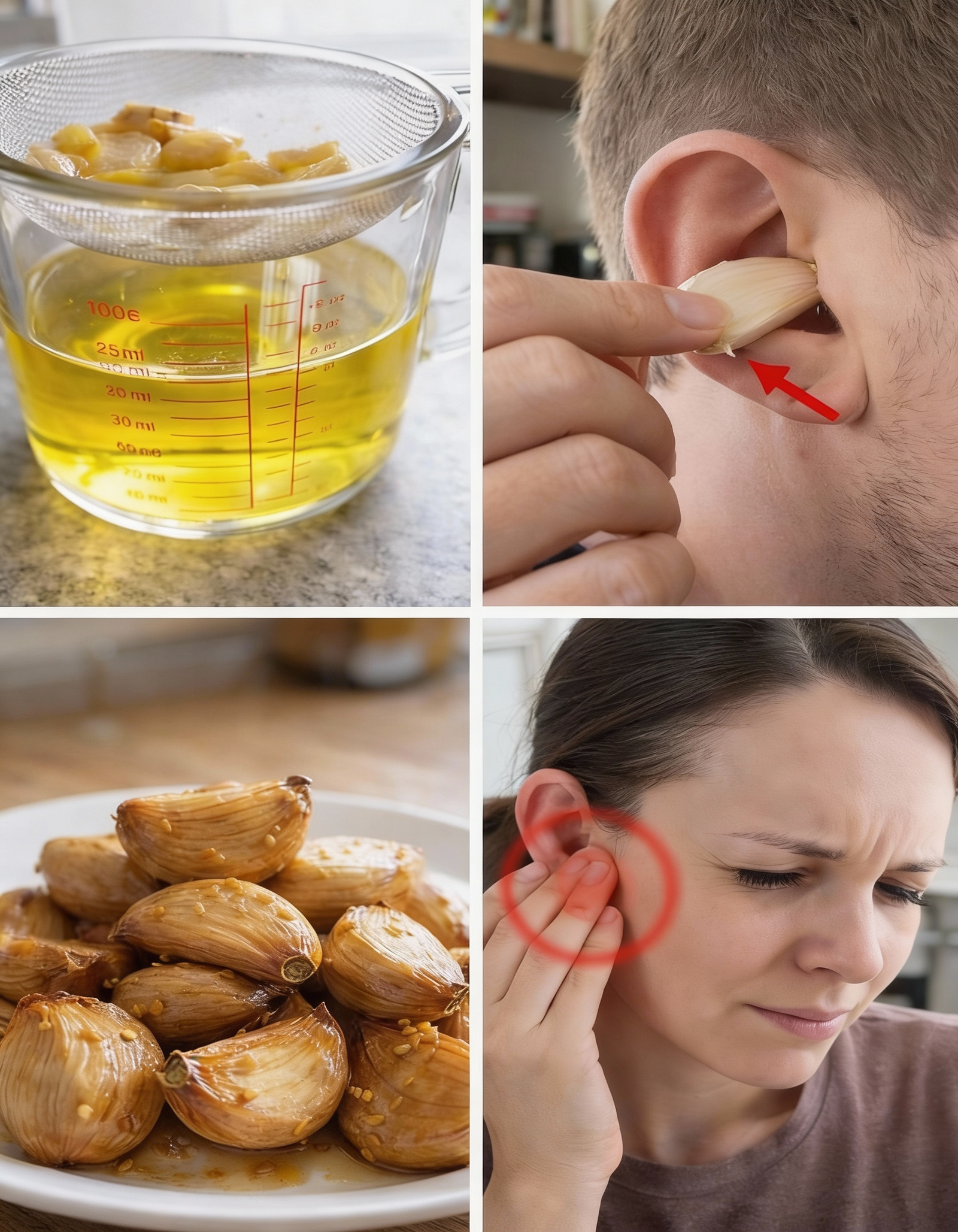
Earaches can strike at the worst moments—waking you in the middle of the night, disrupting work, or making simple tasks feel unbearable due to throbbing pressure, muffled hearing, or sharp discomfort from congestion or a minor infection. Many people turn to natural options for quick relief, and one viral home remedy stands out: gently placing a peeled garlic clove in or near the ear canal, based on age-old traditions claiming its powerful compounds can ease pain and fight germs. While this practice has persisted through generations and online shares, growing concerns from health experts highlight potential downsides that outweigh unproven benefits in most cases.
The good news? You don’t have to choose between tradition and safety—understanding the facts opens the door to gentler, evidence-informed ways to find comfort. Keep reading to uncover the real story behind this remedy and discover practical alternatives that many find more reliable.

Why This Garlic Ear Remedy Keeps Going Viral
Ear discomfort often links to common issues like colds, allergies, altitude changes, or minor outer ear irritation. In search of fast, kitchen-based help, people frequently try inserting a small, wrapped garlic clove, hoping its natural sulfur compounds—especially allicin—release soothing vapors.
Studies show garlic does have antimicrobial properties in lab settings, with compounds like allicin inhibiting certain bacteria and fungi. However, when a whole clove sits in the outer ear, those active elements rarely reach meaningful concentrations where needed most.
But that’s not the full picture—many report temporary warmth or a placebo-like calm from the method, which keeps the trend alive despite limited backing.

Traditional Beliefs vs. What Experts Actually Say
Folk wisdom praises garlic as a natural powerhouse for infections and pain. Yet medical views emphasize caution due to anatomy and evidence gaps.
Here’s a quick comparison:
- Antimicrobial Action — Folk belief: Vapors kill germs directly. Expert consensus: Lab effects exist, but vapors from a clove deliver too little to impact infections effectively; most ear issues occur behind the eardrum barrier.
- Pain Relief — Folk belief: Quick soothing. Expert consensus: Any comfort likely stems from mild warmth rather than targeted healing.
- Safety — Folk belief: Completely natural and harmless. Expert consensus: Risks include skin irritation, chemical burns from juices, or blockage if pieces break off.
- Evidence Level — Folk belief: Passed down generations. Expert consensus: Mostly anecdotal; some older studies on herbal ear drops (including garlic) show pain relief similar to OTC options, but not for curing infections.
Research remains limited, with most support coming from small, dated trials on formulated drops rather than raw cloves.

Insight #1: The Possible Mild Warming and Comfort Effect
Some users describe a gentle heat that relaxes tense muscles around the ear, similar to a warm compress. This warmth may temporarily improve local blood flow and ease surface-level discomfort.
One older study on children with ear pain found naturopathic drops containing garlic provided relief comparable to standard numbing drops. But experts note this likely comes from the oil base and warmth, not direct antimicrobial action.
If your discomfort rates mild (say, 3-5 out of 10), this indirect soothing might feel helpful—but it’s no substitute for addressing root causes.
Insight #2: Why Antimicrobial Claims Fall Short
Allicin shows promise against pathogens in test tubes, including some linked to outer ear issues. Yet a whole clove in the ear canal doesn’t release enough concentrated vapors to penetrate deeply or treat middle ear problems.
Experts stress that true infections behind the eardrum stay out of reach—garlic can’t cross that natural barrier without risking damage.
Insight #3: Real Risks of Irritation and Burns
Raw garlic contains acidic juices that can sting sensitive skin inside the ear canal. Reports include redness, rashes, or even mild chemical burns, especially with prolonged contact.
Those with allergies or broken skin face higher chances of reaction. Always test any natural approach cautiously.

Insight #4: The Hidden Danger of Blockage
A clove can slip deeper, fragment, or swell slightly with moisture, becoming a foreign object. This may trap wax, worsen pressure, or require professional removal—potentially leading to added irritation or infection.
Doctors occasionally see cases needing extraction, underscoring why direct insertion raises red flags.
Insight #5: Why It Won’t Reach Middle Ear Issues
Most painful ear problems stem from middle ear inflammation (otitis media), blocked by the eardrum. External remedies like a clove stay in the outer canal, offering no direct access.
This explains why symptoms often persist despite trying the method.
Insight #6: Safer Garlic-Infused Alternatives
Commercial or homemade ear drops blending garlic with mullein, calendula, or olive oil appear in some studies for pain management. Older trials found these formulations eased discomfort in children similarly to anesthetic drops, without insertion risks.
These use controlled, diluted delivery—often warmed slightly—for gentler effects. Look for reputable herbal blends if exploring this route.
Insight #7: Knowing When to Get Professional Help
Home approaches suit minor, short-lived discomfort—but never delay care for red flags like:
- Severe pain or high fever
- Fluid discharge (clear, pus-like, or bloody)
- Sudden hearing loss or dizziness
- Symptoms lasting more than a few days
- Issues in young children or infants
Prompt evaluation prevents complications and ensures appropriate support, whether watchful waiting or targeted treatment.
Safer Home Options to Try Tonight
These evidence-supported steps often bring relief without the hazards of direct insertion:
- Warm Compress — Soak a clean cloth in warm (not hot) water, wring it out, and hold over the ear for 10-15 minutes. Repeat as needed to relax tissues and improve circulation.
- Olive Oil Drops — Warm a few drops of plain olive oil slightly (test on wrist first), lie on your side, and place 2-3 drops in the ear. Stay resting for 5 minutes to soften wax or ease dryness.
- Steam Inhalation — Breathe steam from a bowl of hot water (towel over head) for 10 minutes to loosen congestion contributing to pressure.
- Hydration and Rest — Drink plenty of fluids and prop up your head while sleeping to promote drainage.
Quick Comparison of Ear Comfort Methods
| Method | Potential Benefit | Risks Involved | Evidence Level |
|---|---|---|---|
| Direct Garlic Clove | Mild warmth (anecdotal) | High (irritation, blockage, burns) | Mostly anecdotal |
| Garlic-Infused Drops | Pain soothing in some studies | Low if diluted/commercial | Limited studies |
| Warm Compress | Relaxation and circulation boost | Minimal | Widely supported |
| OTC Pain Relievers | Targeted discomfort reduction | Follow dosing guidelines | Strong |
Final Thoughts: Tradition Meets Modern Caution
While the garlic clove method carries cultural appeal and may offer fleeting warmth for some, evidence leans toward it being more myth than reliable fix—especially with notable safety concerns. Opting for indirect warmth, gentle drops, or professional input often leads to better outcomes and peace of mind.
You’ve now got the balanced facts to make informed choices for those uncomfortable moments.
Frequently Asked Questions
Is it safe to put garlic in your ear overnight?
No—experts advise against leaving any object or raw garlic in the canal due to irritation and blockage risks. Short, supervised use carries fewer issues, but alternatives prove safer.
Can garlic ear remedies replace antibiotics?
No—they may ease surface discomfort but don’t treat underlying bacterial infections effectively. Always follow medical guidance for suspected infections.
What are the best natural ways to ease ear pressure from a cold?
Warm compresses, steam, hydration, and gentle olive oil drops often help more reliably than insertion methods, supporting natural drainage.
This article is for informational purposes only and does not constitute medical advice. Consult a healthcare professional for diagnosis, treatment, or if symptoms persist or worsen.