 By admin
 Many adults experience tooth discoloration, whether from daily indulgences like coffee, tea, and red wine, or simply the natural process of aging. This common aesthetic concern often makes individuals feel self-conscious about their smiles, particularly in photographs or social interactions. The desire for a quick fix drives countless searches for instant, at-home remedies that promise remarkable transformations in just minutes. However, while bold assertions such as “erasing a decade of stains in two minutes” capture attention, dental professionals consistently advocate for realistic expectations and gentle, sustainable approaches. This article will delve into popular natural teeth whitening methods, examining what credible research and dental experts truly say about their efficacy for improving surface stains.
Understanding Tooth Discoloration and the Allure of Rapid Solutions
Over time, surface stains accumulate on tooth enamel due to everyday habits, leading to a duller, more aged appearance. Individuals often become frustrated when conventional whitening products trigger tooth sensitivity or yield only fleeting improvements. Consequently, natural teeth whitening concepts, often involving common household ingredients, gain popularity due to their perceived affordability and gentleness. It’s crucial to understand, however, that no single method can reliably eliminate deep-seated or stubborn discoloration in a mere two minutes; achieving genuine, lasting change typically demands sustained dedication and patience.
The Banana Peel Trend: Separating Myth from Scientific Reality
The practice of using banana peels for teeth whitening has gained significant viral traction, with recommendations often suggesting rubbing the inner part of the peel directly onto teeth for several minutes each day. Advocates of this method frequently point to minerals such as potassium and magnesium within the peel, postulating their ability to naturally lift stains. While some personal anecdotes report a marginally brighter smile following consistent application, numerous scientific reviews and controlled studies have largely concluded that banana peel alone offers negligible to no significant whitening effect. In fact, laboratory experiments have sometimes shown that banana peel not only failed to induce a perceptible color shift but, owing to its natural pigments, occasionally contributed to a more yellowish hue. Any minor debris removal achieved through gentle rubbing is comparable to regular toothbrushing and does not surpass the efficacy of standard oral hygiene practices for stain reduction.
Common Natural Ingredients Explored for Teeth Brightening
- Baking Soda: Functions as a gentle abrasive, aiding in the gradual polishing away of surface discolorations.
- Lemon Juice: Contains citric acid, which is often cited for its potential brightening effects. However, its high acidity poses a significant risk of enamel erosion if used excessively.
- Sea Salt: May offer minor antiseptic qualities and contributes a polishing texture.
- Fresh Ginger: Valued for its anti-inflammatory properties and ability to provide a refreshing sensation.
While these ingredients frequently feature in homemade whitening pastes, scientific evidence supporting their ability to deliver dramatic, rapid results remains sparse. Among them, baking soda exhibits the most consistent, albeit mild, benefits in research, particularly when employed judiciously.
A Gentle At-Home Polishing Paste Recipe (Manage Expectations)
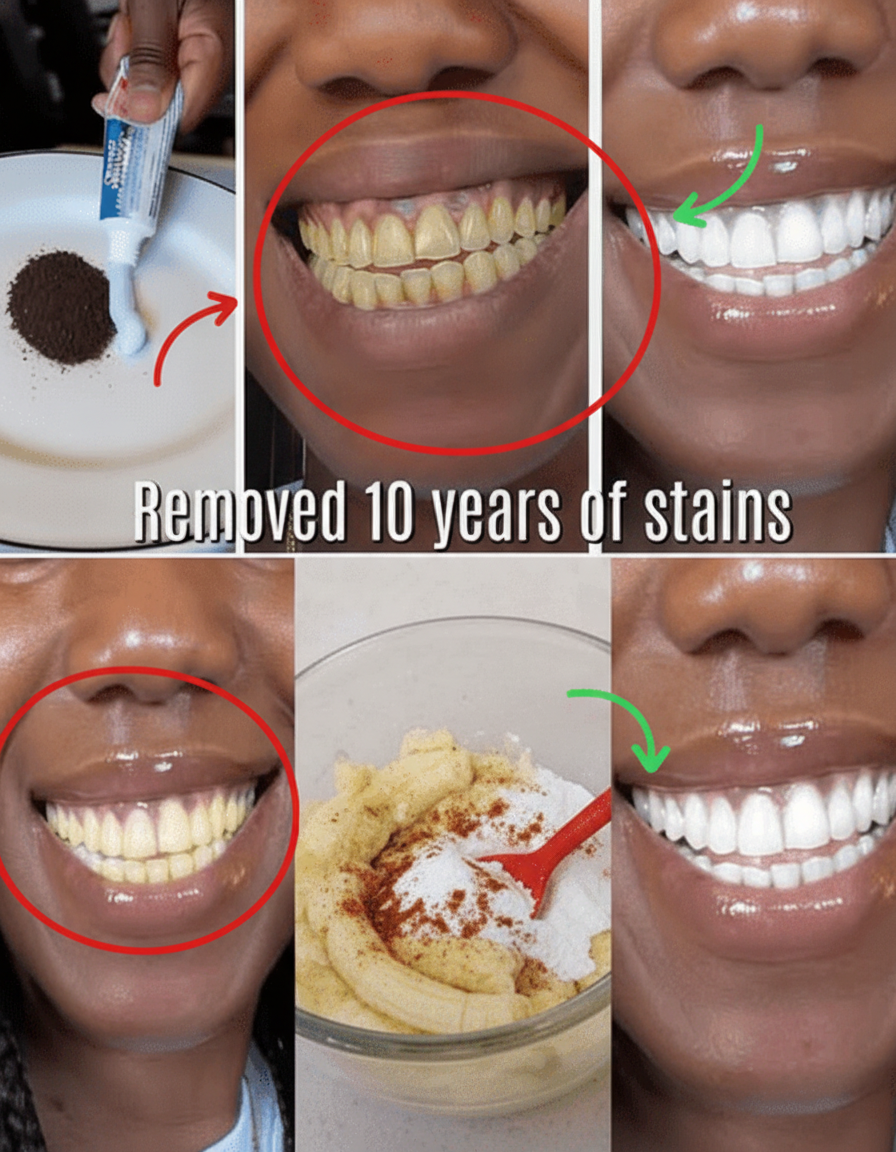
Ingredients for a Fundamental Natural Polish Paste
- 1 teaspoon of baking soda (serving as a mild abrasive)
- A few drops of water or your preferred regular toothpaste (to achieve a smoother consistency and incorporate fluoride)
- Optional: A very small pinch of sea salt or a single drop of fresh lemon juice (exercise extreme caution with lemon juice to prevent potential acid damage to enamel)
Step-by-Step Application Guide
- Combine all ingredients in a small bowl until a smooth paste is formed.
- Place a pea-sized quantity of the paste onto a soft-bristled toothbrush.
- Brush your teeth gently using circular motions for 1 to 2 minutes, limiting use to 2 to 3 times per week.
- Rinse your mouth completely and subsequently brush with your usual fluoride toothpaste.
Why “Instant Miracle” Whitening Claims Are Often Unrealistic
Many rapidly spreading internet trends tend to overstate results, primarily relying on individual anecdotes rather than substantiated, widespread evidence. Reputable professional bodies, such as the American Dental Association, consistently emphasize that truly effective stain removal generally necessitates the use of scientifically proven abrasives or bleaching agents, ideally under professional supervision. While certain natural alternatives might assist with superficial surface cleaning when integrated into a diligent oral hygiene routine, they seldom produce dramatic, instantaneous transformations within minutes or even overnight.
Safer, Evidence-Based Strategies for Gradual Whitening
- Regular Brushing: Brush your teeth twice a day using a whitening toothpaste that incorporates gentle abrasives.
- Comprehensive Oral Hygiene: Incorporate daily flossing and the use of an antiseptic mouthwash to effectively minimize plaque accumulation.
- Dietary Awareness: Reduce your intake of foods and beverages known to cause staining, and rinse your mouth with water immediately after consuming them.
- Over-the-Counter Solutions: For more pronounced surface stain improvement, explore dentist-approved over-the-counter whitening strips.
Implementing these practical measures can effectively tackle the primary sources of tooth dullness, all while safeguarding the integrity and health of your tooth enamel.
Comparative Overview of Popular Whitening Methods
| Method | Time Per Use | Potential for Surface Stain Reduction | Risk Level | Backed by Scientific Evidence? |
|---|---|---|---|---|
| Banana Peel Rubbing | 2 minutes | Minimal | Low | Very Limited |
| Baking Soda Paste | 1–2 minutes | Mild to Moderate | Low (if used infrequently) | Moderate |
| Commercial Whitening Strips | 30 minutes | Moderate to Good | Moderate (potential for sensitivity) | Strong |
| Professional Dental Whitening | Varies (e.g., 60-90 min/session) | High | Low (under professional supervision, temporary sensitivity possible) | Strong |