 By admin
 The Sweet Addiction: Understanding the Dopamine Loop Behind Sugar Cravings and How to Break Free
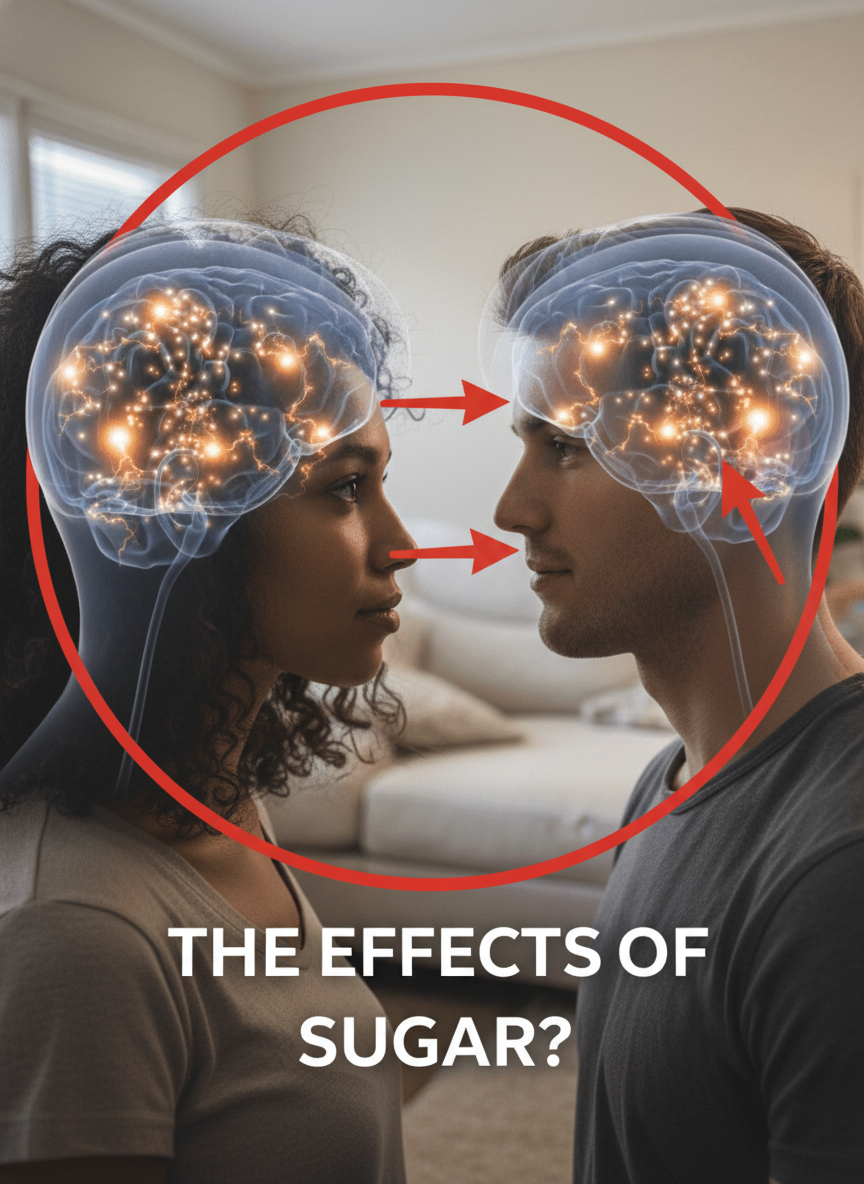
We’ve all experienced it: that inevitable afternoon energy dip, often around 3 PM, when a sugary treat suddenly seems far more appealing than any healthy snack. It’s easy to blame a lack of willpower, but the truth is, your brain is reacting to sugar in a profound and predictable way. When you consume sugar, it swiftly triggers the release of dopamine, a powerful neurotransmitter that activates your brain’s pleasure and reward centers. This immediate ‘feel-good’ rush makes sweet foods incredibly alluring, explaining why sugar cravings can feel so overwhelming and difficult to resist.
However, this seemingly harmless indulgence hides a significant challenge: consistent sugar intake can actually alter your brain’s reward processing. Research indicates that frequent consumption of high-sugar foods can lead to a tolerance, meaning you require progressively more sugar to achieve the same pleasurable sensation, thus perpetuating a relentless cycle of cravings and overeating. The good news is that recognizing this dopamine-driven mechanism is the crucial first step toward reclaiming your dietary choices. In this comprehensive guide, we’ll explore actionable strategies to manage these cravings effectively and sustainably, without feeling deprived. Read on to discover a powerful, yet simple, habit that can naturally help recalibrate your sugar desires.
How Sugar Ignites a Dopamine Rush in Your Brain
The moment you taste something sweet, your sensory receptors send immediate signals to your brain. This rapid communication activates the brain’s intricate reward pathway, prompting a surge of dopamine, particularly in regions like the nucleus accumbens. Dopamine serves as a powerful chemical messenger, essentially signaling, ‘That felt good! Do it again!’ This neurochemical reinforcement powerfully motivates you to seek out and repeat the behavior. Studies, including those referenced by institutions such as Harvard Medical School, confirm that this neural response closely mirrors how the brain processes other highly rewarding experiences. Even a small amount of sugar can induce a rapid mood elevation, explaining the instant gratification and profound satisfaction it provides. However, this initial pleasure comes with a critical caveat…
The Downside: How Excessive Sugar Rewires Your Brain Chemistry
While the initial dopamine rush is potent, its effects are fleeting. Regular and excessive sugar intake can instigate significant alterations within the brain’s delicate dopamine system. Over an extended period, the brain may begin to either reduce the number of its dopamine receptors or diminish their sensitivity, a phenomenon observed in various animal studies and corroborated by comprehensive reviews of human research. This physiological adaptation, known as tolerance, means that the habitual amount of sugar no longer elicits the same level of pleasure, compelling individuals to consume even more sweets in pursuit of that elusive ‘feel-good’ sensation. This escalating cycle is precisely why reducing sugar intake can initially feel incredibly difficult—your brain has grown accustomed to and now anticipates those frequent dopamine surges. Furthermore, research indicates potential connections between high sugar consumption and disruptions in mood regulation, fluctuating energy levels, and even impaired impulse control, as the brain’s reward pathways become predominantly geared towards instant gratification. Yet, the impact extends beyond just the brain…
Beyond the Brain: The Systemic Impact of Excess Sugar on Your Body
The detrimental effects of excessive added sugar are not confined solely to the brain. Its pervasive influence extends throughout the entire body, significantly impacting overall health. For instance, sugar can disrupt your body’s energy balance, leading to weight gain as it provides a high caloric load devoid of essential nutritional value. Extensive research, including numerous large-scale reviews, consistently links a high intake of added sugars—particularly those found in sweetened beverages—to an elevated risk for serious health concerns such as hypertension (high blood pressure), systemic inflammation, and adverse metabolic shifts over time. Consider these specific consequences:
- Rapid blood sugar spikes followed by dramatic crashes can leave you feeling fatigued, irritable, and unfocused.
- Sustained patterns of high sugar consumption can contribute to chronic low-grade inflammation throughout the body.
- It directly influences your sustained energy levels and cognitive focus throughout the day, hindering productivity and well-being.
Leading health authorities, such as the American Heart Association, advocate for stringent limits on added sugar intake to safeguard general health. Their guidelines typically suggest that most adults consume no more than 6-9 teaspoons (25-36 grams) of added sugar daily. To better understand these recommendations, let’s clarify the distinction between different types of sugars:
Natural Sugars vs. Added Sugars: A Crucial Distinction
Understanding the difference between naturally occurring sugars and added sugars is fundamental to managing your intake effectively:
- Natural Sugars (found in whole fruits, vegetables, and dairy products): These sugars are intrinsically packaged with essential dietary fiber, vitamins, and minerals. This comprehensive nutrient profile helps slow down their absorption into the bloodstream, facilitating a more gradual and sustained release of energy without dramatic spikes.
- Added Sugars (prevalent in sodas, candies, baked goods, and many processed foods): These are sugars and syrups introduced during food processing or preparation. They contribute ’empty calories’—calories that offer minimal to no nutritional value—and typically lead to rapid, sharp increases in blood sugar levels, followed by subsequent crashes, offering no lasting benefits.
Common Culprits: Hidden Sources of Added Sugars
Added sugars are often stealthily present in many everyday foods. Here are some of the most common sources:
- Sweetened beverages (soda, fruit juices with added sugar, energy drinks, sweetened coffees and teas)
- Desserts and confections (cakes, cookies, pastries, ice cream)
- Highly processed snacks and breakfast cereals
- A wide array of sauces, dressings, and condiments (ketchup, BBQ sauce, salad dressings)
Familiarizing yourself with these lists is vital for identifying hidden sugar sources and empowering you to make informed, healthier dietary choices and smarter swaps in your daily routine.
Actionable Strategies to Conquer Sugar Cravings and Rewire Dopamine Habits
The journey to reducing sugar dependency is not about radical, overnight elimination, but rather about cultivating sustainable, long-term habits. Drawing from behavioral science and nutritional research, here are practical, step-by-step strategies to help you regain control:
- Cultivate Self-Awareness: Begin by meticulously tracking your sugar intake for several days. Utilize a food diary or a dedicated app to log everything you consume. Pay close attention to recurring patterns, such as that persistent 3 PM craving, and pinpoint your personal triggers (e.g., stress, emotional eating, boredom, specific routines). Understanding ‘when’ and ‘why’ you crave sugar is the first critical step.
- Strategically Pair Nutrients: When a sugar craving inevitably arises, instead of reaching for an isolated sweet, try pairing it with protein and fiber. For example, have a handful of almonds with a small piece of dark chocolate, or Greek yogurt with berries. Protein and fiber significantly slow down sugar absorption, stabilize blood glucose levels, and provide a more profound and lasting sense of satiety, helping to curb the intensity of the craving.
- Prioritize Whole-Food Alternatives: Gradually replace highly processed sugary snacks with nutrient-dense, whole-food options. Opt for fresh fruits, vegetables, nuts, seeds, and lean proteins. These foods offer natural sweetness, essential nutrients, and fiber, satisfying your palate without the negative impact of added sugars. For instance, swap a candy bar for an apple with peanut butter, or a sugary soda for infused water.
- Stay Adequately Hydrated: Sometimes, what feels like a sugar craving is actually your body signaling dehydration. Before reaching for a sweet snack, try drinking a large glass of water. Often, this simple act can diminish the perceived craving and help you distinguish between true hunger/craving and thirst.
- Prioritize Quality Sleep: Insufficient or poor-quality sleep can significantly impact hormone regulation, particularly those related to appetite, like ghrelin (hunger hormone) and leptin (satiety hormone). When these hormones are out of balance, cravings for high-energy, sugary foods tend to increase. Aim for 7-9 hours of restorative sleep each night.
- Effectively Manage Stress: Stress is a major trigger for emotional eating and sugar cravings. When stressed, your body releases cortisol, which can increase your desire for sugary, high-fat foods. Incorporate stress-reduction techniques into your daily routine, such as meditation, deep breathing exercises, yoga, spending time in nature, or engaging in hobbies you enjoy.
- Practice Mindful Eating: Instead of mindlessly consuming sweets, practice mindful eating. Pay attention to the taste, texture, and aroma of your food. Eat slowly, savor each bite, and truly assess if the food is satisfying your craving or if you’re eating out of habit. This approach can help break the automatic response to cravings.
The Surprising Habit That Can Naturally Reset Your Cravings
While the above strategies are fundamental, here’s a powerful, yet often overlooked, habit that can significantly help recalibrate your brain’s response to sugar:
Embrace Movement: When a sugar craving strikes, instead of heading to the pantry, go for a brisk 10-15 minute walk or engage in any form of light physical activity. Exercise releases endorphins, natural mood boosters that can mimic the ‘feel-good’ effect of dopamine without the sugar crash. It also distracts your brain, giving the craving time to subside, and helps regulate blood sugar. Consistent physical activity can gradually reduce the intensity and frequency of cravings over time, naturally resetting your body’s desire for excessive sweetness.
Reclaim Your Health, One Mindful Choice at a Time
Breaking free from the sugar cycle isn’t about deprivation; it’s about empowerment and understanding your body’s intricate responses. By recognizing the dopamine connection and implementing these actionable strategies, you can gradually diminish the intensity of sugar cravings, stabilize your energy levels, and foster a healthier relationship with food. Take the first step today towards a life with fewer cravings and greater well-being.