 By admin
 Do you frequently experience unexplained fatigue, notice perplexing changes in your skin, or grapple with persistent discomfort without a clear cause? These subtle indicators might be your body’s way of signaling a deeper issue: metabolic dysfunction-associated steatotic liver disease (MASLD). Formerly known as nonalcoholic fatty liver disease (NAFLD), MASLD is characterized by an unhealthy accumulation of fat within liver cells. This prevalent condition impacts a substantial percentage of adults globally, often correlating with factors such as insulin resistance, central obesity, and diets rich in refined carbohydrates and processed ingredients.
Current research highlights MASLD as one of the most widespread chronic liver conditions, with prevalence estimates reaching 30-40% among adults, and projections suggesting an upward trend in the coming years. What makes MASLD particularly concerning is its insidious nature; it often progresses silently with minimal or no noticeable symptoms in its initial stages. However, if left unaddressed, it can lead to more severe liver complications. Many individuals underestimate the profound impact of daily routines on their liver health and how proactive, early lifestyle adjustments can make a significant difference. This article will unveil eight potential warning signs of fatty liver disease that may indicate excess liver fat, offer practical insights from real-world lifestyle transformations, and provide evidence-backed strategies to safeguard your liver. Stay with us to discover how simple, consistent habits can foster better liver health.
Why Fatty Liver Disease (MASLD) Often Goes Undetected
MASLD earns its “silent” reputation because it typically develops incrementally, fueled by underlying metabolic imbalances such as insulin resistance and the accumulation of fat around the abdomen (central obesity). Dietary patterns characterized by high consumption of refined carbohydrates, sugary beverages, and unhealthy fats, coupled with a sedentary lifestyle, significantly contribute to this gradual fat buildup in the liver. Leading health organizations, including the Mayo Clinic and the American Liver Foundation, emphasize that MASLD frequently presents without any distinct symptoms in its early stages.
When symptoms of liver fat accumulation do manifest, they are often vague, such as persistent fatigue, a subtle discomfort in the upper-right abdomen, or a general feeling of unwellness. More pronounced issues, like widespread itchy skin or unexplained swelling, typically signify a more advanced stage of the condition, indicating its progression. The encouraging news, however, is that substantial evidence supports the effectiveness of proactive lifestyle interventions – including sustainable weight management and adopting healthier dietary habits – in significantly reducing liver fat and improving overall liver health, particularly when these changes are implemented early.
8 Subtle Warning Signs of Fatty Liver Disease (MASLD)
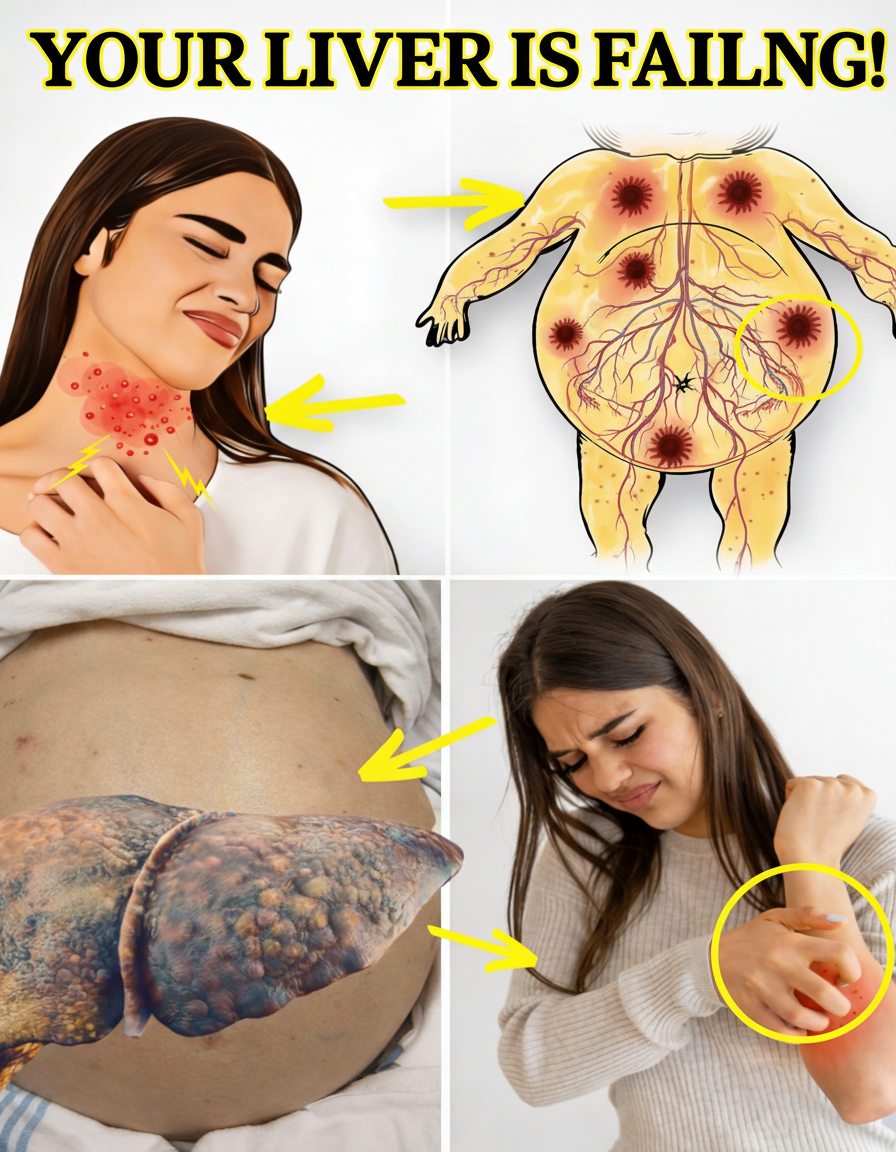
It’s crucial to understand that while these indicators are not definitive diagnoses on their own – as many can point to other health issues – observing several of them concurrently could signal underlying liver strain and warrants a detailed discussion with your healthcare provider. Early recognition is key for effective fatty liver management.
- Spider Angiomas (Spider-like Blood Vessels): These small, web-shaped red or purplish spots often emerge on the face, chest, or arms. Their appearance is often linked to shifts in blood flow and hormonal imbalances that can occur when the liver is under stress from excess liver fat.
- Palmar Erythema (Reddened Palms): A persistent reddish hue or unusual warmth in the palms of the hands, known medically as palmar erythema, can be a subtle sign related to altered systemic circulation and hormonal fluctuations associated with compromised liver function.
- Chronic Abdominal Bloating or Discomfort: A persistent sensation of fullness, pressure, or tightness in the abdominal region, even when not consuming large meals, may sometimes arise if the liver becomes enlarged or if there are changes in fluid dynamics within the body, potentially related to MASLD.
- Visible Abdominal Veins: In more advanced or noticeable cases, the presence of visibly enlarged veins stretching across the stomach area might suggest difficulties with blood flow through the liver, a potential complication of significant liver disease.
- Unexplained Persistent Itching (Pruritus): Experiencing persistent itchiness across the body, particularly on the palms and soles, without any visible rash, can occur when the liver struggles to metabolize certain waste products, leading to their accumulation under the skin.
- Dull Ache in Upper Right Abdomen or Between Shoulder Blades: Due to its anatomical position, a liver under stress can manifest as a persistent, dull ache or discomfort in the upper right quadrant of the abdomen or referred pain between the shoulder blades. This discomfort is often described as nagging and may intensify after eating.
- Acanthosis Nigricans (Dark, Velvety Skin Patches): The development of darkened, thickened, and velvety skin patches, typically found on the neck, armpits, or groin, is often a strong indicator of insulin resistance – a primary metabolic factor contributing to MASLD.
- Noticeable Nail Changes: Alterations in nail health, such as nails becoming brittle, developing ridges, or exhibiting discoloration, can occasionally reflect underlying issues with nutrient processing or protein synthesis, both of which are vital functions of a healthy liver.
Reflect on your recent experiences: do any of these signs of fatty liver disease resonate with you? Documenting any symptoms you observe can provide valuable information for your next medical consultation. Importantly, these observations are just the beginning; countless individuals have achieved remarkable improvements in their liver health and overall well-being through consistent, positive lifestyle adjustments.
Real-World Transformations: Lifestyle Changes That Optimize Liver Health
Personal accounts and clinical observations consistently demonstrate the profound impact of adopting sustainable lifestyle modifications. Individuals who prioritize reducing their intake of processed foods, incorporating regular physical activity, and building their diet around whole, nutrient-dense ingredients frequently report significant improvements in energy levels, daily comfort, and favorable laboratory markers, as highlighted by various health organizations. These compelling narratives underscore a crucial message: fostering optimal liver health doesn’t necessitate drastic measures or extreme deprivation, but rather consistent, mindful choices.
Embracing these changes can not only help manage or reverse MASLD but also enhance your overall quality of life. Always consult with a healthcare professional before making significant changes to your diet or exercise regimen, especially if you suspect you have fatty liver disease or any other health concern.