 By admin
 Many individuals navigate their daily routines completely oblivious to the fact that microscopic adversaries—intestinal parasites, commonly known as worms—might be subtly undermining their health. These parasitic organisms are remarkably prevalent globally, particularly in areas grappling with inadequate access to potable water and robust sanitation infrastructure, where they readily transmit through tainted soil, food, or water sources. Even in more developed regions, insufficient hygiene practices can pave the way for these unwelcome guests. The insidious nature of these infections is often their most concerning aspect; many present no immediate, overt symptoms, allowing the issue to persist and gradually manifest as chronic fatigue, persistent digestive issues, or critical nutrient deficiencies.
However, there’s a powerful solution: straightforward preventive measures, including regular deworming administered under professional medical supervision, can significantly diminish the burden of these parasites and foster enhanced overall well-being. This comprehensive article will delve into the compelling reasons why prioritizing deworming awareness is vital, shed light on common indicators that suggest a parasitic presence, and outline actionable strategies to safeguard both yourself and your loved ones. Stay with us to uncover surprising long-term health advantages that might reshape your perspective on this crucial practice.
Understanding Intestinal Parasites: Types and Transmission Methods
Intestinal worms, scientifically referred to as helminths, are a diverse group of parasitic organisms that inhabit the gastrointestinal tract of humans. The most frequently encountered varieties include roundworms, hookworms, whipworms, and pinworms. Global health authorities such as the World Health Organization (WHO) and the Centers for Disease Control and Prevention (CDC) report that soil-transmitted helminths alone impact billions worldwide, with a disproportionate burden in regions lacking adequate sanitation facilities.
These resilient parasites employ various pathways to infiltrate the human body:
- Ingestion of Contaminated Materials: Consuming microscopic eggs present in tainted soil, food, or water is a primary route for parasites like roundworms and whipworms.
- Skin Penetration: Hookworm larvae, for instance, can directly penetrate the skin, often occurring when individuals walk barefoot in contaminated soil.
- Direct Contact and Surface Transmission: Pinworms are notorious for their ease of spread through close personal contact or contact with contaminated surfaces, a common scenario in households and among children.
While many parasitic infections initially manifest without noticeable symptoms, their prolonged presence can significantly impede the body’s ability to absorb vital nutrients, ultimately leading to a spectrum of health issues and chronic discomforts.
Recognizing the Red Flags: Common Symptoms of Intestinal Worms
The presence of intestinal parasites can manifest differently from person to person; some may remain asymptomatic, while others experience a range of subtle yet persistent health changes. Expert insights from leading health organizations frequently point to the following common indicators:
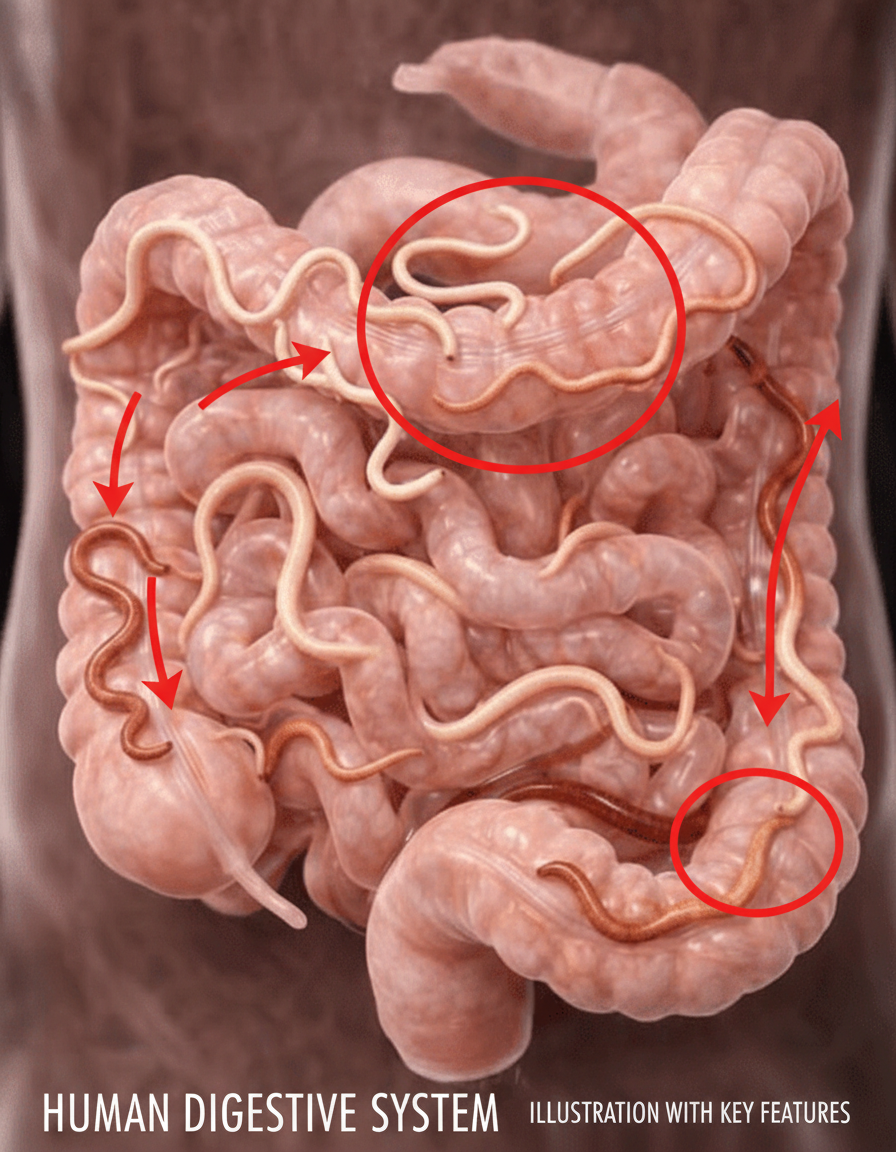
- Persistent Digestive Disturbances: Symptoms often include chronic abdominal pain, uncomfortable bloating, excessive gas, alternating bouts of diarrhea and constipation, or other irregularities in bowel movements.
- Chronic Fatigue and Low Energy: A pervasive feeling of tiredness or weakness, even after adequate rest, can be a direct consequence of parasites siphoning off essential nutrients, leading to nutrient deficiencies.
- Unexplained Weight Fluctuations: Noticeable weight loss without dietary changes or a persistent struggle to gain weight, particularly in children, can signal parasitic activity interfering with proper nutrient assimilation.
- Nocturnal Anal Itching: An intense itching sensation around the anus, especially prominent during nighttime hours, is a classic and highly indicative symptom of pinworm infections.
- Other Systemic Indicators: Additional signs can include persistent nausea, a diminished appetite, and in infrequent severe cases, the visible presence of worms or worm segments in stool.
Furthermore, extensive research indicates that more severe or prolonged parasitic infestations can lead to significant health complications, such as anemia due to blood loss (commonly associated with hookworms) and stunted growth or developmental delays in children. Should you or a family member experience any of these persistent symptoms, it is imperative to seek professional medical advice for an accurate diagnosis and appropriate treatment. Self-diagnosis and self-treatment are strongly discouraged.
The Proven Benefits of Regular Deworming for Enhanced Health
Deworming, or anthelmintic treatment, is a critical intervention utilizing specific medications designed to effectively eradicate intestinal worms from the body. The World Health Organization (WHO) champions periodic deworming as a vital public health strategy in regions with high parasite prevalence, particularly emphasizing its importance for children, to mitigate the overall worm burden and associated health problems. The advantages of this practice are substantial and well-supported by scientific evidence:
- Optimized Nutrient Assimilation: Intestinal parasites are notorious for competing with their human hosts for vital nutrients, leading to deficiencies in essential vitamins and minerals. By eliminating these parasites, deworming significantly enhances the body’s ability to absorb nutrients, thereby promoting robust digestive health and sustaining optimal energy levels.
- Mitigated Health Complications: For developing children, parasitic infections can severely impede physical growth, cognitive development, and academic performance. Extensive research, including comprehensive long-term studies conducted in endemic areas, consistently demonstrates a strong correlation between regular deworming and marked improvements in children’s growth, overall health, and educational outcomes.
- Boosted General Well-being and Immunity: By alleviating the constant strain parasites place on the immune system and the gastrointestinal tract, deworming contributes significantly to maintaining robust general health. This often translates into reduced instances of chronic fatigue, fewer digestive complaints, and an improved sense of vitality.
- Positive Public Health Impact: Large-scale, community-wide deworming initiatives in affected populations have yielded remarkable benefits, including a noticeable reduction in anemia rates and a heightened awareness of essential hygiene practices, fostering healthier communities.
Compelling data from authoritative sources such as the WHO underscores that in communities where parasitic infections affect over 20% of the population, implementing annual or biannual preventive deworming treatments can dramatically decrease worm loads, often without the need for individual diagnostic testing prior to administration.
Infected vs. Dewormed: A Clear Contrast in Health Outcomes
Understanding the stark difference between an untreated parasitic infection and a dewormed state underscores the importance of proactive health management:
- With Untreated Intestinal Parasites: Individuals may experience a continuous depletion of vital nutrients, leading to chronic fatigue and general malaise. Persistent digestive discomforts are common, and vulnerable populations, especially children, face a significantly elevated risk of developing anemia and other severe health complications.
- Following Preventive Deworming: The burden of parasites is substantially reduced, paving the way for improved nutrient absorption, increased energy levels, and enhanced digestive comfort. These positive health outcomes are consistently supported by extensive public health data and research, highlighting the transformative impact of regular deworming.
Embracing regular deworming, alongside diligent hygiene practices and access to clean water, forms a powerful defense against these common yet often overlooked threats to our health. Prioritizing these steps is crucial for fostering a healthier, more vibrant life for individuals and communities worldwide.