 By admin
 Persistent fatigue, unexplained aches, and a constant feeling of being unwell can be incredibly frustrating. You diligently try to eat better, prioritize sleep, and manage stress, yet a nagging sense of ‘offness’ persists. What many people overlook is that a seemingly minor issue inside the mouth, such as a single decayed tooth, may quietly contribute to ongoing inflammation throughout the body. By the end of this article, you will understand how oral health critically connects to overall wellness and discover simple habits that could make a meaningful difference.
The Surprising Link Between Oral Health and the Rest of the Body
At first glance, a cavity might seem like a localized problem, confined solely to one tooth. However, the mouth is far from isolated; it is an integral part of a complex biological system, intricately connected by blood vessels, nerves, and the immune system. When a tooth decays, harmful bacteria can multiply unchecked within the damaged area. If left unaddressed, this bacterial buildup can irritate the surrounding gums and tissues. The body’s natural defense mechanism kicks in, initiating an inflammatory response.
But here’s the crucial point: while acute inflammation is helpful in short bursts for healing, persistent or chronic inflammation can place an undue burden on the immune system. Research published in peer-reviewed dental and medical journals consistently suggests that suboptimal oral health is associated with higher levels of systemic inflammation markers in the bloodstream. While this doesn’t imply a cavity directly causes severe illness, it powerfully illustrates how closely oral health and general well-being are intertwined. And that’s just the beginning of understanding its impact.
What Happens Inside a Decayed Tooth
To fully grasp the broader implications, it’s helpful to understand the step-by-step progression of tooth decay.
Step by Step Process of Decay
- Plaque Formation: First, a sticky film called plaque forms on the tooth surface, primarily from food particles and oral bacteria.
- Acid Production: Bacteria within the plaque produce acids that gradually weaken and erode the protective tooth enamel.
- Cavity Development: As the enamel breaks down, a small hole, or cavity, develops.
- Pulp Irritation: If the decay progresses and reaches the deeper layers of the tooth, it can irritate the inner pulp, which contains vital nerves and blood vessels.
- Immune Response: When bacteria infiltrate this sensitive area, the immune system reacts more aggressively. This can lead to swelling, discomfort, and in some cases, a full-blown infection.
Here’s the critical insight: the immune response doesn’t remain confined to one tiny spot. Chemical signals released during this inflammatory process can circulate throughout the entire body, potentially influencing other systems. But that’s not all.
How Chronic Inflammation Affects the Body
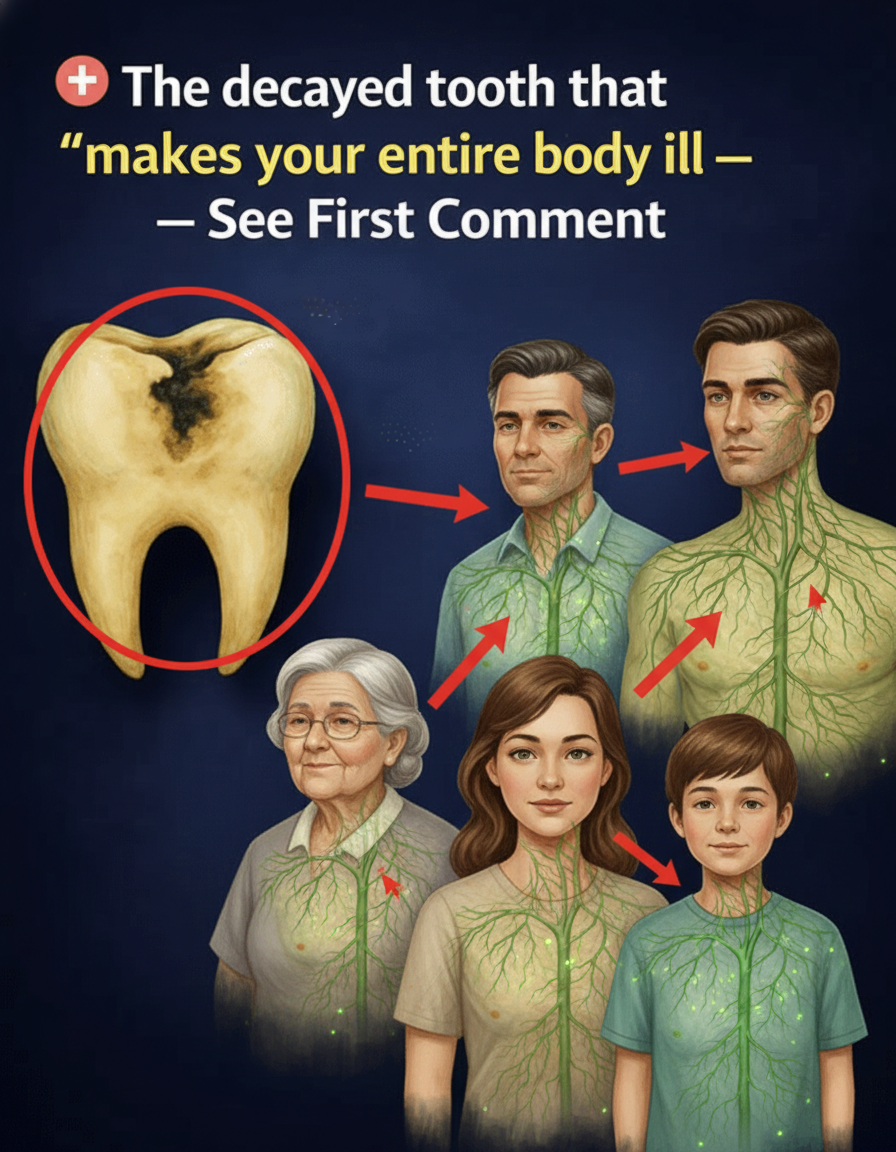
Inflammation itself is not inherently bad; it’s a vital process that helps your body respond to injury and fight off harmful microbes. Problems arise, however, when inflammation becomes persistent and unregulated. Chronic inflammation has been widely linked in scientific literature to several long-term health concerns, including:
- Cardiovascular and blood vessel issues
- Imbalances in blood sugar regulation
- Persistent joint discomfort
- Increased and unexplained fatigue
Again, it’s important to clarify: a single decayed tooth does not automatically lead to these serious conditions. However, ongoing oral inflammation may significantly add to the total inflammatory burden your body is already managing. Think of it this way: your body possesses a certain capacity to handle stressors. Poor sleep, consumption of processed foods, emotional stress, and lack of physical activity all contribute to this burden. An untreated dental issue can quietly become another piece of that complex puzzle, pushing your system closer to a state of chronic inflammation. The truth is, seemingly small daily habits and overlooked issues matter more than we often realize.
Signs Your Tooth May Be Affecting More Than Just Your Mouth
Sometimes dental problems manifest overtly, making their presence known immediately. Other times, they are far more subtle. It’s important to watch for these potential warning signs, which could indicate a deeper systemic connection:
- Persistent bad breath (halitosis)
- Bleeding or swollen gums
- Increased sensitivity to hot or cold foods and beverages
- Dull, persistent jaw discomfort
- A general feeling of low energy or malaise
If these symptoms linger or become a regular occurrence, it is highly advisable to schedule a professional dental evaluation. Early attention can prevent minor concerns from escalating into more complicated and impactful issues. And here’s an interesting observation: many individuals report feeling significantly better overall after resolving chronic oral irritation. While individual experiences can vary, this reinforces the powerful idea that robust oral health is a fundamental pillar supporting whole-body wellness.
Why the Immune System Cares About Your Teeth
Your immune system is a sophisticated surveillance network, constantly monitoring for potential threats. When bacteria from a decayed tooth multiply and proliferate, the immune response is repeatedly activated. Over time, this sustained activation may contribute to:
- Elevated inflammatory markers throughout the body
- Increased oxidative stress on cells and tissues
- A greater overall workload on your immune system
According to several observational studies, individuals with healthier gums tend to exhibit lower levels of certain inflammatory markers in their blood. While research in this area is still ongoing and evolving, experts widely agree that maintaining diligent oral hygiene is a critical component of preventive health strategies. In other words, caring for your teeth isn’t just about maintaining a bright smile; it’s about actively supporting the health and resilience of your entire physiological system.