 By admin
 Do you often experience unexplained fatigue, even after adequate rest, or sudden muscle cramps that seem to come out of nowhere? These seemingly minor issues can be easy to dismiss, often attributed to a hectic lifestyle or the natural aging process. However, they might signal something more significant: low potassium levels, medically known as hypokalemia. This vital electrolyte plays a crucial role in nerve transmission, muscle contraction, and maintaining fluid balance throughout your body. Despite its importance, hypokalemia is surprisingly prevalent, frequently exacerbated by specific medications or lifestyle choices.
Research consistently indicates that a significant percentage of individuals do not consume sufficient amounts of this essential mineral through their diet alone. The good news? Early recognition of these subtle signs and implementing straightforward dietary modifications can profoundly impact your daily well-being. Stay with us as we delve deeper into identifying these symptoms and explore actionable strategies to naturally elevate your potassium intake.
What is Hypokalemia and Why is This Electrolyte So Important?
Potassium functions as a critical electrolyte, facilitating cellular communication via subtle electrical impulses. It’s instrumental in regulating a stable heart rhythm, supporting all muscle contractions—including those of your heart—ensuring optimal kidney filtration, and maintaining a healthy balance with sodium to regulate blood pressure effectively. A typical healthy blood potassium range falls between 3.5 to 5.0 mmol/L.
When these levels fall below this threshold, a condition known as hypokalemia or potassium deficiency can emerge. While mild instances may remain asymptomatic, more significant drops in potassium often lead to noticeable symptoms. Leading health organizations, such as the Cleveland Clinic and Mayo Clinic, emphasize that hypokalemia is more frequently a result of excessive bodily loss—for example, through urinary excretion (often due to diuretic use) or gastrointestinal issues like prolonged vomiting or diarrhea—rather than solely insufficient dietary intake.
Beyond immediate discomfort, persistent low potassium levels can silently escalate into more serious health complications over time, including potentially life-threatening irregular heart rhythms and severe muscle dysfunction. Fortunately, a proactive approach to dietary choices can often help individuals restore their potassium levels to a healthy range.
Understanding the Common Causes of Low Potassium (Hypokalemia)
Identifying the underlying causes of potassium deficiency is key to assessing your personal risk. The most prevalent factors contributing to hypokalemia include:
- Diuretic Medications: Often prescribed for conditions like high blood pressure or heart failure, these drugs increase urine production, leading to significant potassium excretion.
- Gastrointestinal Issues: Conditions causing substantial fluid loss, such as chronic vomiting, severe diarrhea, or the misuse of laxatives, can deplete potassium stores.
- Profuse Sweating: Engaging in strenuous physical activity or prolonged exposure to high temperatures can result in considerable electrolyte loss, including potassium, through sweat.
- Underlying Health Conditions: Chronic kidney diseases, inadequate magnesium levels (magnesium is vital for potassium absorption and utilization), excessive alcohol consumption, and the use of certain antibiotics or insulin can also contribute to lower potassium.
Evidence suggests that while dietary intake plays a role, these physiological losses, often coupled with suboptimal consumption of potassium-rich foods, significantly heighten the risk of developing hypokalemia.
9 Overlooked Symptoms of Low Potassium (Hypokalemia)
Mild cases of hypokalemia often present with subtle signs that are easily dismissed. However, recognizing these early indicators, informed by insights from reputable health sources, can prompt timely intervention. Here are the key symptoms of low potassium levels you should be aware of:
- Elevated Blood Pressure: Potassium and sodium collaborate to manage fluid balance and maintain healthy blood vessel function. A deficit in potassium can lead to the body retaining excess sodium and water, consequently increasing pressure within the blood vessels. Research consistently demonstrates a correlation between sufficient potassium intake and improved blood pressure regulation.
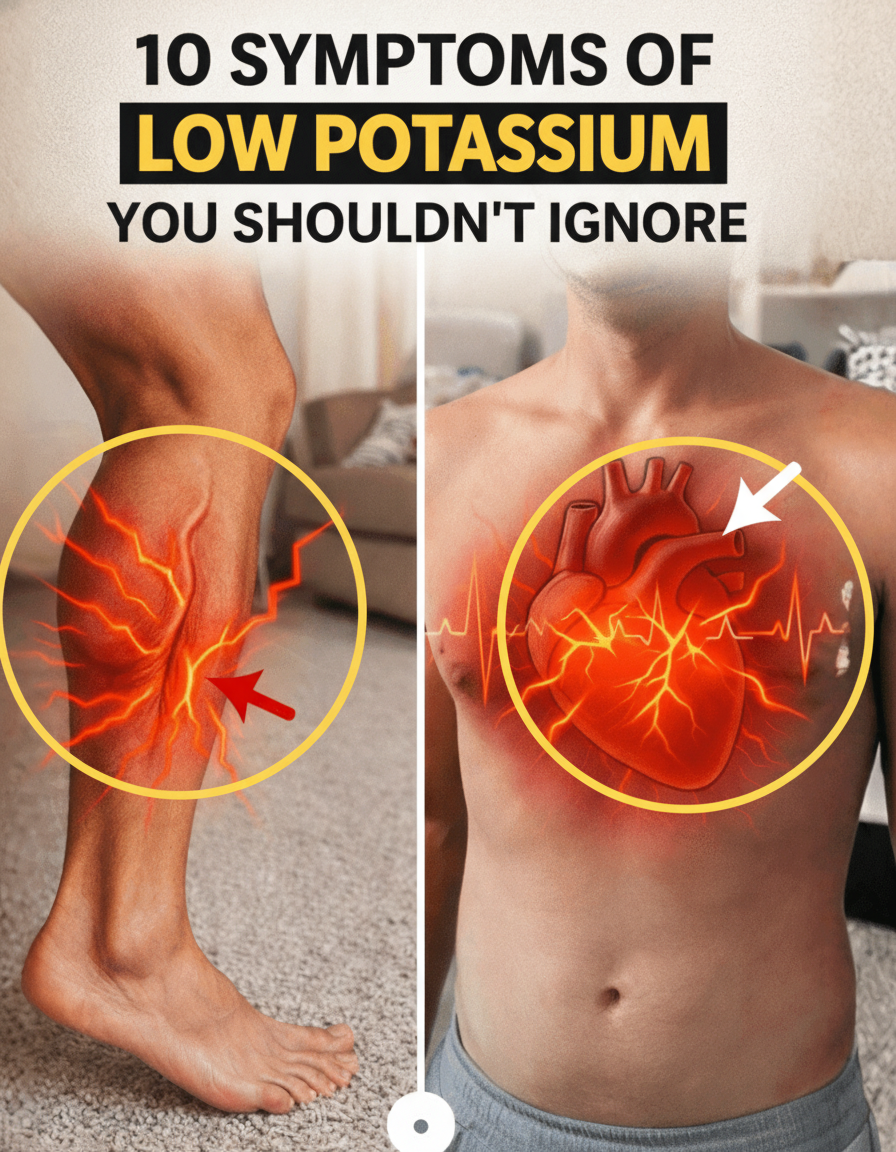
- Irregular Heartbeat or Palpitations: Potassium is indispensable for the precise electrical impulses that govern a steady heart rhythm. Insufficient levels can disrupt this delicate balance, manifesting as skipped beats, a fluttering sensation, or other erratic heart rhythms. This symptom is particularly concerning for individuals with pre-existing cardiac conditions, and any changes in heart rhythm warrant immediate medical consultation.
- Muscle Weakness and Cramps: Your muscles critically depend on adequate potassium for proper contraction and relaxation. A potassium deficiency can therefore result in generalized weakness, involuntary spasms, or painful muscle cramps, especially noticeable after physical exertion when electrolytes are naturally depleted through sweat.
- Persistent Weakness and Fatigue: Beyond direct muscle weakness, low potassium can impede overall energy production by affecting insulin release and the body’s ability to utilize blood sugar effectively. If you find yourself constantly drained or exhausted despite sufficient rest, hypokalemia could be a contributing factor.
- Digestive Issues, Including Constipation: Potassium plays a vital role in the smooth muscle contractions of the intestines, which are essential for moving food through the digestive tract. When potassium levels fall, these processes can slow down, leading to symptoms like bloating, abdominal discomfort, and persistent constipation.
- Increased Urination and Thirst: The kidneys’ ability to properly concentrate urine can be compromised by low potassium. This dysfunction may lead to more frequent trips to the bathroom and a subsequent increase in thirst, creating a cycle that can further exacerbate the electrolyte imbalance.
- Tingling or Numbness (Paresthesia): Inadequate potassium can weaken nerve signals, manifesting as paresthesia—a sensation of tingling, “pins and needles,” or numbness—often experienced in the hands, feet, arms, or legs.
- Breathing Difficulties: In severe instances, profoundly low potassium levels can impair the function of the muscles responsible for respiration, leading to shortness of breath. This is a serious symptom that necessitates immediate medical attention.
- Brain Fog: Cognitive function can also be affected by low potassium, leading to symptoms often described as “brain fog.” This can include difficulty concentrating, memory issues, or a general feeling of mental sluggishness.