 By admin
 The Silent Strain: 9 Everyday Foods That May Be Harming Your Kidneys
You might grab a quick snack or add extra flavor to your meals without a second thought, but some common foods could be silently stressing your kidneys. Over time, ingredients like high sodium or hidden minerals force these vital organs to work harder, potentially leading to issues like elevated blood pressure or persistent fatigue.
This isn’t about panic; it’s about empowerment. Understanding the impact of your dietary choices can help you feel more energized and in control of your health. The good news? Knowing which foods to watch allows you to make simple, smart swaps that keep your meals delicious and kidney-friendly.
How Certain Foods Can Challenge Kidney Function
Your kidneys are incredible natural filters, constantly removing waste and balancing minerals. However, regularly consuming foods high in sodium, potassium, or phosphorus can put extra pressure on them. This strain is especially significant if you have risk factors like age, high blood pressure, or a family history of kidney issues.
Studies from organizations like the National Kidney Foundation highlight that diets overloaded with these elements can gradually affect kidney performance over the years. The great news is that even small dietary adjustments can make a big difference, helping you feel better and supporting long-term wellness.
The Silent Culprits: 9 Foods to Watch Out For
Experts from leading health organizations often emphasize the need to limit certain items for optimal kidney health. Here’s a closer look at nine common foods worth monitoring, along with simple reasons why and quick tips for smarter choices:
-
1. Dark-Colored Sodas
Why: These drinks contain added phosphorus from phosphoric acid. When kidney function is compromised, phosphorus can build up, potentially contributing to bone and blood vessel concerns.
Smart Swap: Opt for water or herbal tea for a refreshing alternative without the hidden load.
-
2. Processed Deli Meats
Why: Ham, bacon, sausage, and lunch meats are packed with sodium and preservatives. High sodium intake elevates blood pressure, forcing kidneys to work overtime.
Smart Swap: Choose fresh turkey, chicken, or plant-based protein options instead.
-
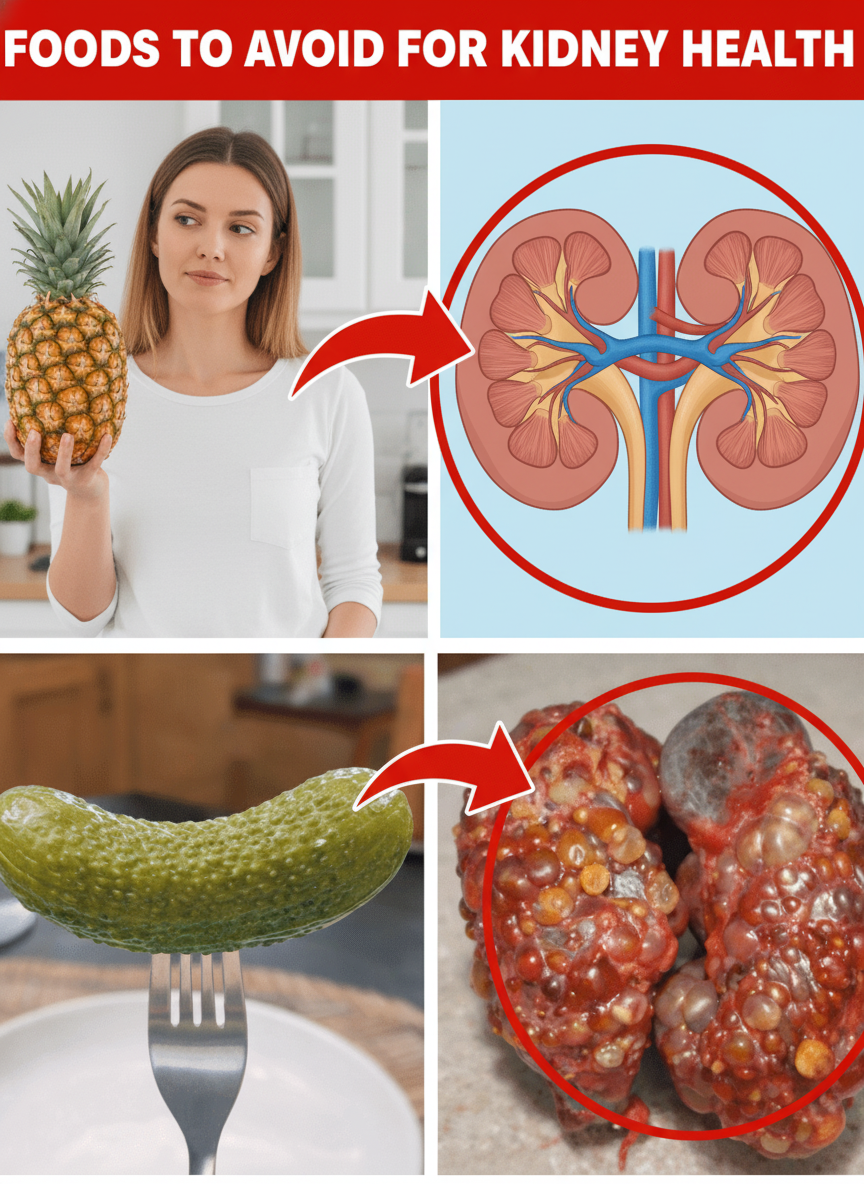
3. Pickles and High-Sodium Condiments
Why: Just one pickle spear can deliver hundreds of milligrams of sodium, leading to fluid retention and increased pressure on your kidneys, especially with frequent consumption.
Smart Swap: Look for low-sodium pickle versions or enjoy fresh cucumber slices with herbs for that tangy crunch.
-
4. Canned Foods
Why: Canned soups, vegetables, and beans often contain high levels of added salt for preservation, easily pushing daily sodium intake above recommended limits and quietly affecting fluid balance.
Smart Swap: Rinse canned goods thoroughly, choose “no-salt-added” versions, or opt for fresh or frozen alternatives.
-
5. Bananas
Why: While nutritious, bananas are high in potassium. Healthy kidneys typically manage this well, but for some, excess potassium can be difficult to process and may subtly affect heart rhythm.
Smart Swap: Enjoy smaller portions or choose lower-potassium fruits to keep sweetness without overload.
-
6. Avocados
Why: This creamy favorite offers healthy fats but also a significant amount of potassium. The mineral content can add up quickly, often unnoticed.
Smart Swap: Practice portion control or pair avocados with lower-potassium sides to safely keep guacamole on the menu.
-
7. Potatoes and Sweet Potatoes
Why: These common staples are rich in potassium and phosphorus, particularly when eaten with the skin on or in large servings.
Smart Swap: Boiling can help reduce mineral levels, and limiting frequency supports an easier kidney workload. Try cauliflower mash for a comforting, lower-mineral texture.
-
8. Full-Fat Dairy Products
Why: Milk, cheese, and yogurt provide phosphorus, which can accumulate more easily when kidneys are less effective at filtering. Saturated fats also add a challenge for overall circulation.
Smart Swap: Consider lower-phosphorus plant milks or enjoy smaller amounts of cheese to get calcium benefits without extra strain.
-
9. Dried Fruits
Why: Raisins, apricots, and dates concentrate potassium and natural sugars, making them easy to overeat. A small handful can quickly exceed daily mineral limits.
Smart Swap: Fresh fruits offer similar chewiness and sweetness with significantly less concentrated mineral content.
Your kidneys work tirelessly, and by making informed choices about what you eat, you can support their health and your overall well-being. Small changes truly lead to big results when it comes to protecting these vital organs.