 By Trung Pham
 The Silent Signals: What Your Splitting Nails Are Trying to Tell You
Have you ever found yourself frustrated by a jagged, split nail, perhaps after a routine task like opening a door? This common occurrence isn’t merely a minor inconvenience; it can lead to tender fingertips and even feelings of self-consciousness in social or professional settings. While these frequent nail breaks might seem like a trivial issue, they often serve as subtle indicators of underlying daily routines, nutritional deficiencies, or other significant factors that warrant your attention.
It’s understandable how disheartening persistent nail fragility can be. However, there’s good news: many individuals experience substantial improvements by implementing a few straightforward adjustments. Continue reading, as we’ll explore the root causes of brittle nails and reveal a surprisingly simple daily practice that can dramatically boost your nail strength and overall health.
Why Do Nails Become Brittle and Prone to Splitting?
Brittle nails, medically termed onychoschizia, affect approximately 20% of the global population, according to extensive dermatological research. This condition is observed more frequently in women, particularly those over the age of 50. Symptoms typically include horizontal splitting at the nail tips, peeling in distinct layers, or easy breakage with minimal force. The fundamental reason for this lies in the nail’s primary composition: keratin. This robust protein, also found in hair and skin, forms the structural integrity of your nails. When the keratin framework weakens, nails lose their inherent flexibility and become significantly more fragile.
The encouraging news is that the majority of factors contributing to nail brittleness are linked to everyday activities and are often easily manageable. However, the full picture involves more than just daily wear and tear. Let’s delve into some prevalent habits that play a significant role in compromising nail health.
Everyday Habits That Can Weaken Nails
Consider the frequent exposure of your hands to water throughout the day. Regular hand washing, especially with hot water and strong soaps, strips away the natural protective oils essential for maintaining nail suppleness. Over time, this dehydrating effect leads to increased brittleness, making nails more susceptible to cracks and splits. The impact doesn’t stop there.
Household cleaning agents, nail polish removers containing acetone, and even low humidity levels indoors can exacerbate the problem. Research indicates that repeated cycles of wetting and drying cause the nail layers to expand and contract, intensifying their fragility. Furthermore, many individuals find that frequent manicures contribute to nail weakening. Gel or acrylic applications, if not removed with extreme care, can thin the natural nail plate. If these chores or beauty routines resonate with your experience, they could be key contributors to your nail concerns.
Aging and Lifestyle Factors That Influence Nail Strength
As we age, the natural growth rate of nails decelerates, and the nail plates themselves often become thinner and less elastic. This physiological change frequently results in increased ridges, splitting, and breakage. Hormonal fluctuations, such as those experienced during menopause or andropause, can also diminish the nails’ capacity to retain vital moisture, as highlighted by various health experts.
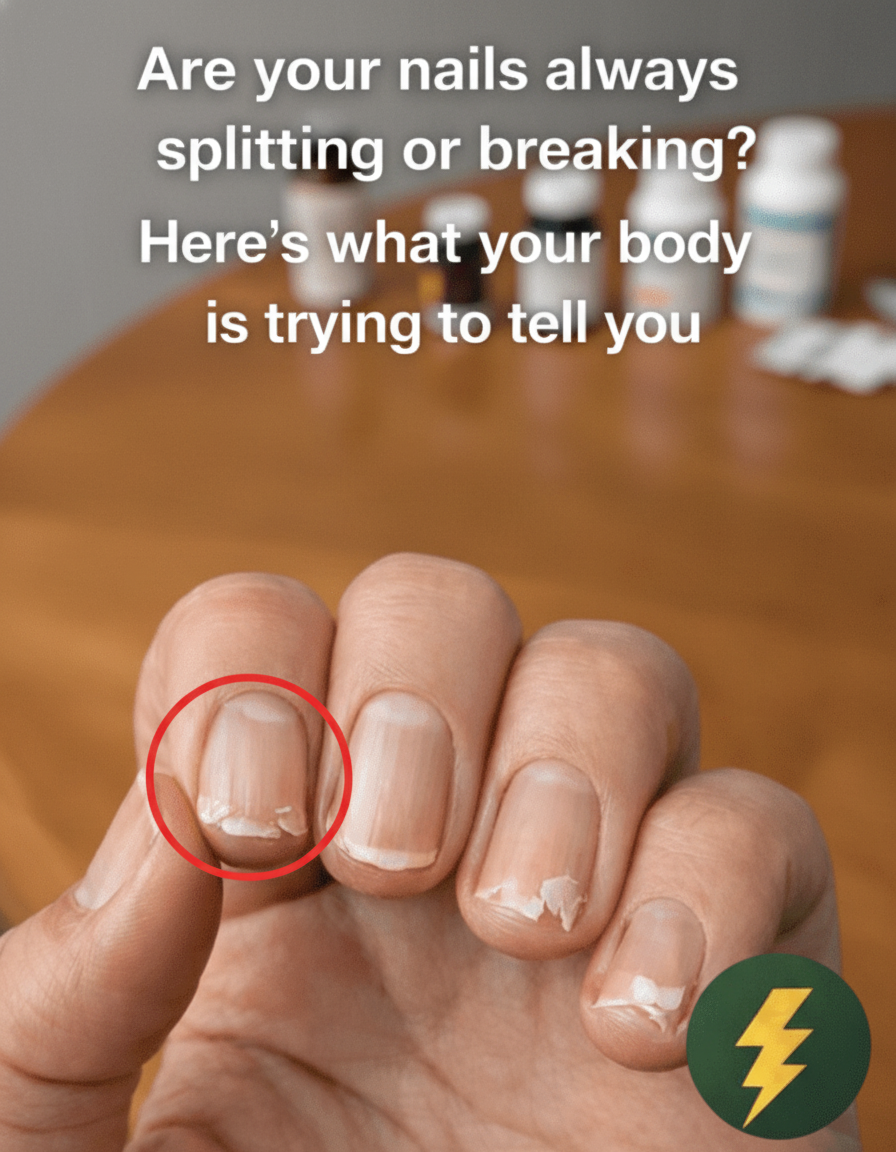
Beyond natural aging, certain lifestyle choices can amplify these changes. Smoking, for instance, constricts blood vessels, thereby reducing blood flow to the extremities, including fingers and toes, which limits the delivery of essential nutrients. High levels of stress can sometimes manifest as unconscious habits like nail biting or picking, adding further wear and tear to already vulnerable nails. Have you noticed your nails feeling more fragile in recent years? These subtle shifts might be an integral part of the overall picture.
Nutritional Factors That Affect Nail Health
The strength and health of your nails are directly influenced by your dietary intake. Nails require a consistent supply of specific nutrients to produce robust keratin. When there’s a shortfall in these vital nutrients, symptoms like brittleness and splitting can emerge.
Iron is one such crucial nutrient. Low iron levels, frequently linked to anemia, are associated with fragile nails, as documented in research published in the American Journal of Clinical Dermatology. This deficiency is particularly common among women experiencing heavy menstrual cycles or those with restricted dietary variety. Biotin, a B-vitamin, plays a supportive role in the keratin infrastructure. While results can vary, some studies suggest that biotin supplementation may improve nail thickness in cases of deficiency. Other nutrients like zinc, protein, and omega-3 fatty acids also contribute significantly to nail health—zinc supports growth, protein provides the fundamental building blocks, and omega-3s help maintain essential moisture. Staying adequately hydrated is equally important; dehydration impacts the entire body, including the nails, making them drier and more susceptible to cracking.
Underlying Health Conditions to Keep in Mind
In less common scenarios, persistently brittle nails may signal other underlying health issues. For example, thyroid imbalances, such as hypothyroidism, can manifest as dry, splitting nails, often alongside symptoms like fatigue or unexplained weight changes. Medical reviews frequently note that improving thyroid function typically leads to a noticeable enhancement in nail appearance. Conditions affecting circulation, such as Raynaud’s phenomenon, can restrict blood flow to the fingers, impacting nail vitality.
Certain skin conditions like psoriasis or eczema may also involve the nails, causing ridges, discoloration, or increased fragility. Similarly, fungal infections can produce comparable symptoms, often accompanied by distinct changes in nail color or texture. It’s also worth noting that various medications can temporarily affect nail strength as a side effect. If you suspect your brittle nails are linked to a deeper health concern, consulting a healthcare professional is always advisable.
By understanding these various factors, you can take proactive steps toward healthier, stronger nails. And remember that surprisingly simple daily habit we mentioned earlier? Consistent moisturizing of your hands and nails with a rich cream or oil can make a profound difference in preventing dryness and maintaining nail flexibility. Make it a regular part of your routine for visibly improved nail strength and appearance!