 By admin
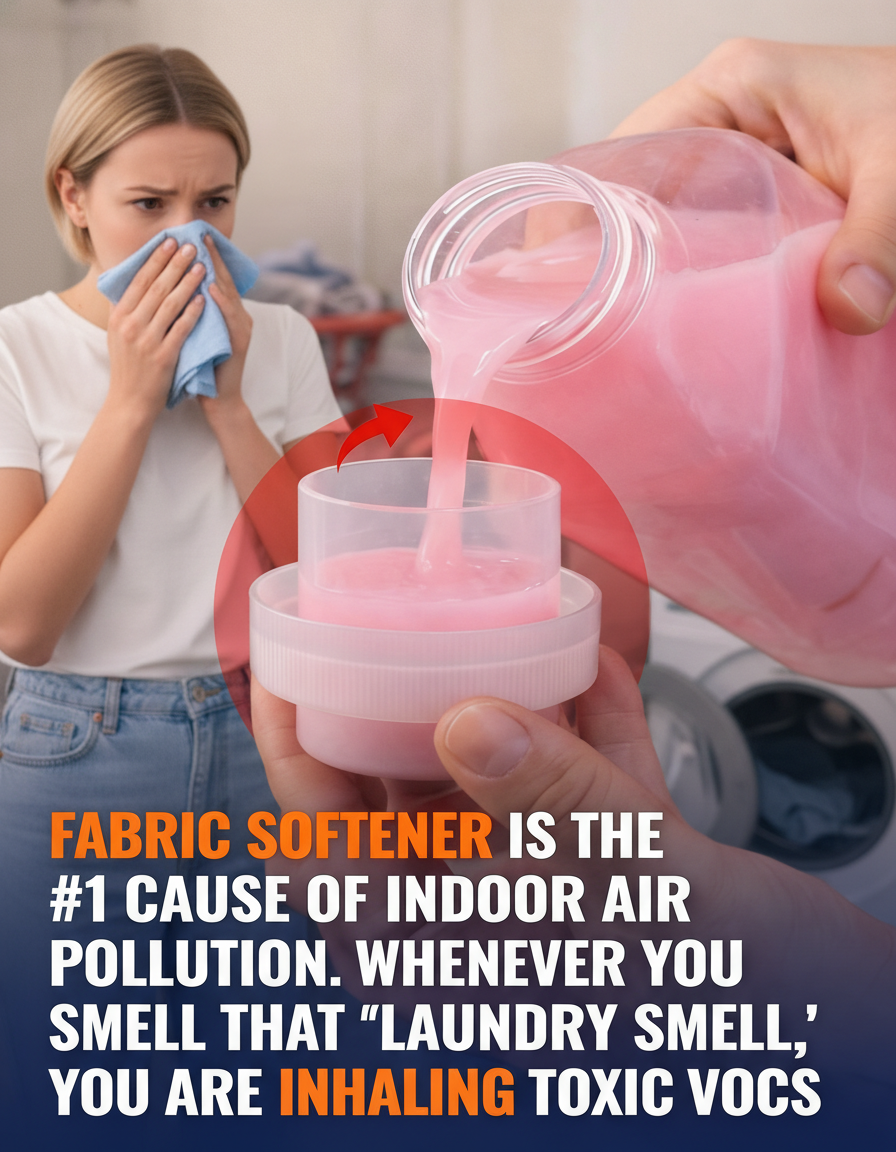
 That inviting, fresh-from-the-dryer aroma and the luxurious softness of your clothes might seem like an innocent pleasure. However, these familiar sensations often come courtesy of fabric softeners, products known to release a cocktail of chemicals, specifically volatile organic compounds (VOCs), directly into your living space. Many users are unaware that while enjoying the tactile comfort and pleasant scent, they could be contributing to indoor air pollution that potentially irritates eyes, nose, and throat, or even triggers headaches and respiratory discomfort, particularly for those with heightened sensitivities. Scientific investigations, including studies specifically on fragranced laundry items, have identified concerning VOCs such as acetaldehyde and benzene among the emissions from dryers using these products. The good news is that adopting natural alternatives can significantly reduce your exposure while still keeping your laundry soft and fresh. Continue reading to uncover practical steps and understand the profound importance of making this switch for your household’s well-being.
What Exactly Are Volatile Organic Compounds (VOCs) and Why Do They Matter Indoors?
Volatile Organic Compounds, or VOCs, are a diverse group of carbon-based chemicals that easily evaporate into the air at room temperature. They are commonly found in a wide array of everyday household products, ranging from paints and cleaning supplies to, as we’re discussing, fabric softeners. Because these compounds readily become airborne, they are pervasive in indoor environments, where limited ventilation can allow them to accumulate. Research from authoritative bodies like the U.S. Environmental Protection Agency (EPA) highlights that indoor VOC levels can frequently be two to five times higher than those outdoors, partly due to the regular use of such consumer products.
In the context of fabric softeners, VOCs primarily originate from synthetic fragrances, preservatives, and various other additives designed to impart that desired softness and appealing aroma to your garments. The critical concern arises when you use liquid fabric softener in your wash or dryer sheets in the machine; these VOCs don’t simply vanish. Instead, they are released into the air through dryer vents and persist on treated fabrics, eventually off-gassing into your home. A notable study analyzing dryer emissions detected more than 25 different VOCs, some of which are categorized as hazardous air pollutants. Furthermore, the sustained presence of these compounds in the air we breathe can lead to noticeable short-term discomfort for many individuals.
Immediate Health Impacts: Short-Term Effects of VOC Exposure
Inhaling VOCs released from scented laundry products can provoke immediate adverse reactions, especially in sensitive individuals. Common acute symptoms often include:
- Irritation of the eyes, nose, and throat
- Coughing, wheezing, or other respiratory discomfort
- Headaches and feelings of lightheadedness or dizziness
- Skin irritation or rashes, which can result from direct contact with fabrics treated with these chemicals
These symptoms are frequently more pronounced in individuals already suffering from conditions such as asthma, allergies, or chemical sensitivities, a pattern consistently observed by medical professionals like pulmonologists in cases of chronic low-level indoor exposure. That seemingly pleasant “fresh laundry” scent, cherished by many, is often a complex mixture of these very compounds, which can ironically make indoor spaces feel stuffy and unhealthy, even with windows open.
Long-Term Concerns: The Cumulative Impact of Ongoing Exposure
While individual reactions vary, scientific studies suggest that repeated, long-term exposure to specific VOCs may contribute to more persistent health challenges. These can include:
- Exacerbation of pre-existing respiratory conditions, such as asthma or chronic bronchitis
- Increased general irritation and sensitivity within enclosed living spaces over time
- Broader negative impacts on air quality, as some VOCs contribute to the formation of outdoor smog when vented from homes
Compounds like acetaldehyde and benzene have garnered significant attention in research investigating laundry emissions. It’s particularly concerning that the EPA, in certain contexts, states there is no safe level of exposure for benzene, although everyday household concentrations fluctuate widely. These potential long-term risks underscore the critical importance of actively reducing unnecessary sources of indoor pollutants to safeguard overall health and well-being.
Beyond Your Home: The Environmental Footprint of Fabric Softeners
The impact of fabric softeners extends far beyond your immediate indoor environment, creating a cascade of effects on the wider ecosystem. Consider these three key environmental concerns:
- Atmospheric Pollution: As dryer vents release VOCs into the atmosphere, they become contributors to outdoor air pollution and the formation of ground-level ozone, commonly known as smog.
- Water Contamination: Wastewater from laundry cycles carries surfactants, preservatives, and synthetic fragrances into drainage systems and, eventually, natural waterways. Many of these chemicals are not fully biodegradable and can pose significant threats to aquatic life and ecosystems.
- Waste Generation: The packaging for conventional fabric softeners—typically single-use plastic bottles or non-recyclable dryer sheets—adds substantially to landfill waste, exacerbating our global plastic pollution crisis.
By opting out of these products, you simultaneously reduce indoor air pollution, mitigate outdoor emissions, and decrease unnecessary waste. Here’s a concise comparison to illustrate the distinct differences:
| Aspect | Conventional Fabric Softeners | Natural Alternatives |
|---|---|---|
| VOC Emissions | High (from synthetic fragrances & chemicals) | Low to none |
| Biodegradability | Often partial or poor | High (e.g., vinegar, wool) |
| Reusability | Predominantly single-use | Reusable (wool dryer balls, etc.) |
| Packaging Waste | Plastic bottles/sheets, significant | Minimal or none (e.g., bulk vinegar, reusable items) |
| Cost Over Time | Ongoing, recurring purchases | Often a one-time investment or very low cost |
Making the conscious decision to switch isn’t merely a health choice; it represents a tangible and meaningful step towards a more sustainable and healthier planet.
Simple, Effective, and Eco-Friendly Alternatives to Try Today
Transitioning away from chemical-laden fabric softeners doesn’t mean sacrificing soft, fresh-smelling laundry. Numerous effective and natural alternatives can achieve the same results without the associated health and environmental risks:
- White Vinegar: Add about half a cup of distilled white vinegar to your washing machine’s fabric softener dispenser during the rinse cycle. Don’t worry, the vinegar smell dissipates completely as clothes dry, leaving them soft, static-free, and odor-neutralized. It’s also a mild disinfectant and helps break down detergent residue.
- Wool Dryer Balls: These reusable balls help soften clothes naturally, reduce drying time by up to 25%, and effectively minimize static cling. For a light fragrance, you can add a few drops of essential oil (like lavender or lemon) directly to the wool balls before tossing them into the dryer.
- Baking Soda: Adding half a cup of baking soda to the wash cycle can help soften water, neutralize odors, and leave clothes feeling fresher.
Embracing these natural solutions is an effortless way to enhance your indoor air quality, protect your family’s health, and contribute positively to environmental sustainability. Make the switch today for a healthier home and a greener planet.