 By admin
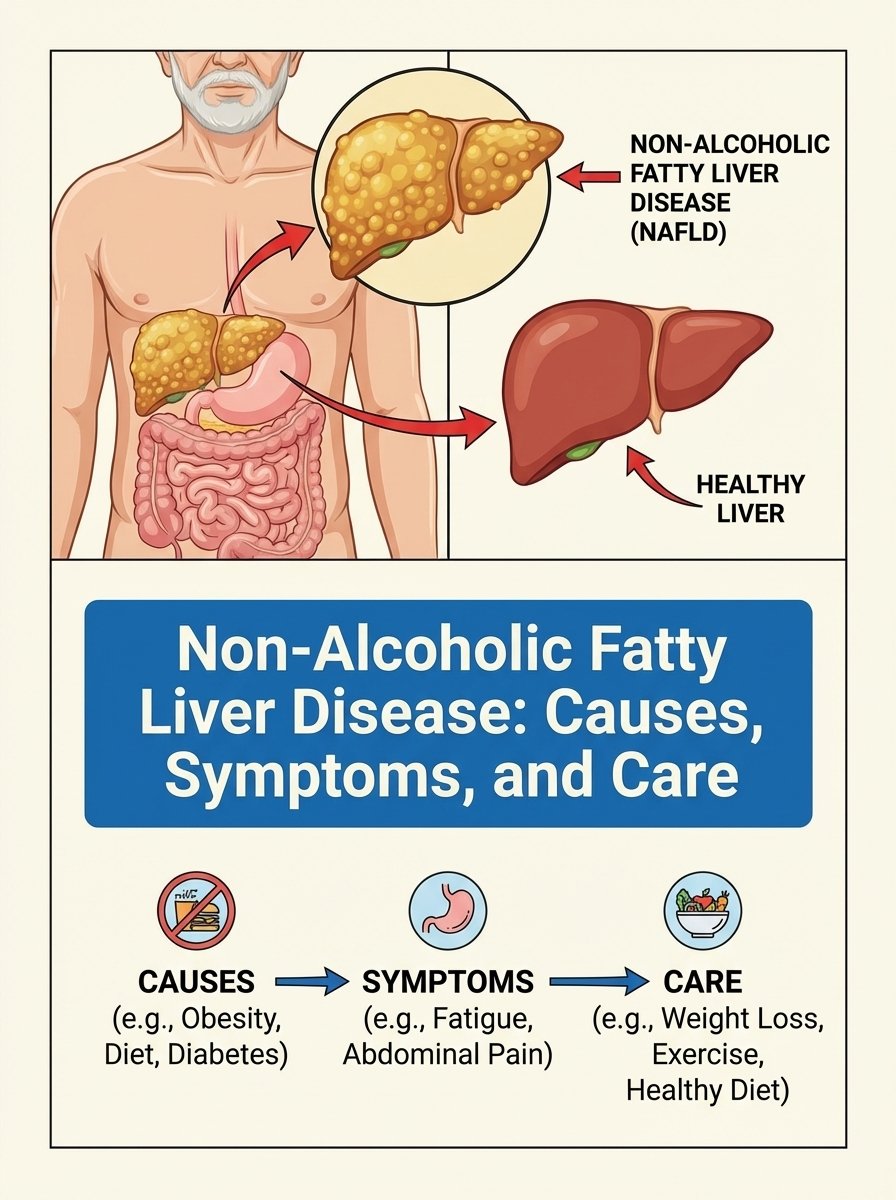
 Imagine a silent threat lurking within your body, slowly damaging one of your most vital organs without a single warning sign. This isn’t a sci-fi plot; it’s the reality for millions worldwide facing Non-Alcoholic Fatty Liver Disease (NAFLD). This prevalent liver condition is characterized by an excessive accumulation of fat within liver cells, impacting individuals who consume minimal to no alcohol. Crucially, NAFLD is distinct from other liver ailments and currently affects a staggering quarter of the global population.
While often remaining undetected and symptom-free in its initial phases, NAFLD carries the significant risk of escalating into severe liver complications if it goes unaddressed. These can include debilitating inflammation, the formation of fibrous scar tissue (fibrosis), advanced scarring known as cirrhosis, and in the most serious instances, even liver cancer.
Unmasking the Causes of NAFLD
Several interconnected risk factors significantly contribute to the development and progression of non-alcoholic fatty liver disease, making it a complex condition driven by modern lifestyle elements:
- Being overweight or experiencing obesity
- Living with prediabetes or diagnosed type 2 diabetes
- Experiencing high blood pressure (medically known as hypertension)
- Elevated levels of cholesterol and triglycerides in the blood
- Suboptimal eating habits, often characterized by diets rich in processed foods, excessive sugar, and unhealthy fats
- Leading a largely inactive or sedentary lifestyle
These metabolic conditions are frequently intertwined, often appearing in combination, which collectively amplifies the likelihood of fat accumulating within the liver.
The Elusive Symptoms of Fatty Liver Disease
For the vast majority of individuals afflicted with NAFLD, noticeable symptoms are conspicuously absent, particularly during the disease’s initial and milder phases. However, as the condition advances and becomes more severe, some people might begin to experience a range of subtle indicators:
- Mild abdominal discomfort, frequently localized to the upper right quadrant of the abdomen
- Persistent fatigue and a noticeable reduction in energy levels
- A general sensation of feeling unwell or malaise
In the more critical, advanced stages, especially once cirrhosis has developed, the symptoms become far more pronounced and can include:
- Significant fluid accumulation within the abdominal cavity, a condition known as ascites
- Jaundice, characterized by a distinct yellowing of both the skin and the whites of the eyes
- Disturbances in sleep patterns or periods of confusion, indicative of hepatic encephalopathy
- Incidences of digestive bleeding
Diagnosing NAFLD: What to Expect
The diagnosis of NAFLD typically relies on advanced imaging techniques specifically designed to identify the presence of fat within the liver. These crucial diagnostic tools include:
- Ultrasound examinations
- CT scans (computed tomography scans)
- MRIs (magnetic resonance imaging)
Furthermore, routine blood tests play a vital role in evaluating overall liver function, specifically by measuring levels of key enzymes such as TGO (AST), TGP (ALT), and ferritin.
In certain scenarios, more specialized investigations, such as liver elastography (which assesses liver stiffness) or a liver biopsy, may become necessary to precisely determine the stage and overall severity of the disease.
Navigating Treatment Options for NAFLD
As of now, there isn’t a single, targeted medication capable of completely eradicating liver fat. Consequently, the cornerstone of managing and treating NAFLD revolves around implementing significant and sustained lifestyle modifications, encompassing key areas such as:
- Achieving gradual and healthy weight loss
- Adopting a healthy and meticulously balanced dietary regimen
- Engaging in consistent and regular physical activity
Ongoing medical supervision is absolutely crucial, not only for accurately identifying any underlying contributing factors but also for providing personalized guidance throughout the treatment journey. In specific instances, healthcare providers might prescribe medications to effectively manage co-existing conditions like diabetes or high cholesterol, which frequently accompany NAFLD.
Prevention is Key: Safeguarding Your Liver Health
The most effective strategy for preventing NAFLD involves proactively embracing and maintaining a set of healthy lifestyle habits that nurture your liver and overall well-being:
- Strive to maintain a healthy body weight that is appropriate for your height and build
- Commit to consuming a balanced diet, generously rich in fresh fruits, vibrant vegetables, and wholesome whole foods
- Incorporate regular physical exercise into your daily or weekly routine
- Consciously limit or entirely avoid excessive consumption of added sugars, refined carbohydrates, and highly processed food items
- Practice moderation when it comes to alcohol intake
- Completely abstain from smoking tobacco products
Adopting these fundamental habits not only provides robust protection for your liver but also profoundly enhances your overall health, significantly diminishing the risk of developing numerous chronic diseases.
Your Liver’s Future: Final Thoughts
Non-Alcoholic Fatty Liver Disease is rapidly emerging as a critical global health concern, with its prevalence largely fueled by prevalent modern lifestyle choices. The encouraging news, however, is that this condition is often both preventable and, in its earlier stages, reversible through the diligent adoption of healthy living practices.
If you harbor any suspicions that you might be at risk or are experiencing potential symptoms, it is imperative to consult a trusted healthcare professional without delay for a thorough evaluation and personalized guidance.