 By admin
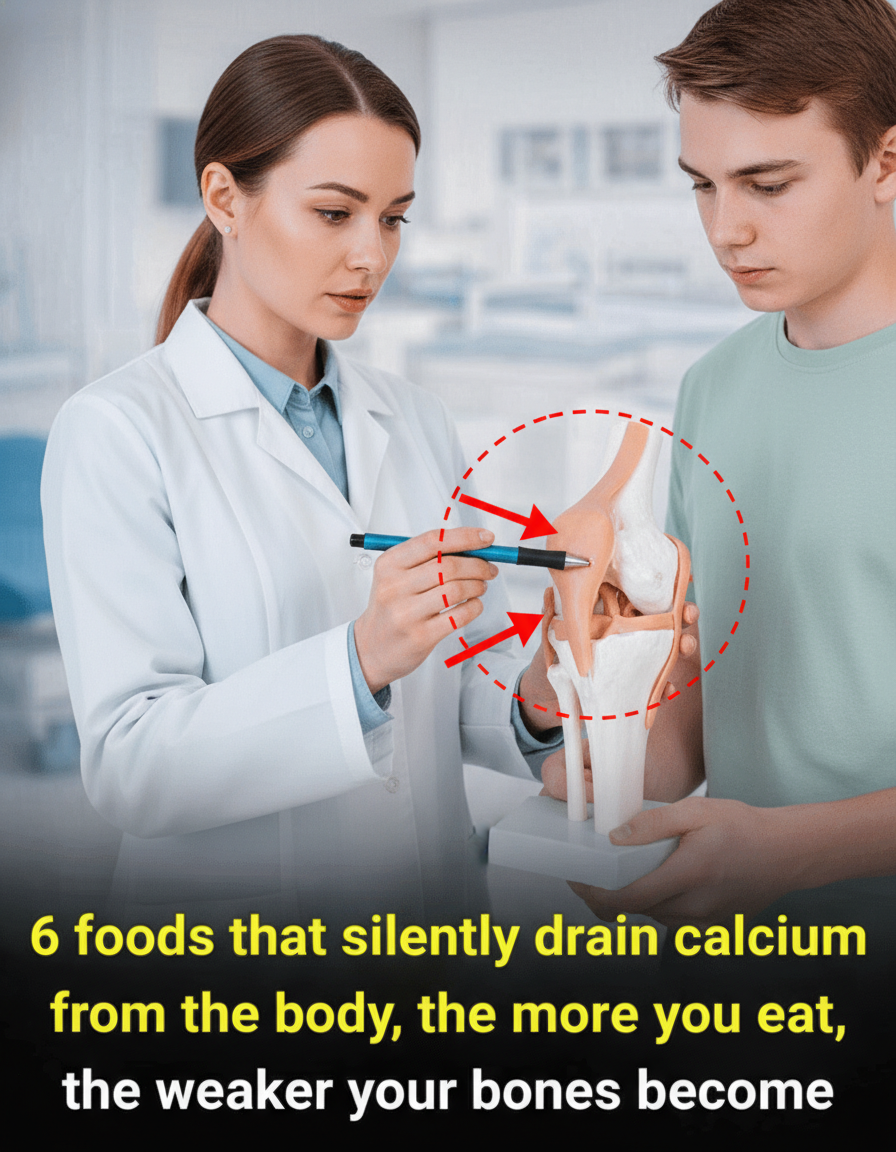
 The Silent Calcium Saboteurs: 6 Everyday Foods That Could Be Weakening Your Bones
Calcium is more than just a mineral; it’s the bedrock of your skeletal system, essential for maintaining strong bones and teeth. Beyond structural support, this vital nutrient plays a crucial role in muscle contraction, nerve signal transmission, and even hormone secretion. However, as we age, safeguarding our calcium reserves becomes increasingly challenging. Many individuals find themselves grappling with concerns about bone thinning, increased fracture risk, or the creeping worry of osteoporosis impacting their independence.
What’s often overlooked is that certain everyday foods and beverages, consumed regularly, can subtly undermine our body’s ability to absorb calcium or accelerate its loss. This silent depletion can gradually weaken bones without any overt symptoms, making the problem difficult to detect until it’s more advanced. But what if understanding these dietary culprits could empower you to protect your bone health proactively? Continue reading to discover which foods to approach with caution and explore practical, bone-friendly alternatives.
🥤 Understanding the Dietary Impact on Your Calcium Levels
Our bodies cannot produce calcium, making dietary intake absolutely essential. Health authorities like the Cleveland Clinic emphasize that over 99% of the body’s calcium is stored in bones and teeth, providing their rigid structure, while the remaining fraction supports critical physiological functions. Intriguingly, various compounds found in common foods—such as phosphoric acid, high sodium content, caffeine, oxalates, and excessive phosphorus—can interfere with this delicate balance. They might bind to calcium, hindering its absorption, or signal the kidneys to excrete more of it through urine.
Extensive research, including insights from the National Institutes of Health, suggests that a consistent, high intake of these calcium-draining foods may contribute to a gradual reduction in bone mineral density over time. For many, this manifests as unexplained aches, slower recovery from injuries, or worrying findings during routine medical check-ups. Becoming aware of these dietary factors is a simple yet powerful step towards nurturing your long-term bone health and resilience.
⚠️ 1. Carbonated Soft Drinks (Especially Colas)
Many popular cola beverages contain phosphoric acid, an ingredient that can disrupt the body’s natural calcium-phosphorus equilibrium. When phosphorus levels are too high relative to calcium, the body may draw calcium from bones to restore balance, leading to increased calcium loss. Furthermore, the high sugar content in these drinks can contribute to systemic inflammation, which is also detrimental to bone strength. Numerous studies have linked regular consumption of carbonated soft drinks to lower bone mineral density, a concern particularly pronounced in older adults. If sodas are a frequent part of your diet, this consistent, quiet drain on your calcium stores could leave your bones more susceptible to weakening over time.
Bone-friendly alternatives: Opt for sparkling water infused with fresh lemon or berries, refreshing herbal teas, or plain filtered water to quench your thirst without compromising your bone health.
🧂 2. High-Sodium Processed Foods
Consuming excessive amounts of sodium triggers the kidneys to excrete more calcium in the urine, directly impacting your body’s calcium reserves. Unfortunately, hidden sodium abounds in many processed snacks, fast food meals, canned soups, and even seemingly innocuous restaurant dishes. Large-scale population studies consistently demonstrate a correlation between diets high in sodium and greater bone calcium loss over several years. This insidious, gradual effect can be particularly disheartening when routine bone density scans reveal unexpected declines.
Simple dietary shift: Make a habit of reading food labels carefully, prioritize fresh, whole foods whenever possible, and enhance flavors with herbs, spices, and natural seasonings instead of relying heavily on salt. This eases the burden on your calcium levels.
☕ 3. Excessive Caffeine Consumption
Caffeine, found in coffee, tea, and energy drinks, can lead to a slight increase in calcium excretion through urine. While moderate caffeine intake (typically 1-2 cups of coffee or tea daily) is generally considered safe for most healthy adults, higher consumption might slowly erode your calcium stores. Research suggests that this effect, though small per serving, can be cumulative, potentially becoming more significant for individuals whose overall calcium intake is already low. If your daily routine involves multiple cups of strong coffee or several energy drinks, this habit could subtly contribute to calcium depletion concerns.
Balance tip: Savor your caffeinated beverages mindfully. Consider pairing them with calcium-rich foods like yogurt or a splash of milk. Exploring decaffeinated options, especially later in the day, can also help mitigate this effect.
🍷 4. Chronic Alcohol Consumption
Heavy and regular alcohol intake can negatively affect bone health through multiple pathways. It can impair the gut’s ability to absorb calcium and diminish the body’s vitamin D levels, which are crucial for calcium utilization. Furthermore, excessive alcohol may suppress the activity of bone-forming cells (osteoblasts) while increasing the risk of falls, which directly translates to a higher risk of fractures. Health guidelines typically recommend limiting alcohol to no more than one drink per day for women and two for men; consistently exceeding these limits is strongly associated with an increased risk of osteoporosis. The cumulative effect of frequent social drinking can represent another subtle, yet significant, way calcium is drained from your system.
Mindful approach: Incorporate non-alcoholic beverages into your routine, ensure adequate hydration, and prioritize nutrient-dense meals on days when you choose to drink.
🥩 5. Processed and Certain Red Meats
Processed meats, such as bacon, sausages, and many deli slices, often contain high levels of phosphorus from additives. While phosphorus is essential, an imbalanced excess can prompt the body to pull calcium from bones to maintain mineral equilibrium. Red meat itself is a valuable source of protein, but an over-reliance on very high animal protein diets, especially without sufficient plant-based foods, has been shown to increase the body’s calcium requirements for proper metabolic function. This often-overlooked factor, a ‘hidden drain’ on calcium, can sometimes come as a surprise during bone density screenings for avid meat-eaters.
Better balance: Diversify your protein sources by including fish, poultry, legumes (beans, lentils), nuts, and seeds alongside a generous intake of vegetables to support overall mineral harmony and bone health.
🥬 6. High-Oxalate Vegetables (e.g., Spinach, Rhubarb)
Certain healthy vegetables, like spinach, rhubarb, and beet greens, naturally contain compounds called oxalates. Oxalates can bind with calcium in the digestive tract, forming insoluble compounds that prevent the body from absorbing that calcium effectively. This doesn’t mean these nutritious greens are bad for you; they are packed with other vitamins and minerals. However, it’s important to understand that the calcium *within* these specific foods may not be fully bioavailable.
Nuanced approach: Don’t avoid these healthy vegetables! Instead, consider blanching or lightly cooking them, which can reduce their oxalate content. Also, ensure you consume other calcium-rich foods (like dairy, fortified plant milks, or calcium-set tofu) at different times or alongside these high-oxalate foods to guarantee adequate calcium absorption from your overall diet. Variety in your vegetable intake is key to maximizing nutrient benefits without inadvertently hindering calcium uptake.