 By admin
 Heavy menstrual bleeding that disrupts your daily routine. Persistent bloating causing discomfort in your favorite jeans. A dull, lingering pelvic pressure that feels far from normal. Increasingly, women in their twenties and thirties are receiving a diagnosis of uterine fibroids, often leaving them puzzled about why these growths are appearing so early in life. The surprising truth is that everyday habits, particularly your dietary choices, may play a silent yet significant role in this trend. There’s a crucial pattern many women overlook until it’s brought to their attention.
Understanding Uterine Fibroids in Simple Terms
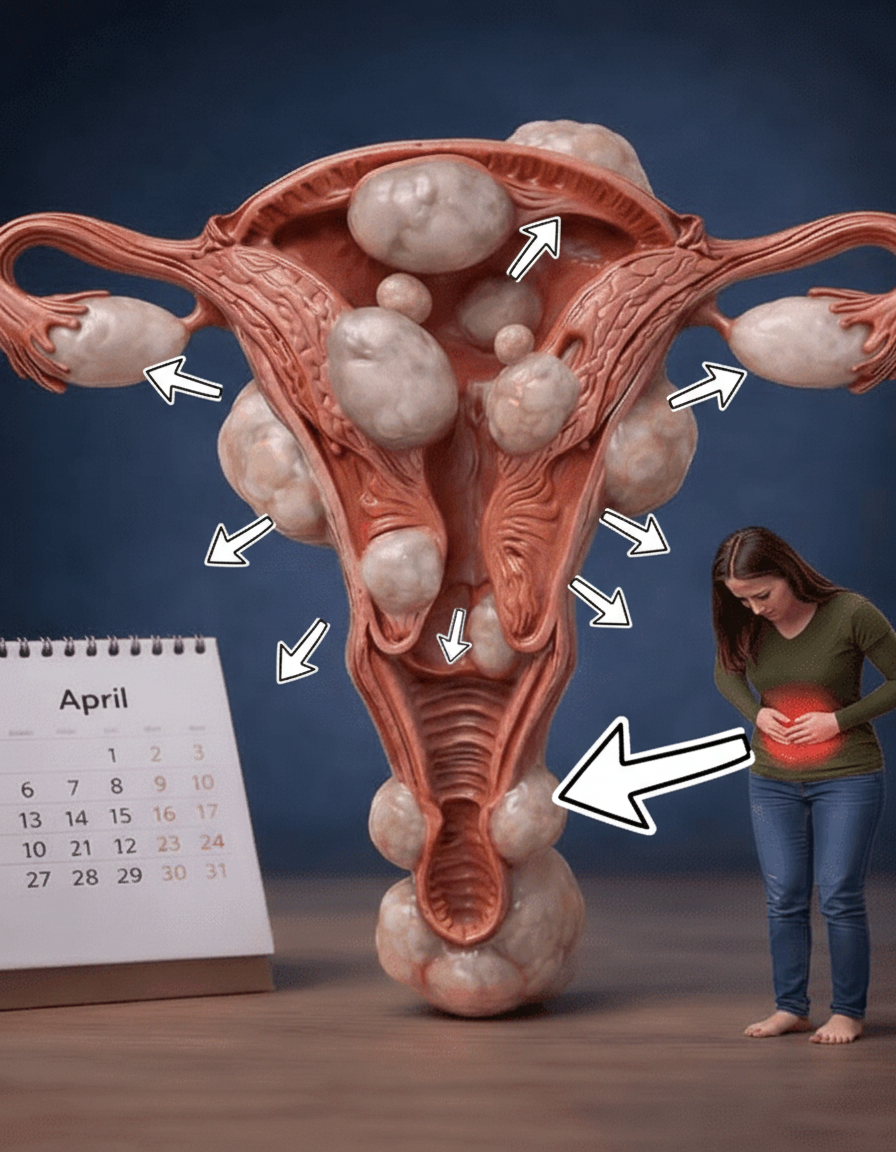
Uterine fibroids, also known as leiomyomas or myomas, are non-cancerous growths that develop within or on the muscular walls of the uterus. They are remarkably common; research indicates that up to 70-80% of women may develop them at some point during their reproductive years. While many women remain asymptomatic, others may experience a range of symptoms, including:
- Abnormally heavy or prolonged menstrual periods
- Pelvic pressure, fullness, or discomfort
- Increased frequency of urination
- Lower back pain or discomfort
- Abdominal bloating or a feeling of distension
What’s notable, however, is a discernible shift in recent years. Healthcare providers are observing a growing number of diagnoses among women in their 20s and 30s, a demographic traditionally less affected compared to those in their 40s. So, what factors are contributing to this earlier onset? Let’s delve into the potential reasons.
6 Possible Reasons Uterine Fibroids Are Appearing Earlier
1. Earlier Hormonal Shifts and Puberty Onset
Uterine fibroid growth is heavily influenced by the reproductive hormones estrogen and progesterone. While these hormones are vital for reproductive health, a greater lifetime exposure to them can encourage fibroid development. Today, girls are experiencing puberty at younger ages than previous generations. An earlier start to menstruation translates to more years of hormonal cycling throughout a woman’s life. Consequently, an increased number of menstrual cycles over time may elevate the likelihood of fibroid formation. Yet, this is only one piece of a complex puzzle.
2. Chronic Stress and Cortisol Imbalance
The demands of modern life – career pressures, financial strain, insufficient sleep, and constant digital stimulation – can significantly impact our delicate hormonal regulation. When stress levels remain consistently high, the body’s primary stress hormone, cortisol, can stay elevated. Chronic stress has the potential to disrupt the intricate balance of reproductive hormones and may influence inflammatory pathways within the body. Emerging research suggests a link between long-term stress, systemic inflammation, and fibroid development. While this connection is still undergoing extensive study, the emerging pattern is becoming increasingly clear.
3. Environmental Exposures to Endocrine Disruptors
Certain chemicals found in everyday products, such as plastics, cosmetics, and highly processed foods, are known as endocrine disruptors. These compounds can mimic or interfere with the body’s natural hormones, particularly estrogen. Common sources of these endocrine-disrupting chemicals (EDCs) include:
- Bisphenol A (BPA) found in plastic containers and food linings
- Certain pesticides used on conventionally grown produce
- Some preservatives and artificial ingredients in packaged foods
- Synthetic fragrances and parabens in personal care products
Over time, consistent exposure to these substances can contribute to hormonal imbalances, potentially fostering an environment conducive to fibroid growth. However, this isn’t the only external factor at play.
4. Rising Rates of Obesity and Insulin Resistance
Adipose tissue (body fat) is far more than just stored energy; it’s a hormonally active organ. Higher levels of body fat can lead to increased estrogen production, contributing to hormonal imbalances. Furthermore, elevated insulin levels, often associated with insulin resistance, may stimulate growth factors that influence fibroid development. Studies have consistently shown that women with a higher body mass index (BMI) may face an increased likelihood of developing fibroids. This isn’t to say that weight alone causes fibroids, but rather that overall metabolic health plays a crucial role. And, critically, diet is central to metabolic well-being.
5. Shifting Reproductive Timelines and Delayed Pregnancy
Many women are making empowering and understandable choices to start families later in life. However, pregnancy temporarily alters hormonal exposure patterns significantly. Some researchers theorize that earlier pregnancies might influence fibroid behavior by temporarily reducing estrogen exposure and reshaping the uterine environment. While delaying pregnancy is not a direct cause of fibroids, these shifting reproductive timelines may modify hormonal exposure in ways that scientists are still working to fully comprehend.
6. Dietary Patterns That Promote Inflammation and Hormonal Imbalance
Here’s where the connection becomes particularly compelling. Contemporary diets frequently feature:
- A high intake of ultra-processed foods
- Excessive consumption of refined sugars and simple carbohydrates
- Frequent consumption of red and processed meats
- Insufficient fiber intake
- Minimal consumption of fresh fruits and vegetables
Scientific evidence suggests that dietary patterns rich in processed items and low in nutrient-dense whole foods can contribute to systemic inflammation and disrupt hormonal equilibrium. While inflammation doesn’t directly create fibroids overnight, chronic inflammatory states can, over time, cultivate an internal environment that supports their growth and proliferation. This is an area where many women possess more control over their health than they might realize.
How Food May Quietly Influence Fibroid Risk
Food doesn’t function as a simple on-off switch for fibroid development. Instead, it acts as a powerful modulator, influencing hormone metabolism, inflammatory responses, and insulin sensitivity within the body. By making conscious dietary choices, women can potentially mitigate risk factors and support overall uterine health.
Foods That May Support Hormone Balance and Reduce Inflammation:
- Leafy Greens: Such as spinach, kale, collard greens, rich in fiber and antioxidants, supporting detoxification.
- Cruciferous Vegetables: Like broccoli, cauliflower, cabbage, and Brussels sprouts, containing indole-3-carbinol (I3C) which aids in estrogen metabolism.
- Berries: Blueberries, raspberries, and strawberries are packed with antioxidants and vitamin C, combatting oxidative stress.
- Whole Grains: Oats, quinoa, brown rice, providing complex carbohydrates and fiber, crucial for gut health and hormone elimination.
- Legumes: Lentils, chickpeas, beans, offering plant-based protein and fiber.
- Healthy Fats: Avocados, nuts, seeds (flaxseeds, chia seeds), and olive oil, essential for hormone production and reducing inflammation.
- Lean Proteins: Fish (especially fatty fish like salmon for omega-3s), organic poultry, and plant-based proteins, supporting cellular repair and satiety.
While the journey with uterine fibroids can be challenging, understanding the multifaceted influences, particularly the role of diet and lifestyle, empowers women to take proactive steps toward their health. Consulting with a healthcare professional is always recommended for personalized advice and management strategies.