 By admin
 For generations, the notion that a father’s health and habits before conception could significantly impact his child’s well-being was largely considered anecdotal or even mythical. However, groundbreaking advancements in modern science, particularly within the fascinating field of epigenetics, have unequivocally demonstrated that this influence is not only real but also measurable and remarkably potent. This article delves into the compelling scientific evidence, explains the underlying mechanisms, explores the potential for positive change, and outlines the most actionable steps men can take to optimize the health trajectory of their future offspring.
1. The Scientific Revelation: A Father’s Genetic Contribution Extends Far Beyond DNA
While it’s common knowledge that sperm delivers half of a baby’s genetic blueprint – the father’s DNA – recent discoveries highlight a more intricate role. Beyond the foundational genetic code, sperm also serves as a carrier for crucial epigenetic marks. These are sophisticated chemical tags, such as methyl groups and histone modifications, that overlay the DNA structure. Rather than altering the genetic sequence itself, these marks act as regulatory switches, dictating which genes are activated or silenced.
Crucially, unlike the fixed nature of DNA, these epigenetic markers are dynamic. They are highly susceptible to modification by a man’s lifestyle choices, environmental exposures, and overall health status during the months leading up to conception. Given that it takes approximately 74 days for sperm to undergo its complete maturation cycle, this period represents a critical window where external factors can profoundly reshape these epigenetic signals. Consequently, a child inherits not only their father’s genes but also a set of instructions influencing how those genes are expressed throughout their life.
Compelling Research Insights (2010–2025)
- Extensive human cohort studies, including prominent ones like ALSPAC and the Norwegian Mother and Child Cohort, have consistently revealed strong associations between paternal lifestyle factors – such as smoking, obesity, and suboptimal dietary habits prior to conception – and an elevated risk of childhood obesity, asthma, and various metabolic disorders in their offspring.
- Rigorous investigations using animal models (e.g., mice and rats) have provided unequivocal evidence. These studies demonstrate that paternal exposure to a high-fat diet, chronic stress, or environmental toxins induces specific epigenetic alterations within sperm. These changes, in turn, manifest in offspring as altered metabolism, impaired glucose regulation, heightened anxiety-like behaviors, and even increased susceptibility to certain cancers.
- Furthermore, research has pinpointed specific nutritional deficiencies in men, such as inadequate folate or low zinc intake, leading to measurable changes in sperm DNA methylation patterns. These alterations have been correlated with a higher incidence of birth defects or metabolic challenges in the subsequent generation.
2. Key Factors Modifying Sperm Epigenetic Signals
The scientific community has identified several significant and modifiable lifestyle factors that directly impact the delicate epigenetic programming within sperm. These influences can lead to alterations that are subsequently passed on:
- Suboptimal Dietary Habits: Diets rich in refined sugars, heavily processed foods, and trans fats are strongly implicated in adverse epigenetic modifications.
- Obesity: Particularly the accumulation of visceral fat, is a major contributor to unhealthy epigenetic changes in sperm.
- Smoking and Vaping: The nicotine and an array of toxic chemicals present in cigarettes and e-cigarettes are known to directly alter DNA methylation patterns.
- Excessive Alcohol Consumption: Heavy drinking has been linked to detrimental epigenetic shifts.
- Chronic Psychological Stress: Sustained high levels of cortisol, the stress hormone, can induce changes in sperm microRNAs and methylation profiles.
- Exposure to Environmental Pollutants: Pesticides, certain plastics (like those containing BPA), and widespread air pollution are recognized epigenetic disruptors.
- Inadequate Sleep and Shift Work: A disrupted circadian rhythm resulting from poor sleep quality or irregular work schedules can negatively impact overall sperm health and its epigenetic landscape.
- Sedentary Behavior: A lack of regular physical activity has been shown to alter sperm microRNA expression, potentially influencing offspring health.
3. Debunking Myths: Sperm and the Transmission of Thoughts or Emotions
It’s a common misconception, but to be clear: sperm unequivocally does not store or transmit psychological attributes such as memories, thoughts, emotions, past traumas, or conscious experiences. The notion of sperm carrying such complex mental or emotional “baggage” is not supported by science.
Instead, what sperm can carry are tangible biological signals. These signals are direct reflections of a man’s physiological state, heavily influenced by his lifestyle. This includes indicators like systemic inflammation, levels of oxidative stress, fluctuating hormone balances, and his overall nutrient status. These biological imprints, in turn, are precisely what leave the epigenetic marks on sperm DNA, thereby influencing gene expression in offspring.
4. The Impact on Offspring: Nuance and Increased Susceptibility
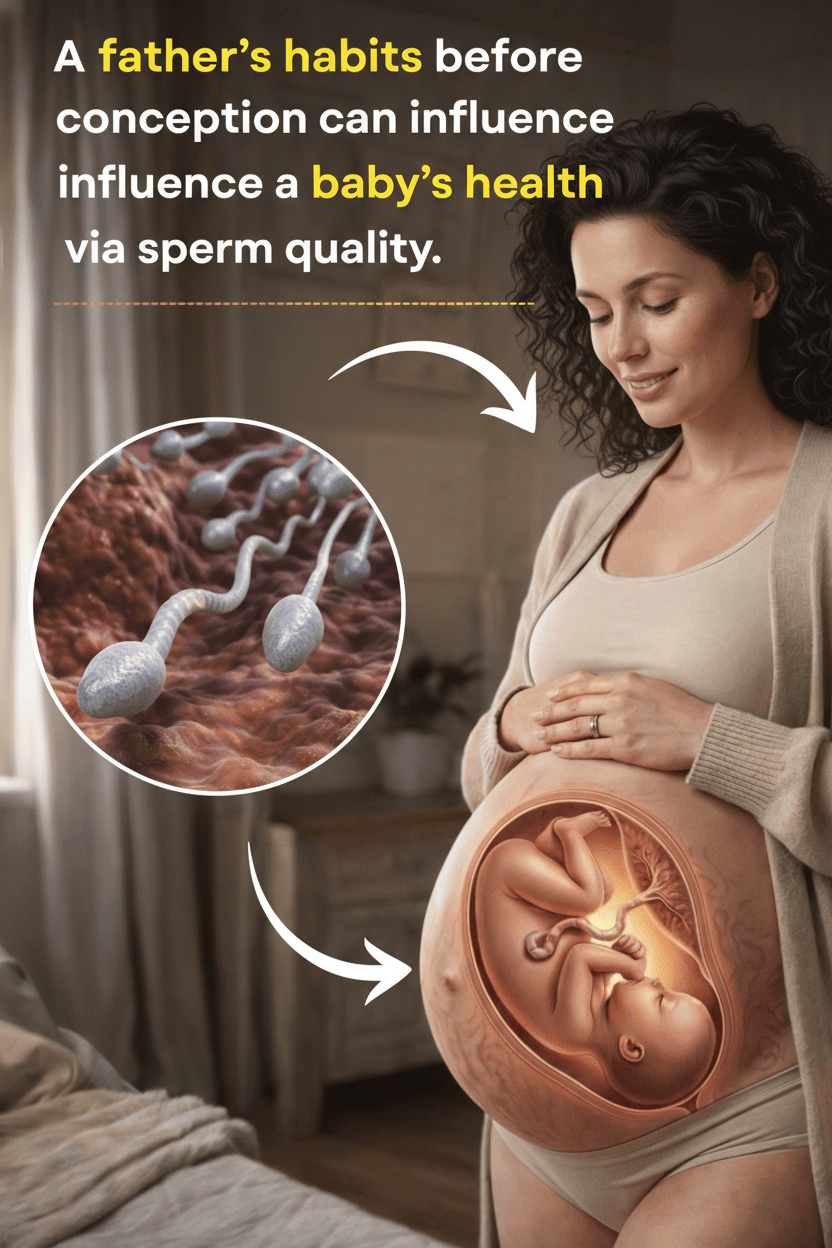
It’s crucial to understand that the paternal epigenetic influences on a baby’s health are typically subtle, acting as predispositions rather than absolute determinants. These effects often manifest as an increased risk or susceptibility to certain conditions, rather than guaranteeing their occurrence. Here are some of the most frequently studied outcomes:
- Elevated Risk of Childhood Obesity and Metabolic Syndrome: Paternal lifestyle factors have been linked to a higher likelihood of children developing these conditions.
- Disrupted Glucose and Insulin Regulation: Offspring may exhibit altered control over blood sugar levels.
- Increased Propensity for Asthma and Allergies: A father’s pre-conception health can contribute to a child’s immune system responses.
- Behavioral Alterations: Animal studies, in particular, have observed anxiety-like traits and other neurobehavioral changes in offspring linked to paternal lifestyle.
- Potential for Enhanced Cancer Risk: While primarily observed in animal models, some research suggests a potential increase in cancer susceptibility.
A Crucial Balanced Perspective
While the father’s contribution is significant, it’s vital to acknowledge that the mother’s overall health, genetic makeup, and the prenatal environment she provides remain the overwhelmingly dominant factors in a child’s development. Furthermore, it’s reassuring to note that the vast majority of babies are born healthy, even when fathers may have engaged in less-than-ideal habits. A key takeaway is the remarkable reversibility of many epigenetic changes; adopting healthy lifestyle modifications, ideally 2-3 months before attempting conception (which covers one full sperm production cycle), can profoundly improve sperm quality and potentially mitigate these risks.
5. Actionable Steps: Empowering Fathers for Optimal Pre-Conception Health
Recognizing the profound influence of paternal health, prospective fathers have a powerful opportunity to positively impact their future children. The most effective and impactful lifestyle modifications, ideally implemented 3 to 6 months before actively trying to conceive, include:
- Embrace a Nutrient-Rich Diet: Adopt a Mediterranean-style eating pattern, emphasizing abundant vegetables, fruits, nuts, seeds, olive oil, lean protein sources (especially fatty fish), whole grains, and legumes. This supports comprehensive reproductive health.
- Attain and Maintain a Healthy Weight: Strive for a Body Mass Index (BMI) within the healthy range of 20-25, as obesity is a known disruptor of sperm epigenetics.
- Cease Smoking and Vaping Entirely: Complete cessation of all nicotine and associated toxin exposure is paramount for sperm quality.
- Moderate Alcohol Intake: Limit consumption to no more than 1-2 drinks per day, and ideally, abstain or significantly reduce intake during the pre-conception period.
- Engage in Regular Physical Activity: Aim for at least 150 minutes of moderate-intensity cardiovascular exercise weekly, complemented by regular strength training.
- Prioritize Stress Management: Incorporate stress-reducing practices such as mindfulness meditation, ensure 7-9 hours of quality sleep per night, and spend time in nature.
- Minimize Exposure to Environmental Toxins: Actively avoid known endocrine disruptors and pollutants, including pesticides and plastics containing BPA or phthalates.
- Consider Targeted Supplementation: If deficiencies are identified through testing, judiciously supplement with key nutrients like Vitamin D, zinc, folate, and omega-3 fatty acids. Always consult a healthcare professional before starting any new supplement regimen.
The Empowering Message
Ultimately, a father’s lifestyle choices undeniably influence sperm health, and this can subtly shape a future child’s metabolism, immune system development, and long-term health risks. However, it is crucial to reiterate that these factors do not predetermine a baby’s destiny. The majority of these effects are minor and can be mitigated or prevented through consistent, healthy habits. The mother’s health and well-being throughout pregnancy undeniably remain the single most dominant factor in child development.
The Bottom Line: A Powerful Window for Future Health
Whether you are actively planning to embark on the journey of fatherhood or simply aiming to optimize your personal health, the 3 to 6 months preceding conception represent an exceptionally powerful and transformative window. During this vital period, even small, consistent adjustments to your diet, exercise routine, sleep patterns, and stress management techniques can significantly enhance sperm quality and, consequently, lay a healthier epigenetic foundation for your future child.