 By admin
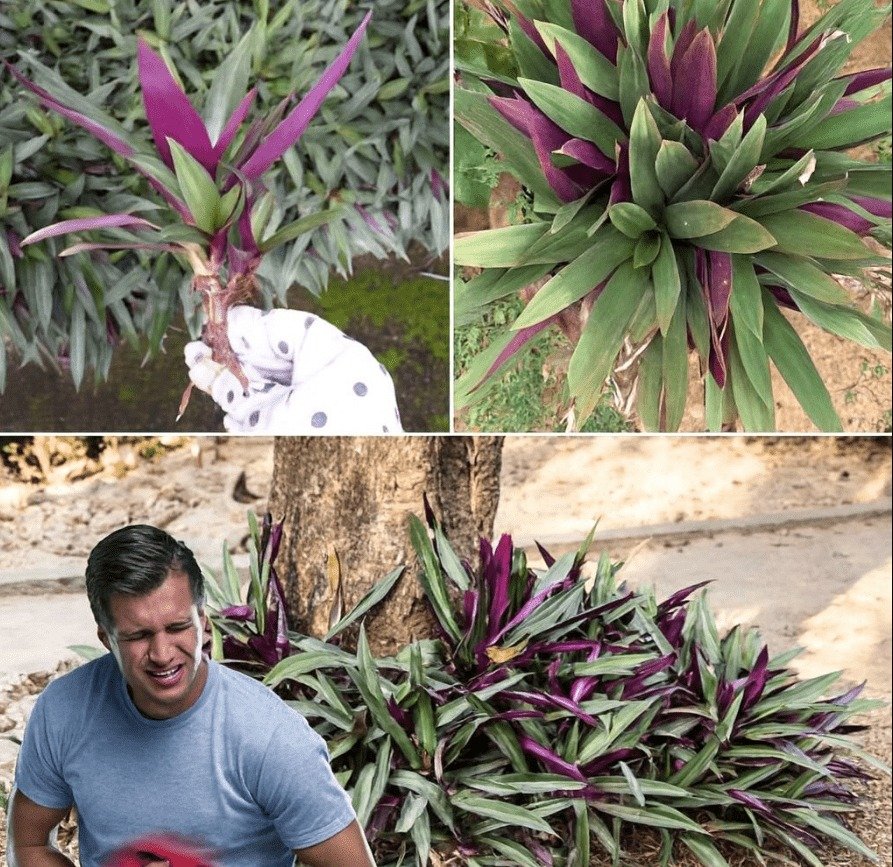
 Throughout history, traditional herbs have been cherished not only for their aesthetic appeal or culinary uses but also for their profound healing capabilities. Among these, the Oyster Plant (Tradescantia spathacea), frequently recognized as Purple Heart or Moses-in-the-Cradle, stands out. This ornamental plant, distinguished by its vibrant purple foliage, boasts a rich heritage in folk medicine, particularly across regions of Asia, Central America, and the Caribbean. One of its most noteworthy traditional applications has been its association with providing stomach relief and supporting digestive health.
This article aims to delve into the unique characteristics of this plant, explore its historical uses, and examine how contemporary interest is prompting a re-evaluation of this long-standing household remedy.
What Defines the Oyster Plant (Purple Heart)?
The Oyster Plant is a perennial herbaceous species originating from Mexico and Central America. Today, it thrives globally, valued both as a decorative specimen and a source of traditional medicine. Its distinctive green upper leaves and striking purple undersides make it a popular choice for home gardens everywhere.
- Scientific name: Tradescantia spathacea
- Common names: Oyster Plant, Purple Heart, Boat Lily, Moses-in-the-Cradle
- Traditionally utilized parts: Leaves, roots, and occasionally flowers
Historical Applications for Stomach and Digestive Wellness
For countless generations, various communities have prepared the oyster plant’s leaves into teas, decoctions, or poultices. Within traditional herbal practices, this plant was traditionally believed to offer several benefits:
- Alleviate stomach discomfort: Decoctions were commonly employed to soothe symptoms such as indigestion, bloating, and mild gastritis.
- Provide relief for ulcers: Folk healers frequently suggested extracts from its leaves for individuals experiencing pain linked to ulcers.
- Promote regular bowel movements: Infusions made from its leaves were thought to possess gentle laxative properties, aiding in regularity.
- Mitigate inflammation: Some traditional practices used the plant to address stomach irritation or swelling within the digestive tract.
Potential Mechanisms: Nutrient and Phytochemical Profile
While extensive scientific investigation is still ongoing, preliminary studies indicate that oyster plant leaves contain a range of beneficial compounds:
- Flavonoids and phenolic compounds – recognized for their potent antioxidant and anti-inflammatory effects.
- Saponins – compounds that may contribute to protecting the gut lining and reducing irritation.
- Essential minerals such as iron and calcium – vital for maintaining overall health and bodily functions.
The presence of these bioactive constituents could provide a scientific basis for the historical emphasis on its use for digestive comfort.
| Component | Potential Role | Benefit for Digestion |
|---|---|---|
| Flavonoids | Antioxidant, anti-inflammatory | May protect stomach lining |
| Saponins | Gut-soothing effect | Could reduce irritation |
| Minerals | Iron, calcium | General support for wellness |
Additional Traditional Health Benefits
Beyond its reputed effects on stomach health, folk medicine also associated the oyster plant with various other therapeutic uses:
- Respiratory support (often prepared as teas to alleviate coughs or colds).
- Aid in wound healing (applied topically as poultices on minor cuts and abrasions).
- Anti-inflammatory applications (consumed as decoctions for relief from joint pain).
Traditional Preparation Methods
- Tea/Decoction: Simmer a small quantity of thoroughly washed leaves in water for approximately 5–10 minutes. Strain the liquid and consume warm.
- Poultice: Fresh leaves are crushed and applied directly to the skin to address irritation or minor wounds.
- Infusion: Dried leaves are steeped in hot water, much like preparing a standard herbal tea.
Important Note: Always ensure that any plant material harvested for use comes from areas free of pesticides and environmental contaminants.
Safety Considerations and Precautions
- Human scientific research on this plant is limited; its purported benefits are primarily rooted in traditional knowledge and preliminary studies.
- Individuals who are pregnant or breastfeeding should refrain from using the oyster plant until more definitive evidence regarding its safety is available.
- Those managing chronic health conditions or currently taking prescription medications should seek advice from a healthcare professional before incorporating this plant into their regimen.
- Certain reports indicate that high dosages may lead to irritation; therefore, judicious and moderate use is advised.
Holistic Approaches to Digestive Health Beyond Herbal Remedies
While the oyster plant has a place in traditional remedies, contemporary scientific understanding emphasizes a broader range of strategies for achieving optimal stomach relief and digestive well-being:
- Incorporate fiber-rich foods such as fruits, vegetables, and whole grains into your daily diet.
- Steer clear of known trigger foods, including excessive caffeine, alcohol, or heavily fried meals.
- Maintain adequate hydration by drinking plenty of water to support efficient digestion.
- Practice mindful eating habits – eat slowly and avoid overconsumption at meals.
- Effectively manage stress levels, as stress is a well-known factor that can exacerbate digestive issues.
Frequently Asked Questions
Is it acceptable to consume oyster plant leaves raw?
Traditionally, the leaves are prepared by boiling or steeping. Raw leaves may be more challenging to digest and could contain compounds that cause stomach irritation.
Is daily consumption considered safe?
Occasional use in small quantities is generally regarded as safe in traditional contexts, but the effects of daily or prolonged use have not been thoroughly investigated.
Can this plant serve as a replacement for modern medical treatments for ulcers or gastritis?
Absolutely not. While it may offer supportive comfort, it should never be used as a substitute for professional medical treatment or prescribed medications.
Is the oyster plant related to the culinary vegetable known as the oyster plant (Tragopogon porrifolius)?
No. Despite sharing a common name, these are entirely distinct plant species.
Disclaimer: This article is intended solely for educational purposes and should not be considered a substitute for professional medical advice. Always consult with a qualified healthcare provider before initiating any new herbal remedies, particularly if you have pre-existing chronic conditions or are currently taking medications.