 By admin
 The Overlooked Nutrient: Unveiling Vitamin K2’s Potential for Joint Health and Bone Strength in Arthritis
Millions worldwide contend daily with the persistent stiffness and aching joints characteristic of arthritis. This chronic discomfort can transform simple actions, like walking, gripping objects, or even rising from bed, into exhausting and frustrating challenges. The relentless pain, inflammation, and restricted movement can deplete energy reserves, negatively impact mood, and fuel anxieties about progressive worsening over time. While established strategies such as regular exercise, maintaining a healthy weight, and physician-prescribed treatments offer relief to many, a growing body of research is shedding light on a particular nutrient that often escapes mainstream discussions concerning joint support. Continue reading to discover this vital nutrient, understand its potential contribution to overall bone and joint wellness, and learn about the specific form frequently highlighted in scientific studies.
Why Prioritizing Joint Health is More Crucial Than Ever
Arthritis extends beyond mere physical pain; it significantly diminishes one’s quality of life. Conditions like osteoarthritis and rheumatoid arthritis progressively damage cartilage, the essential cushioning tissue within joints, leading to increased discomfort and impaired function over time. Consequently, many individuals actively seek complementary approaches to bolster their joint health, often alongside professional medical advice. Interestingly, scientific inquiry is increasingly exploring how specific vitamins can influence inflammatory markers, support cartilage integrity, and contribute to overall skeletal resilience.
The Unsung Role of Vitamin K2 in Bone and Joint Wellness
Vitamin K2, a fat-soluble vitamin, is naturally present in fermented foods and certain animal products. Distinct from Vitamin K1 (primarily found in leafy green vegetables and crucial for blood clotting), K2 plays a critical role in calcium metabolism. It effectively guides calcium to its appropriate destination—your bones—while simultaneously deterring its accumulation in soft tissues, such as arteries. Yet, its benefits may extend even further.
Emerging studies suggest that Vitamin K2 may also interact with biological processes involved in inflammation and the maintenance of healthy tissues. For instance, observational research has indicated a correlation between higher Vitamin K2 intake and improved bone mineral density, alongside a reduced risk of certain fractures, particularly in older adult populations. This finding holds particular relevance for individuals with arthritis, as robust bones can provide enhanced structural support for joints, potentially mitigating complications arising from falls or stress fractures.
What Current Research Reveals About Vitamin K2
Various studies have delved into the potential advantages of Vitamin K2:
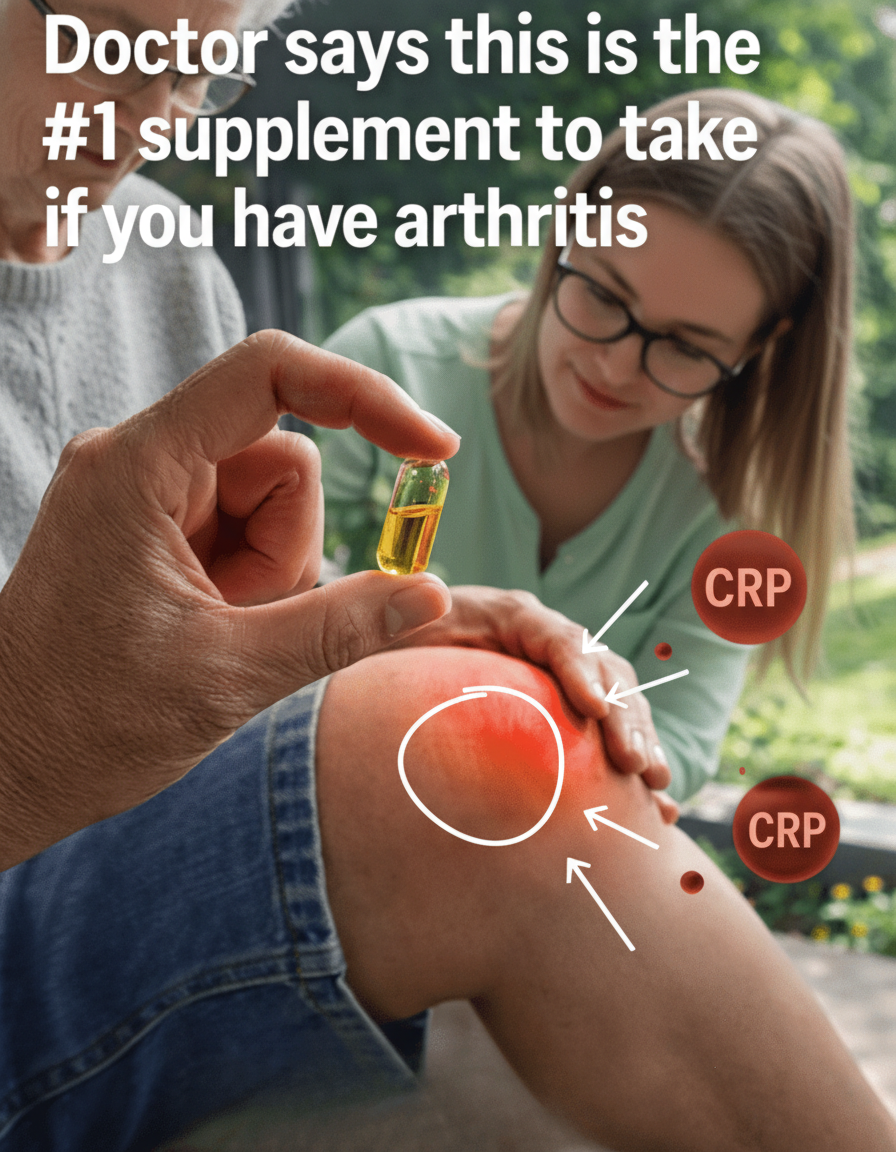
- It is essential for activating proteins like osteocalcin, which is crucial for binding calcium into the bone matrix, thereby enhancing bone strength.
- In certain demographic groups, adequate Vitamin K2 levels have been linked to a reduction in inflammatory markers, such as C-reactive protein (CRP).
- Research involving postmenopausal women and older adults has shown associations between Vitamin K2 supplementation and improvements in various bone health parameters.
- A notable area of interest is the synergistic effect observed in trials combining Vitamin D and K2, which have demonstrated reductions in fracture risk (though specific percentages can vary by study and population, often ranging from 15-30% for certain fractures when combined with calcium).
It’s important to note that no large-scale, arthritis-specific trial has claimed dramatic single-nutrient effects. However, Vitamin K2’s fundamental role in calcium metabolism makes it a pertinent topic within broader discussions concerning joint support and skeletal integrity. Here’s a crucial detail often overlooked:
The specific form of Vitamin K2 is significant. MK-7 (menaquinone-7), commonly derived from natto (fermented soybeans), exhibits a considerably longer half-life in the body compared to MK-4. This extended bioavailability allows for more consistent benefits to be observed in research studies.
Indicators You Might Not Be Receiving Sufficient Vitamin K2
Low Vitamin K2 levels don’t always present with obvious symptoms, but certain patterns might suggest an inadequacy:
- Experiencing frequent joint stiffness that seems to extend beyond typical age-related changes.
- Concerns regarding bone density, particularly if you are over the age of 50.
- A dietary intake consistently low in fermented foods or products from grass-fed animals.
- Limited sun exposure combined with a low intake of dairy products (given that Vitamin D works synergistically with K2).
If any of these points resonate with your experience, it may be beneficial to discuss your nutrient levels with your healthcare provider.
Practical Steps: How to Safely Boost Your Vitamin K2 Intake
Here are actionable strategies you might consider implementing today. Always consult your doctor first, especially if you are taking blood-thinning medications, as Vitamin K can influence blood clotting:
- Integrate K2-Rich Foods: Consider incorporating natto (the richest dietary source), hard cheeses such as Gouda or Edam, egg yolks from pastured chickens, or grass-fed butter into your diet. If you are new to fermented foods, start with small portions.
- Pair with Vitamin D: Numerous studies highlight the synergy between Vitamin D and K2 for optimal bone health. Aim for safe, moderate sun exposure, or discuss Vitamin D testing and supplementation options with your physician.
- Consider the MK-7 Form if Supplementing: When choosing a supplement, look for reputable brands offering 100-200 mcg of MK-7 per dose. For enhanced absorption, take your supplement with a fatty meal.
- Combine with Joint-Friendly Habits: Complement your nutritional efforts with low-impact physical activities like swimming or walking, strive to maintain a healthy body weight, and consistently adhere to your doctor’s prescribed treatment plan.