 By admin
 High cholesterol often develops silently over many years, presenting no obvious warning signs until a significant cardiovascular event occurs. Many individuals feel perfectly healthy while detrimental fats progressively accumulate within their arteries. The adverse effects typically manifest later—when symptoms like persistent fatigue, impaired circulation, or sudden health crises begin to emerge. However, here’s the encouraging truth: gaining a clear understanding of how cholesterol functions and adopting straightforward daily habits can significantly support healthier arteries and substantially reduce long-term health risks. As you read on, you’ll uncover several surprisingly simple lifestyle adjustments that are frequently overlooked in the pursuit of protecting brain and heart health.
Understanding Cholesterol: The Crucial Balance for Your Health
Cholesterol isn’t inherently harmful; in fact, your body relies on it to construct cells and produce essential hormones. Problems typically arise when cholesterol levels become imbalanced over an extended period. There are two primary categories:
LDL Cholesterol: The “Bad” Type and Its Impact
When LDL (low-density lipoprotein) cholesterol levels remain elevated for prolonged durations, it can accumulate along artery walls. Over time, this buildup can form fatty deposits known as plaques, which have the potential to narrow blood vessels and impede circulation. When these affected arteries supply vital organs like the brain or heart, the risk of serious cardiovascular events, such as heart attacks and strokes, significantly increases.
HDL Cholesterol: The “Good” Type and Its Protective Role
HDL (high-density lipoprotein) cholesterol plays a beneficial role by assisting in the transport of excess cholesterol back to the liver, where it can be processed and efficiently removed from the body. Maintaining healthy HDL levels is vital for supporting the body’s natural mechanisms to keep arteries clear and functional.
Triglycerides: An Often-Overlooked Lipid
Triglycerides are another form of fat stored in the bloodstream. Elevated levels frequently coincide with high LDL and low HDL, particularly in individuals who:
- Consume excessive amounts of alcohol
- Lead sedentary lifestyles
- Carry surplus body weight
- Experience chronic stress
- Maintain diets rich in refined carbohydrates
Extensive research consistently highlights that balanced lipid levels are fundamental for preserving robust blood vessels and optimal circulation.
Why Balanced Cholesterol is Paramount for Brain and Heart Health
Over time, an excess of LDL cholesterol can contribute to a serious condition known as atherosclerosis—a process where fatty deposits accumulate and harden within artery walls. Here’s a gradual progression of what can occur:
- Arteries progressively become narrower and lose their natural flexibility.
- Blood flow to critical organs, including the brain and heart, may diminish.
- Plaques can become unstable, potentially rupturing and triggering blood clot formation.
- Circulation may be suddenly and severely disrupted, leading to acute events.
When blood supply to the brain is compromised or interrupted, it can profoundly affect normal neurological function, leading to a stroke. This direct link underscores why maintaining healthy cholesterol levels is a cornerstone of discussions surrounding long-term stroke prevention and comprehensive cardiovascular wellness. But there’s more to the story…
The encouraging aspect is that many of these contributing factors are significantly influenced by our daily habits, meaning even minor, consistent changes can yield substantial, positive differences over time.
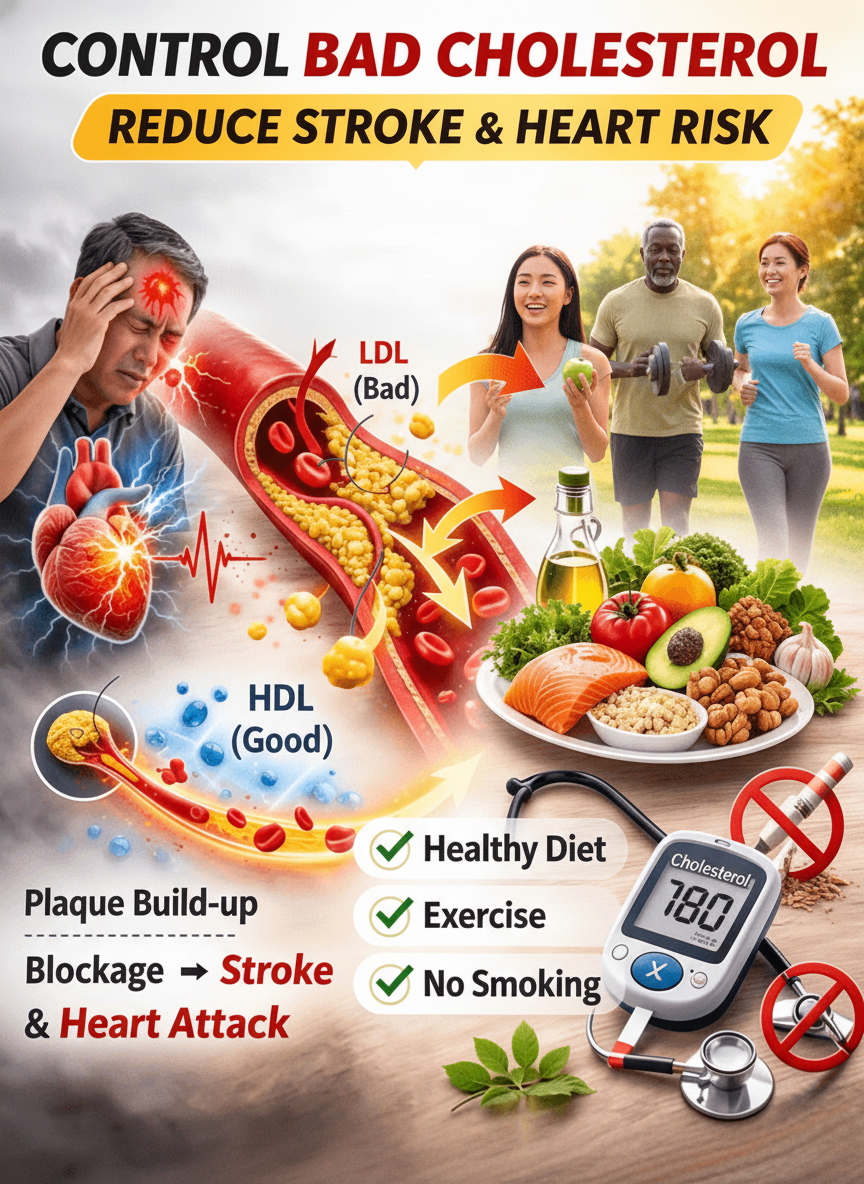
Key Lifestyle Factors Influencing Cholesterol Levels
Cholesterol balance is a complex interplay between genetic predispositions and lifestyle choices. While certain genetic factors are unchangeable, numerous daily habits exert a powerful influence on managing cholesterol effectively.
Factors that may elevate LDL (“bad”) cholesterol:
- Frequent consumption of deep-fried or ultra-processed convenience foods
- Diets high in saturated and trans fats
- Insufficient regular physical activity
- Smoking
- Excessive alcohol intake
- Chronic stress and inadequate sleep patterns
Factors that may support healthy HDL (“good”) cholesterol levels:
- Engaging in consistent physical activity
- Adopting balanced nutrition rich in dietary fiber
- Maintaining a healthy body weight
- Implementing effective stress management techniques
- Ensuring adequate hydration and sufficient sleep
Numerous studies indicate that making consistent, positive lifestyle adjustments can profoundly support overall cardiovascular health when practiced diligently over time.
The Power of Nutrition: Eating for Optimal Cholesterol Balance
The food choices we make profoundly influence how the body processes and efficiently transports fats within the bloodstream.
Cholesterol-Friendly Foods to Embrace
Integrating nutrient-dense foods into your regular routine can significantly bolster healthy circulation and metabolic function. Consider regularly including:
- An abundance of fresh vegetables and leafy greens
- Whole fruits, particularly those rich in soluble fiber
- Unrefined whole grains such as oats, quinoa, and brown rice
- Lean protein sources like fatty fish (e.g., salmon), poultry, and plant-based options
- Legumes and beans, which are excellent sources of fiber
- Healthy fats from sources like extra virgin olive oil, avocados, and nuts (consumed in moderation)
These foods are packed with essential fiber and beneficial compounds that collectively support comprehensive heart and vascular wellness.
Foods to Limit for Better Cholesterol Management
Conversely, certain foods are notably higher in saturated fats or refined ingredients that, when consumed excessively, can contribute to an imbalance in cholesterol levels. Common examples to moderate or limit include:
- Processed meats (e.g., sausages, bacon, deli meats)
- Deep-fried fast foods and many commercially baked goods