 By admin
 The ‘Miracle Seed’ Unpacked: Fenugreek’s Real Benefits vs. Online Hype
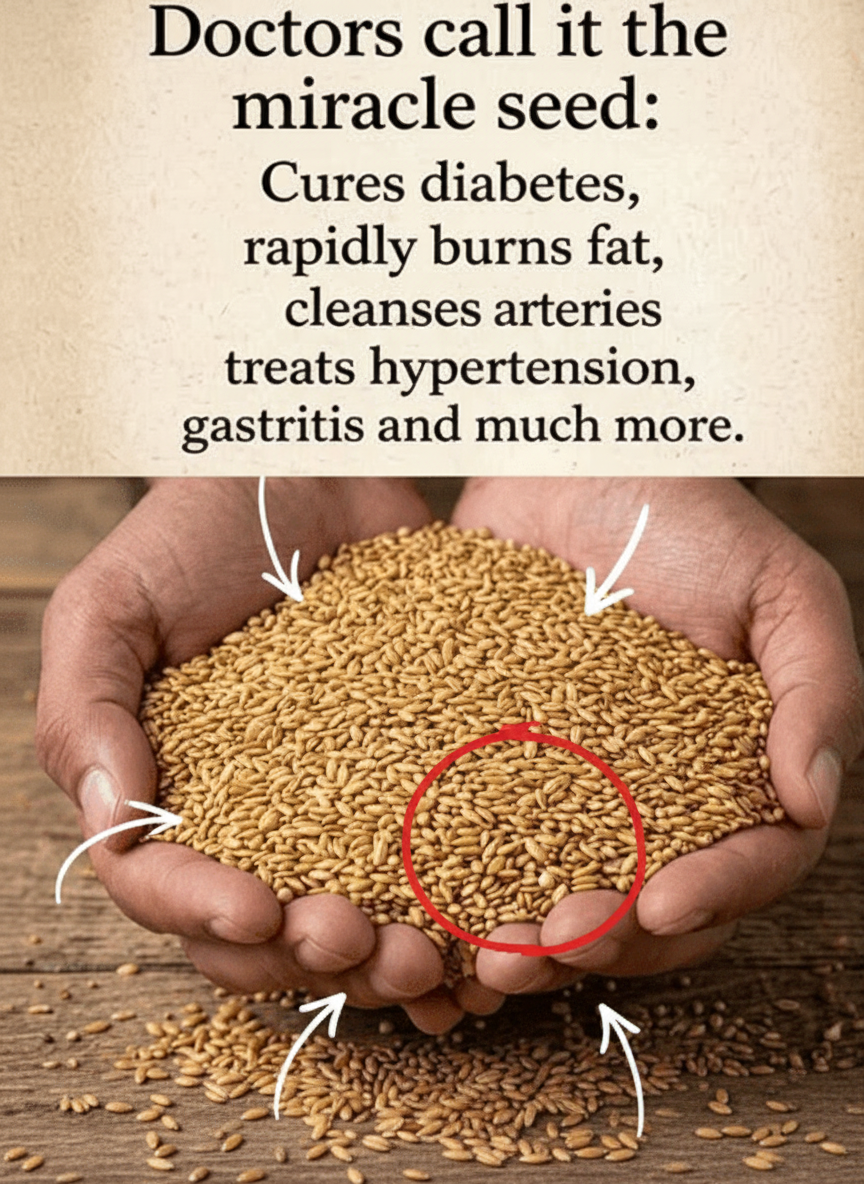
Ever scrolled through your feed and seen a ‘miracle seed’ touted as a cure-all? You’re not alone. In an age of rapid-fire health trends, distinguishing fact from fiction can feel overwhelming. Many of us have been there, nodding politely while secretly wondering if we’re missing out on a vital health secret. The truth? That often-viral ‘miracle seed’ is likely fenugreek, a humble kitchen staple with a rich history and surprising, real benefits – though perhaps not the magical ones promised online. Let’s separate the hype from the helpful habit.
What is This ‘Miracle Seed’ People Are Talking About?
So, what exactly is this seed causing all the buzz? It’s fenugreek (scientific name: Trigonella foenum-graecum), a small, golden-brown seed cultivated for centuries across Asia, the Mediterranean, and the Middle East. Far from a newly discovered wonder, fenugreek has long been a culinary cornerstone, seasoning everything from curries and soups to breads and teas.
While the internet has rebranded it as a ‘miracle,’ its true value lies in its balanced nutritional profile. Fenugreek seeds are a good source of fiber, iron, magnesium, and beneficial plant compounds known to support digestion and metabolism. (Source: Healthline) It’s a healthy dietary addition, yes, but crucially, it’s not a magical cure. Understanding this distinction is key to harnessing its genuine benefits without falling for exaggerated claims.
Why Fenugreek Seeds Became Popular in Health Discussions
Fenugreek’s rise to online fame isn’t entirely baseless; scientific research has indeed explored several of its potential health benefits. These studies often form the foundation for the viral posts, but it’s vital to interpret them correctly.
1. Digestive Support
Rich in soluble fiber, fenugreek absorbs water, forming a gel that aids digestion. This fiber can:
- Promote regular bowel movements.
- Contribute to feelings of fullness.
- Help alleviate occasional stomach discomfort.
Its fiber content also helps slow digestion and carbohydrate absorption, which can positively influence blood sugar balance. (Source: The Indian Express)
2. Blood Sugar Management
Several studies suggest fenugreek may support healthy glucose metabolism. Compounds like galactomannan fiber and certain amino acids are believed to play a role. (Source: 1mg) However, it’s critical to remember that these findings often come from controlled studies with specific dosages and should never replace professional medical advice or prescribed treatments.
3. Cholesterol & Heart Health
Preliminary research indicates that fenugreek’s plant compounds might influence fat processing in the body. Studies have investigated its potential role in:
- Supporting balanced cholesterol levels.
- Improving lipid metabolism.
Again, these are supportive effects and not guaranteed outcomes or standalone treatments.
4. Appetite Control & Weight Management
Given its high fiber content, fenugreek can enhance satiety, potentially reducing overeating. However, it’s crucial to remember that weight management is a complex interplay of diet, exercise, sleep, and overall health. Fenugreek is a supplement, not a substitute, for a healthy lifestyle.
How People Commonly Use Fenugreek in Daily Life
Beyond its potential benefits, fenugreek’s ease of use contributes significantly to its popularity. Here are two common ways people incorporate it into their daily routines:
1. Overnight Soaked Seeds
This is perhaps the most widespread traditional method:
- Ingredients: 1 teaspoon fenugreek seeds, 1 cup drinking water.
- Instructions: Soak the seeds overnight. The next morning, drink the water. Some individuals also chew the softened seeds.
This practice is deeply rooted in various traditional health routines and is often highlighted in nutritional discussions. (Source: NDTV)
2. Fenugreek Tea
A comforting and simple way to consume fenugreek is as an herbal tea:
- Ingredients: 1 teaspoon fenugreek seeds, 1 cup boiling water.
- Instructions: Boil the seeds for approximately 5-10 minutes. Strain the liquid and enjoy warm, once or twice daily.
The tea has a distinctive, slightly bitter, yet aromatic flavor.
So, is fenugreek a ‘miracle seed’? While it’s certainly not a magic bullet that ‘fixes everything,’ it’s far more than just internet hype. Fenugreek is a historically valued ingredient with scientifically backed potential to support various aspects of health, particularly digestion and metabolism. By understanding its true capabilities and limitations, we can embrace fenugreek as a valuable addition to a balanced diet and healthy lifestyle, rather than chasing an elusive cure-all.