 By admin
 The Meninges: Your Brain’s Unsung Protectors and Why They Matter
Your brain is an extraordinary organ, tirelessly orchestrating every thought, movement, emotion, and memory that defines you. Despite its critical role, we rarely pause to consider the intricate biological safeguards that shield this delicate tissue from the constant bumps and pressures of daily life. Without adequate protection, even minor impacts could lead to severe neurological consequences. This is where the meninges come into play – a sophisticated system of three protective membranes that envelop your brain and spinal cord, acting as a natural buffer and support structure. These vital layers not only cushion and stabilize but also contribute to maintaining a stable internal environment essential for optimal brain function. Intrigued to learn more about these fascinating protectors and how you can support their crucial work? Continue reading, as we’ll also explore practical, everyday habits that promote comprehensive brain health.
Understanding the Meninges: Your Central Nervous System’s Built-In Armor
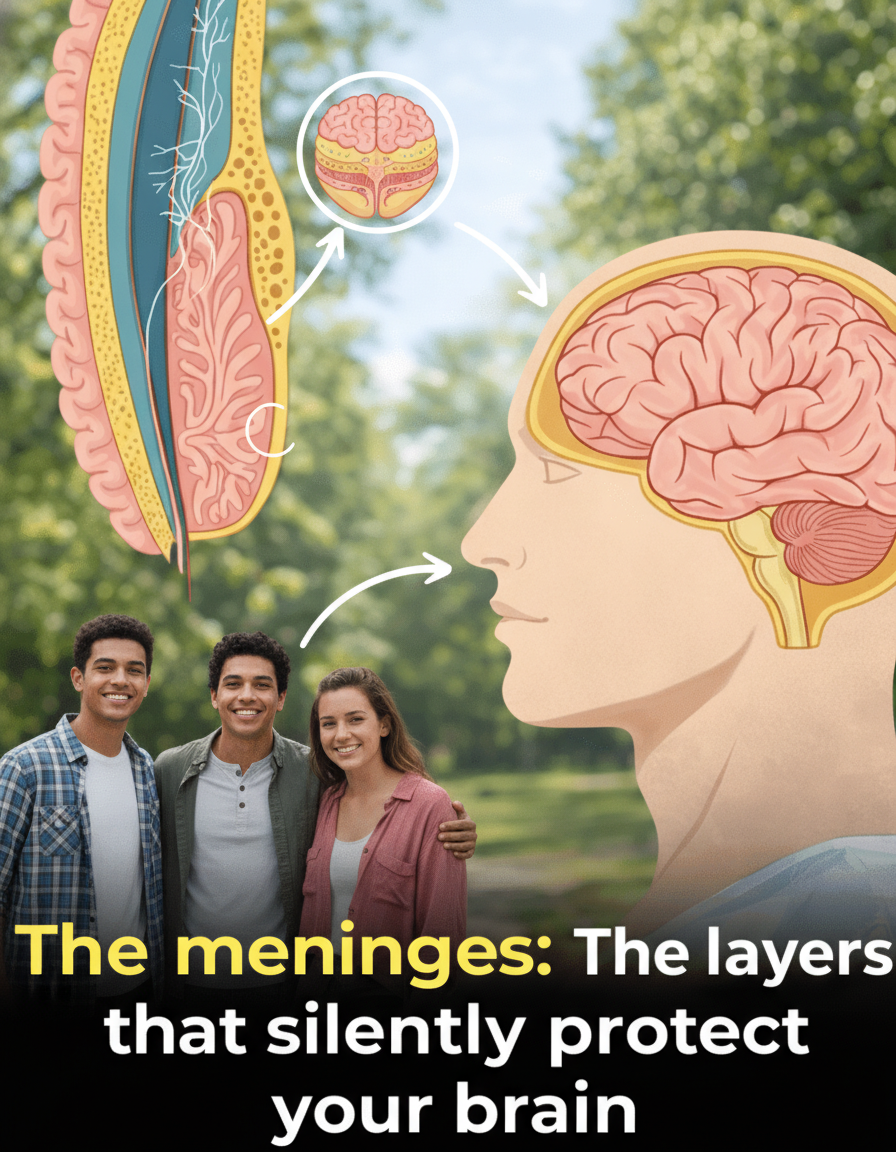
The meninges comprise three distinct layers, each engineered with specific roles in safeguarding your central nervous system (CNS). Together, they forge a resilient yet flexible shield around the brain and spinal cord. Extensive research, including insights from reputable sources like the Cleveland Clinic and TeachMeAnatomy, underscores the collaborative efficiency of these layers in protecting fragile neural tissue.
The Three Protective Layers Unveiled
Dura Mater (The Robust Outer Layer)
As the outermost and toughest membrane, the dura mater – Latin for ‘tough mother’ – lives up to its name. Composed of dense, fibrous connective tissue, it acts like a sturdy internal lining for your skull, providing strong anchorage for the brain. Furthermore, it incorporates venous sinuses that are crucial for draining blood from the brain.
Arachnoid Mater (The Delicate, Web-Like Middle Layer)
Positioned beneath the dura mater, the arachnoid mater is a thin, avascular layer named for its intricate, spiderweb-like appearance. Its most significant feature is the formation of the subarachnoid space, a critical cavity situated between itself and the innermost membrane. This space is filled with cerebrospinal fluid (CSF), which serves as a vital shock absorber for the brain.
Pia Mater (The Intimate Inner Layer)
The thinnest and most delicate of the three, the pia mater – meaning ‘tender mother’ – closely adheres to the brain’s surface, meticulously following every gyri and sulci (folds and grooves). This intimate contact allows it to facilitate the direct supply of blood vessels to the brain tissue, playing a crucial role in its nourishment. However, the full protective synergy truly unfolds in the dynamic interaction within the subarachnoid space.
How Cerebrospinal Fluid (CSF) Enhances Meningeal Protection
Cerebrospinal fluid (CSF) circulates continuously within the subarachnoid space, providing essential buoyancy that dramatically reduces the brain’s effective weight from approximately 1,400 grams to mere dozens. Scientific studies consistently demonstrate that this fluid cushion is instrumental in preventing the brain from impacting the inside of the skull during movement. This combined system of resilient membranes and cushioning fluid creates an exceptionally effective, multi-layered defense against everyday physical stresses and potential trauma.
The Indispensable Role of the Meninges in Brain Health
Envision your brain as a delicate organ gently suspended within a protective fluid bath. Without the meninges and CSF, routine activities like walking or even a quick head turn could induce damaging friction or pressure against the skull. These structures extend their importance beyond physical trauma protection; they are fundamental in regulating the brain’s microenvironment, facilitating efficient nutrient delivery, and ensuring the effective removal of metabolic waste products.
Key Protective Functions of the Meninges: A Summary
Here’s an overview of the primary ways the meninges safeguard your brain:
- Impact Cushioning: The fluid-filled spaces effectively absorb and dissipate shocks from falls or sudden movements, minimizing direct brain trauma.
- Anchoring and Stability: Folds of the dura mater, such as the falx cerebri and tentorium cerebelli, strategically compartmentalize the brain, preventing excessive displacement within the cranial cavity.
- Barrier Against Infection: While not a complete barrier, the meninges form a crucial line of defense, helping to contain potential pathogens before they can reach the sensitive brain tissue.
- Vascular Support: Major blood vessels, including vital arteries and veins, traverse through or along these layers, receiving structural support without directly contacting the delicate brain cells.
The remarkable efficiency of this protective system means it often goes unnoticed – until a problem arises, highlighting its profound importance.
Everyday Habits for Natural Brain Protection and Health
While you cannot directly strengthen the meninges themselves, adopting certain lifestyle habits significantly promotes overall nervous system health and supports the optimal functioning of the protective environment these layers create. Here are practical, evidence-backed steps you can incorporate into your daily routine:
- Stay Adequately Hydrated: Consistent fluid intake is crucial for healthy CSF production and circulation. Aim for at least eight glasses of water daily, adjusting based on your activity levels and climate.
- Utilize Protective Headgear: Always wear a helmet during activities such as cycling, contact sports, or any situation involving a risk of head injury. This significantly reduces direct impact forces on the skull and, consequently, the meninges.
- Practice Good Posture: Maintaining proper head and neck alignment minimizes unnecessary strain on your cervical spine and upper back, where the meninges continue their protective sheath around the spinal cord.
- Engage in Regular, Gentle Movement: Moderate physical activity enhances blood flow throughout the body, indirectly supporting the vital nutrient exchange facilitated by the pia mater and overall brain metabolic health.
- Prioritize Quality Sleep: During deep sleep cycles, the brain actively undergoes a critical ‘cleansing’ process, efficiently flushing out metabolic waste products. This process is vital for maintaining a healthy environment for your neural tissue and the protective meningeal layers.