 By admin
 A groundbreaking new study has unveiled a concerning trend: adults aged 40 to 59 residing in socioeconomically disadvantaged neighborhoods are exhibiting early indicators of brain health challenges significantly sooner than previously understood. This pivotal research suggests that the environment in which we live plays a far more critical role in our cognitive well-being than personal circumstances alone.
Individuals living in areas characterized by factors such as higher unemployment rates, lower household incomes, and substandard living conditions often face greater hurdles in maintaining key health behaviors. These include effectively managing blood pressure, achieving adequate sleep quality, and sustaining a healthy weight—all crucial elements known to profoundly impact long-term brain wellness. Furthermore, researchers identified increased signs of damage to the brain’s small blood vessels within this demographic, a physiological change strongly linked to future cognitive concerns. What makes these findings particularly striking is that these adverse effects manifested irrespective of an individual’s personal education level or income.
Consider the daily reality for many in these deprived communities: despite a desire to prioritize health through better eating habits and physical activity, their surroundings present formidable obstacles. Limited availability of fresh, nutritious foods, a scarcity of safe environments for walking or exercise, persistent environmental stress, and inadequate community infrastructure collectively create systemic barriers. These challenges often make consistent healthy living incredibly difficult, even for the most dedicated individuals.
However, this deeper understanding of environmental influences offers a beacon of hope. It paves the way for the development of more intelligent, community-focused strategies designed to safeguard brain health as we age. By recognizing and addressing these systemic issues, we can work towards creating environments that support, rather than hinder, cognitive vitality. Continue reading to explore the scientific insights and discover actionable steps that can be taken right now to foster better brain health.
The Unseen Influence: How Neighborhood Conditions Shape Your Brain Health
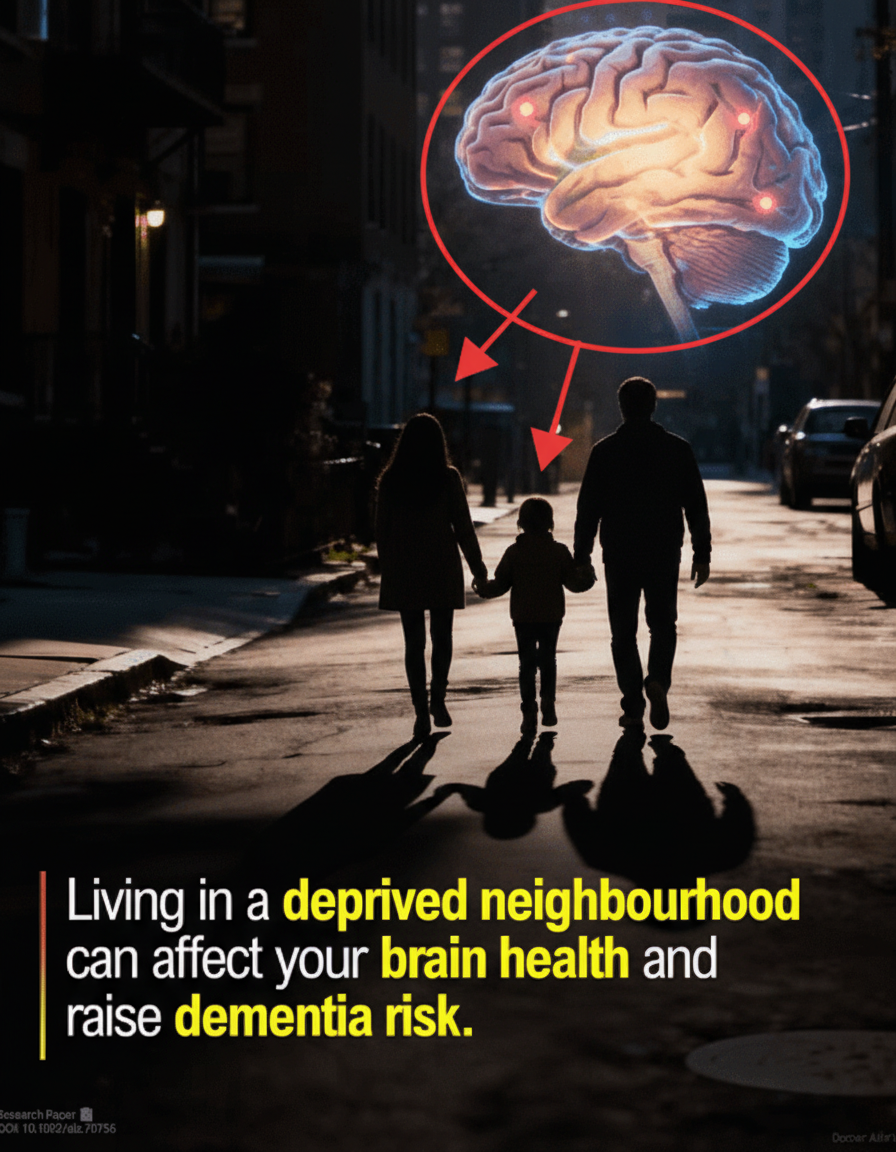
Groundbreaking research, prominently featured in Alzheimer’s & Dementia: The Journal of the Alzheimer’s Association, underscores the profound and independent impact of neighborhood conditions on brain health. This study specifically focused on midlife adults (ages 40-59), revealing a clear correlation between residence in deprived areas and a diminished ability to manage crucial health behaviors. Moreover, these individuals showed observable alterations in the brain’s delicate blood vessels.
These compelling findings unequivocally demonstrate that the surrounding environment plays a direct and significant role in cognitive outcomes. Higher levels of neighborhood deprivation are consistently associated with an increased prevalence of small vessel damage in the brain – a condition that medical experts directly link to the gradual onset of cognitive decline over time. Crucially, these detrimental effects persist even after researchers meticulously adjusted for an individual’s personal socioeconomic status, such as their education level or income. This highlights that “place” itself is a powerful determinant of brain health trajectories.
Decoding the Link: Neighborhood Deprivation and Key Dementia Risk Factors
Living within challenging community environments presents substantial obstacles to adopting and maintaining brain-healthy lifestyles. The systemic nature of these barriers often makes what seem like simple choices incredibly difficult. Here’s a closer look at how neighborhood deprivation can exacerbate key dementia risk factors:
- Restricted Access to Nutritious Food: Many disadvantaged areas are classified as “food deserts,” where fresh produce and wholesome food options are either scarce or prohibitively expensive. This scarcity often forces residents to rely on highly processed, nutrient-poor foods, which are detrimental to brain health and overall well-being.
- Limited Safe Opportunities for Physical Activity: Factors such as inadequate street lighting, a lack of well-maintained parks, or higher crime rates can significantly deter residents from engaging in regular physical activity. Consistent exercise is a fundamental pillar of both vascular health and robust brain function.
- Elevated Chronic Stress: The constant burden of socio-environmental stressors—including concerns about safety, persistent noise pollution, or economic instability—leads to chronically elevated cortisol levels. Over extended periods, high cortisol can critically impair blood vessel function, directly impacting brain integrity.
- Disrupted Sleep Patterns: Environmental disturbances, such as excessive noise, light pollution, or other neighborhood disruptions, can severely interfere with restorative sleep. Poor sleep quality not only exacerbates other health risks but is also independently linked to cognitive decline.
These challenges, as highlighted by researchers, are not merely a result of individual choices or perceived failings. Instead, they represent profound systemic barriers embedded within the community infrastructure, making the pursuit of a brain-healthy lifestyle an uphill battle for residents.
Beyond Individual Means: The Enduring Power of Place on Brain Health
Perhaps one of the most compelling and sobering revelations from this study is the potent influence of one’s residential location, even when accounting for personal affluence. The research unequivocally demonstrates that individuals with a stable career, advanced education, or substantial personal income, who nonetheless reside in a socioeconomically deprived area, still face a heightened risk for these early brain health markers.
The study meticulously controlled for various individual socioeconomic factors, yet the “neighborhood effect” remained robust and statistically significant. This finding powerfully underscores the concept of the “power of place.” It suggests that the very ZIP code you inhabit can profoundly dictate your daily habits, environmental exposures, and access to vital resources in ways that personal wealth or educational attainment cannot fully mitigate. The community context, it appears, can exert an independent and powerful influence on long-term cognitive trajectory.
Midlife Vascular Changes: Early Warning Signs for Cognitive Function
Detailed imaging and comprehensive health data collected during the research provided clear evidence of increased cerebral small vessel disease among residents of disadvantaged areas. This critical condition involves the tiny, intricate blood vessels within the brain becoming narrowed, stiffened, or damaged. Such impairment directly compromises efficient blood flow and nutrient delivery to brain tissue, changes that are definitively linked to future deterioration in cognitive function and an elevated risk of dementia.
Encouragingly, many of the lifestyle factors that contribute to this vascular damage—such as suboptimal blood pressure management, unhealthy weight, and inadequate sleep—are indeed modifiable. However, the study strongly emphasizes that while individual lifestyle adjustments are important, the most impactful and sustainable improvements often require the crucial support of improved environmental and community resources. This reinforces the need for holistic interventions.
Proactive Steps: Why Midlife is a Critical Window for Long-Term Brain Health
It’s a common misconception that long-term brain health is a concern only for older age. In reality, the crucial period of midlife (ages 40-59) represents a vital window for proactive intervention. The changes and habits established during your 40s and 50s profoundly influence your brain’s trajectory and resilience in later decades. Addressing these identified risks—both personal and environmental—during this critical phase can significantly alter future cognitive outcomes, potentially delaying or even preventing the onset of cognitive decline. Investing in brain health now is an investment in a sharper, healthier future.