 By admin
 A radiant smile is a powerful asset, yet for millions, tooth discoloration can diminish confidence, transforming what should be a joyful expression into a source of self-consciousness. Perhaps you find yourself hesitant to laugh freely or shy away from photos, all due to a smile that appears dull or yellowed. The market is saturated with expensive, over-the-counter whitening products often promising rapid results but delivering only mild improvements or, worse, increased tooth sensitivity. The encouraging news is that achieving a brighter smile doesn’t always require harsh chemicals or costly treatments. There are indeed gentle, natural teeth whitening at home methods capable of tackling mild surface stains effectively. This comprehensive guide aims to navigate the often-confusing landscape of DIY whitening, distinguishing between potentially harmful social media fads and genuinely safe, evidence-backed options. Our goal is to equip you with practical habits that can gradually enhance your smile’s natural brilliance, always prioritizing the vital protection of your tooth enamel.
Understanding Tooth Discoloration: Extrinsic vs. Intrinsic Stains
Tooth discoloration is a widespread concern, frequently occurring as a natural part of life. Several factors contribute to our teeth losing their pearly white luster. The most common culprits are dark-colored beverages such as coffee, tea, and red wine, alongside habits like smoking and the natural aging process. These elements deposit what are known as extrinsic stains directly onto the enamel surface. Over time, these superficial stains accumulate, progressively dulling your smile and potentially impacting your self-assurance in social settings.
Conversely, intrinsic stains develop deep within the tooth structure. These are typically more challenging to treat, often resulting from factors like certain medications, dental trauma, or genetic predispositions. It’s crucial to understand that natural teeth whitening at home methods are primarily effective against these milder, extrinsic stains, offering gradual improvements rather than dramatic, overnight transformations. For optimal results, these gentle approaches are best integrated as consistent maintenance practices, complementing a robust daily oral hygiene routine.
Debunking Viral DIY Teeth Whitening Trends: What Science Really Says
The digital landscape, particularly social media, is awash with countless “miracle” natural teeth whitening at home hacks. While enticing, many of these trends are not only unsupported by scientific evidence but can also pose significant risks to your dental health, particularly your enamel. It’s essential to approach such claims with caution and critical thinking.
Consider one of the most widely circulated fads: rubbing banana peels on teeth. Proponents claim that the potassium and magnesium in banana peels naturally polish away stains. However, the scientific consensus, backed by numerous dental studies, indicates that banana peels offer no discernible or meaningful teeth whitening effect. Any perceived temporary shine is typically attributed to simple physical friction rather than any special mineral action. Furthermore, when individuals combine banana peels with other abrasive or acidic ingredients, the potential for irreversible enamel damage escalates dramatically.
Other popular but risky natural teeth whitening at home concoctions include direct application of lemon juice, excessive use of salt, or intricate blends featuring ingredients like ginger and baking soda. While these might sound appealing, they often introduce unnecessary hazards. Highly acidic components, such as lemon juice, are notorious for their ability to erode tooth enamel over time. This erosion can lead to heightened tooth sensitivity and significantly increase your susceptibility to cavities. Dental professionals and authoritative bodies like the American Dental Association consistently issue strong warnings against these aggressive and unproven DIY combinations, emphasizing the importance of protecting your dental integrity.
Evidence-Based Natural Teeth Whitening Methods You Can Trust
While many DIY trends fall short, there are indeed several natural teeth whitening at home practices that are not only gentler but also supported by scientific understanding and dental consensus. These approaches prioritize mild stain removal and enhancing overall oral cleanliness, steering clear of aggressive bleaching agents that can compromise tooth health.
1. The Controlled Use of Baking Soda
Baking soda, or sodium bicarbonate, is a well-known mild abrasive and a common ingredient in many American Dental Association (ADA)-approved whitening toothpastes. Research indicates that when used correctly and sparingly, it can be effective in reducing superficial stains without causing undue wear to your precious enamel. For a safe approach to natural teeth whitening at home with baking soda:
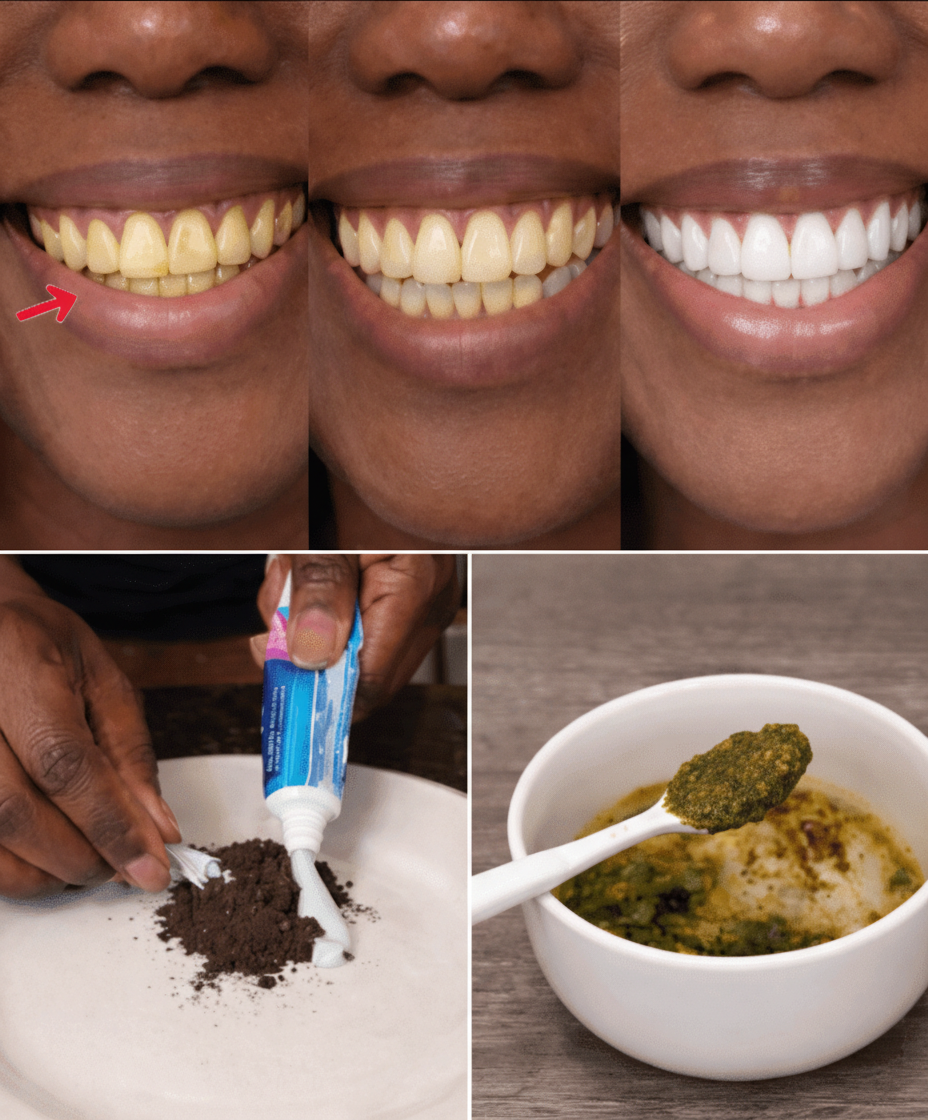
- Combine approximately half a teaspoon of baking soda with your regular fluoride toothpaste.
- Brush your teeth gently for a duration of two minutes.
- Restrict this practice to 2-3 times per week at most.
- Crucially, avoid daily application to prevent potential enamel abrasion and sensitivity.
2. Exploring Oil Pulling
Originating from ancient Ayurvedic traditions, oil pulling involves swishing a tablespoon of coconut or sesame oil in your mouth for 10 to 15 minutes. While not a direct bleaching agent, small studies suggest that this practice can contribute to a reduction in plaque and harmful bacteria, which in turn may lead to a cleaner, slightly brighter appearance over consistent use. It’s a gentle method focused on improving overall oral hygiene.
3. The Power of Crunchy Fruits and Vegetables
Incorporating crisp, fibrous fruits and vegetables into your diet offers a natural way to clean your teeth. Foods like apples, celery, carrots, and even strawberries act as natural scrubbers. Their firm texture helps to mechanically remove surface debris and plaque as you chew. Additionally, the malic acid found in strawberries is believed to offer minor, supplementary natural teeth whitening at home benefits, contributing to a fresher-looking smile.
4. Foundational Daily Preventive Habits
Beyond specific whitening methods, consistent daily habits form the bedrock of maintaining a bright and healthy smile. Simple adjustments to your routine can significantly impact your teeth’s natural radiance:
- Brush your teeth meticulously twice a day using a fluoride toothpaste to strengthen enamel and remove plaque.
- Floss daily to effectively remove plaque and food particles from between your teeth and along the gumline.
- Rinse your mouth thoroughly with water immediately after consuming highly staining foods or dark beverages.
- Consider using a straw when drinking coffee, tea, or soda to minimize direct contact with your tooth surfaces.
Comparing Natural Home Remedies with Professional Whitening Options
To provide a clearer perspective, here’s a quick comparison of the natural at-home methods discussed and more established, proven teeth whitening options. This table highlights their potential effectiveness, safety, cost, and typical duration of results, helping you make informed decisions for your smile.
| Method | Potential Effectiveness | Safety Level | Cost | Duration of Results |
|---|---|---|---|---|
| Gentle Baking Soda Use | Mild surface stain removal | Generally safe if used moderately | Very low | Maintenance only |
| Oil Pulling | Minor cleanliness boost, subtle brightening | Safe | Low | Temporary, requires consistent use |
| Crunchy Fruits/Vegetables | Minor mechanical cleaning, very subtle effect | Safe | Free (part of diet) | Temporary |
| ADA-Approved Whitening Toothpaste | Moderate surface stain removal | Safe for regular use | Low to Moderate | Ongoing with consistent use |
| Professional Whitening (Dentist) | Significant, noticeable brightening | Safe when professionally supervised | Higher | Months to years, depending on care |
Achieving Your Brighter Smile Safely
Embarking on a journey for a brighter smile doesn’t have to involve harsh chemicals or questionable fads. By understanding the causes of tooth discoloration and adopting evidence-backed natural teeth whitening at home practices, you can make meaningful progress towards enhancing your smile’s radiance. Remember, the key lies in consistency, moderation, and always prioritizing your dental health. Combine these gentle methods with diligent daily oral hygiene, and consult with your dentist for personalized advice, especially if you have persistent intrinsic stains or concerns about sensitivity. A healthy, confident smile is within reach!