 By admin
 The Silent Threat: Understanding Intestinal Worms
Intestinal worms, a group of parasitic organisms including common types like roundworms, hookworms, pinworms, whipworms, and tapeworms, are a far more prevalent health concern globally than many people realize. They thrive particularly in regions grappling with limited access to clean drinking water, inadequate sanitation infrastructure, or environments where soil is contaminated with human waste. Across numerous tropical and subtropical areas, such as rural communities in countries like Vietnam (e.g., Dak Lak province), individuals of all ages can harbor these parasites for extended periods, often without experiencing any overt symptoms.
Left unchecked, these insidious invaders silently deplete essential nutrients, compromise the body’s immune defenses, and lead to a spectrum of chronic health issues. These problems are frequently misattributed to general fatigue, poor dietary habits, or simply ‘normal’ developmental delays. This is precisely why deworming — a straightforward and highly effective intervention involving a safe, single-dose medication (typically albendazole or mebendazole) — stands out as one of the most accessible and cost-efficient public health strategies available today. Its benefits extend beyond treating the infected individual; it plays a crucial role in disrupting the parasitic transmission cycle, thereby safeguarding entire families and communities.
Recognizing the Signs of Intestinal Worm Infestation
While many parasitic infections initially present with no symptoms or only very mild discomfort, specific indicators tend to emerge as the infestation progresses. Being aware of these signs is crucial for timely intervention:
- Unexplained Weight Loss or Stunted Growth: Parasitic worms actively consume vital nutrients intended for the host, leading to significant weight loss or, particularly in children, a failure to gain weight and grow at a healthy rate.
- Persistent Fatigue and Weakness: A common symptom is chronic tiredness, weakness, or dizziness, often a direct result of iron-deficiency anemia caused by blood-feeding worms like hookworms.
- Digestive Disturbances: Sufferers frequently report abdominal pain, uncomfortable bloating, nausea, recurring diarrhea, or vomiting, stemming from irritation or blockages within the intestinal tract.
- Anal Itching: Intense itching around the anus, especially prominent during nighttime hours, is a classic tell-tale sign of pinworm infection.
- Changes in Appetite: Children may exhibit a noticeable loss of appetite or develop unusual eating habits.
- Teeth Grinding (Bruxism): While not exclusive to parasitic infections, teeth grinding during sleep has sometimes been associated with the irritation caused by worms.
- Respiratory Symptoms: In cases where worm larvae migrate through the lungs, individuals may experience coughing or wheezing, commonly seen with roundworm infections.
- Visible Worms in Stool: The unequivocal evidence of an infection is the presence of visible worms or worm segments in bowel movements.
- Impaired Cognitive Function: For children, chronic nutrient depletion can severely impact brain development, leading to poor concentration, restlessness, and a noticeable decline in school performance.
The Profound Impact of Deworming: 8 Essential Health Benefits
Regular deworming is more than just a treatment; it’s a foundational step towards comprehensive health and well-being. Here are eight critical ways it safeguards and enhances health:
- Combats Anemia and Boosts Blood Health: Blood-feeding parasites, particularly hookworms, are notorious for causing significant iron loss. Consistent deworming helps replenish healthy blood iron levels, alleviating symptoms like weakness, dizziness, pale skin, and chronic fatigue. This is especially vital for children and expectant mothers, who have increased nutritional demands.
- Fosters Optimal Growth and Development in Children: Intestinal worms directly impede nutrient absorption and can suppress appetite. By eliminating these parasites, the body can efficiently utilize food, leading to healthier weight gain, improved height, enhanced cognitive development, and better academic outcomes.
- Enhances Concentration and Learning Abilities: Children burdened with parasitic infections often struggle with restlessness, drowsiness, and a general feeling of malaise. Post-deworming, many exhibit a remarkable improvement in focus, energy levels, and overall academic engagement.
- Strengthens the Immune System: Parasites place a constant strain on the immune system, making the body more susceptible to other illnesses. Clearing these invaders allows the immune system to rebound and more effectively defend against a range of infections.
- Alleviates Digestive Discomfort: Deworming effectively reduces common gastrointestinal issues such as abdominal pain, bloating, persistent diarrhea, nausea, and the irritating anal itching. This translates to significantly improved daily comfort and a healthier appetite.
- Prevents Severe Long-Term Health Complications: Unaddressed heavy worm infestations can lead to grave consequences, including intestinal blockages, severe malnutrition, delayed puberty, profound anemia, and even irreversible organ damage. Regular deworming dramatically mitigates these serious risks.
- Interrupts the Cycle of Transmission: Treating infected individuals significantly curtails the spread of parasitic eggs into the environment (through soil, water, and food). This collective action is crucial for protecting not only the immediate household but also schools and the wider community from reinfection.
- Maximizes Nutritional Uptake from Every Meal: Once the parasitic burden is lifted, the body’s ability to absorb essential vitamins, minerals, and calories from food is vastly improved. This means every meal contributes more effectively to sustained energy, healthy growth, and robust long-term health.
Populations at Elevated Risk of Intestinal Worms
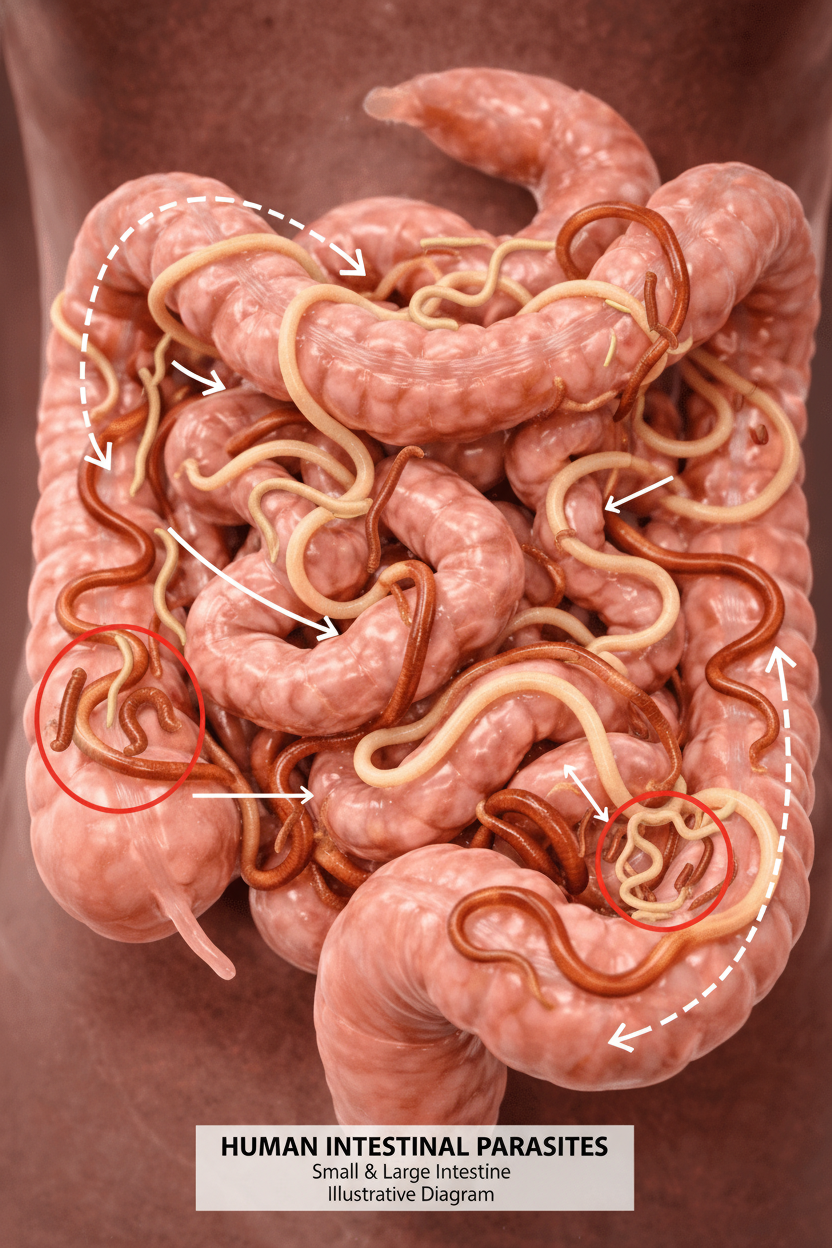
While anyone can contract intestinal worms, certain groups face a higher likelihood of infection, particularly in vulnerable regions. Understanding these risk factors is key to targeted prevention:
- Children, Especially School-Aged: Young children frequently play in soil, may walk barefoot, and often have less developed hygiene habits, making them highly susceptible.
- Agricultural Workers and Gardeners: Individuals whose occupations involve direct contact with soil, such as farmers and gardeners, are at increased risk of exposure.
- Communities with Suboptimal Water and Sanitation: Households relying on untreated water sources or lacking proper sanitation facilities are particularly vulnerable to parasitic transmission.
- Consumers of Undercooked Food: Eating inadequately cooked meat or fish, or consuming unwashed vegetables, can introduce parasites into the body.
- Pregnant Women and Young Children: These groups have elevated nutritional requirements, making the impact of parasitic infections potentially more severe on their health and development.
Effective Deworming Protocols and Prevention Strategies
Implementing effective deworming practices, coupled with robust hygiene measures, is paramount for sustainable health outcomes:
Recommended Medications and Dosage:
- The most commonly prescribed and highly effective medications are Albendazole or Mebendazole.
- These are typically administered as a safe, single oral dose (e.g., 400 mg for adults and children over two years of age).
- Both medications are widely available, affordable, and can be obtained from local pharmacies or health centers.
Optimal Deworming Schedule:
- For Children in High-Risk Areas: The World Health Organization (WHO) recommends deworming every six months to maintain protection.
- For Adults: It is advisable to deworm one to two times per year, or whenever symptoms of an infection become apparent.
- For Pregnant Women: Deworming is often safely integrated into antenatal care programs, typically after the first trimester.
Essential Hygiene Practices to Prevent Reinfection:
Beyond medication, daily hygiene plays a critical role in preventing the recurrence of parasitic infections:
- Handwashing: Always wash hands thoroughly with soap and clean water before preparing or eating food, and immediately after using the toilet.
- Footwear: Consistently wear shoes or sandals when outdoors, especially when walking on soil or in potentially contaminated areas.
- Water Safety: Prioritize drinking clean, safe water. If the source is questionable, always boil water before consumption.
- Food Preparation: Meticulously wash all fruits and vegetables before eating them, and ensure meat and fish are cooked thoroughly.
- Nail Hygiene: Keep fingernails short and clean to prevent the accumulation of parasitic eggs.
- Improved Sanitation: Advocate for and implement better household and community sanitation practices to reduce environmental contamination.
A Proactive Step Towards Global Health
The significance of regular deworming cannot be overstated. It represents a simple yet incredibly powerful public health tool that offers extensive benefits, from enhancing individual well-being and development to fostering healthier communities. By understanding the risks, recognizing the signs, and adopting consistent preventive measures alongside timely treatment, we can collectively combat the widespread challenge of intestinal parasitic infections, paving the way for a healthier, more vibrant future for everyone.