 By admin
 Often admired for its striking, trumpet-shaped blossoms, the Datura plant, sometimes referred to as ‘Angel’s Trumpet,’ frequently graces parks, roadsides, and gardens worldwide. Yet, beneath its alluring facade lies a potent danger that many remain unaware of. Unintentional contact or ingestion, particularly by curious children or unsuspecting pets, can trigger severe symptoms necessitating immediate medical intervention. A foundational understanding of how to accurately identify the Datura plant is paramount for fostering safer outdoor environments for everyone. Are you keen to learn how to distinguish this potentially hazardous botanical and understand the critical reasons for exercising caution? This comprehensive guide delves into dependable identification strategies and essential safety protocols, complemented by a straightforward comparison chart to dispel common ambiguities.
🌿 Understanding the Datura Plant: A Widespread Yet Perilous Presence
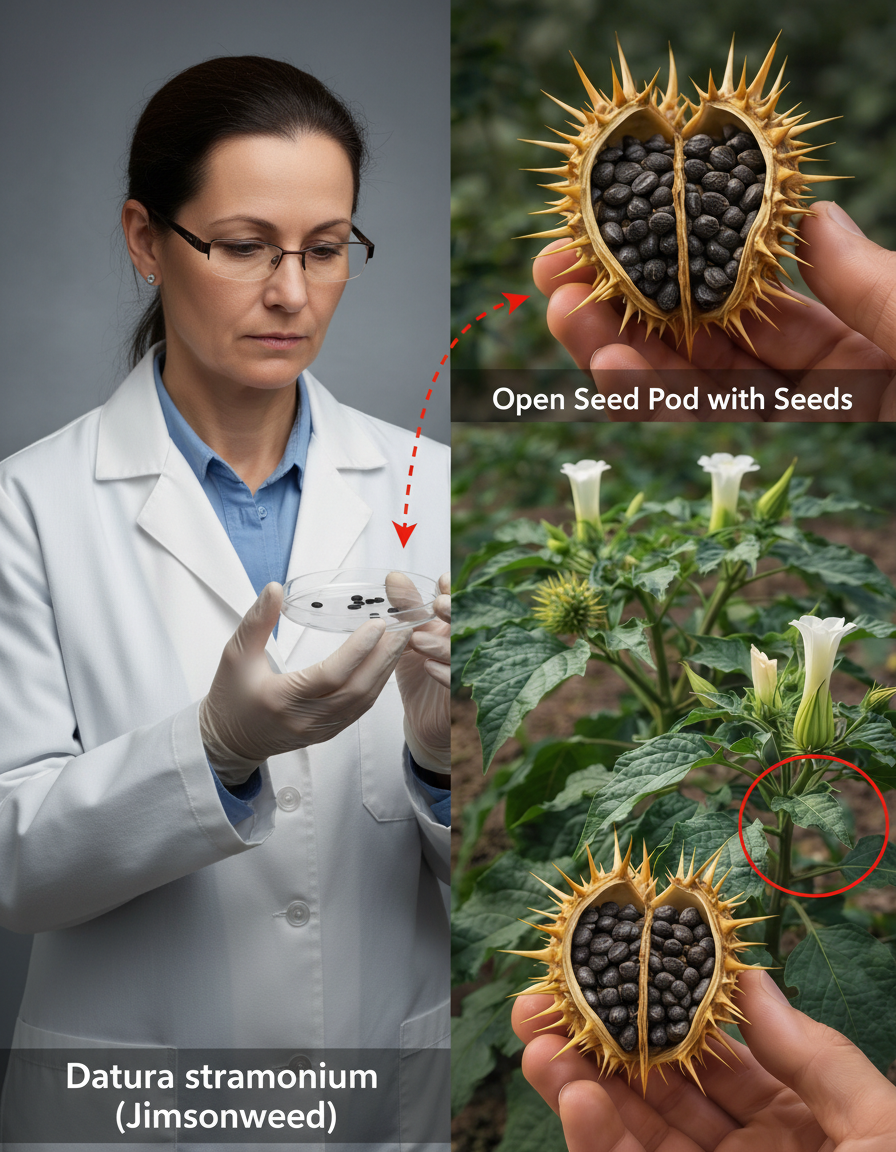
Known by various common names such as jimsonweed, thornapple, or devil’s snare, the Datura plant is a prolific wild grower found across diverse regions, including extensive parts of the United States and numerous international locales. Specific species, like Datura stramonium, are characterized by their prominent flowers and distinctive spiny seed pods, frequently emerging in disturbed environments such as neglected fields, construction sites, or alongside roadways. Despite its captivating aesthetic, it is crucial to recognize that every component of the Datura plant harbors natural compounds capable of inducing severe adverse reactions. Poison control centers routinely document incidents of accidental exposure, predominantly stemming from a lack of awareness regarding its inherent toxicity. Early and accurate recognition of the Datura plant is therefore vital for mitigating potential risks during outdoor pursuits. But what precisely sets it apart from benign flora? The following distinct characteristics provide a clear roadmap for identification.
🌺 Identifying Features of the Datura Plant: What to Look For
Precise identification of the Datura plant is your first line of defense against accidental harm. Pay close attention to these distinguishing characteristics:
- Striking Flowers: Datura produces large, elegant trumpet-shaped blooms, typically in shades of white or purple. These fragrant flowers often unfurl at dusk, releasing a strong, sweet scent that attracts nocturnal pollinators.
- Distinctive Leaves: Its dark green leaves are notable for their jagged or tooth-like edges and an alternate arrangement along the stem.
- Unique Seed Pods: Perhaps the most definitive identifier, the Datura plant bears round, spiny seed pods, commonly referred to as “thornapples.” These prickly capsules are a clear differentiator from many other plants.
- Pungent Odor: Many Datura species emit an unpleasant or foul odor, particularly when their leaves are crushed.
This resilient plant flourishes during warmer periods, making summer and fall peak seasons for its observation. Educating your family members about these critical traits is instrumental in ensuring safer outdoor adventures.
⚠️ Potential Risks: The Hidden Dangers of the Datura Plant
Every component of the Datura plant, from its delicate flowers to its seeds, is laden with potent tropane alkaloids, including scopolamine and atropine. Exposure, whether through ingestion or even extended skin contact, can lead to a range of severe anticholinergic symptoms. Commonly reported effects encompass a parched mouth, impaired or blurred vision, an accelerated heart rate, profound confusion, vivid hallucinations, and in dire situations, life-threatening complications affecting the cardiovascular and central nervous systems. Incidents frequently arise from accidental ingestion by young children or household pets, or regrettably, from intentional misuse by individuals seeking its powerful, yet dangerously unpredictable, hallucinogenic properties. Medical research indicates that symptoms can manifest rapidly and persist for several hours or even days. While many individuals recover with swift and appropriate medical intervention, the inherent dangers posed by the Datura plant unequivocally highlight the critical importance of complete avoidance.
🛡️ Emergency Protocol: What to Do After Datura Plant Exposure
Should any individual come into contact with or ingest any part of the Datura plant, immediate action is paramount:
- Seek Urgent Medical Attention: Contact your local poison control center without delay or proceed directly to the nearest emergency medical facility.
- Act Swiftly: Do not postpone seeking help, even if symptoms appear mild, as they can rapidly escalate.
- Provide Crucial Information: Furnish medical personnel with as many details as possible about the plant, including the part consumed and the estimated quantity, to facilitate quicker and more effective treatment.
Prompt medical intervention is critical, as specialized supportive care may be required to manage the toxic effects. Ultimately, preventing exposure by keeping the Datura plant away from homes and public areas is the most effective strategy to avert such serious concerns. Are you intrigued by plants that bear a resemblance but are non-toxic? The subsequent section addresses common confusions.
🔍 Datura Plant vs. Common Look-Alikes: Avoiding Costly Mix-Ups
It’s not uncommon for the Datura plant to be mistaken for less harmful species, such as morning glories (Ipomoea) or even its close relative, Brugmansia (also known as ‘Angel’s Trumpet,’ a distinct genus with similar toxicity). To prevent dangerous misidentifications, consult this comparative table:
| Feature | Datura Plant (e.g., Jimsonweed) | Morning Glory (Ipomoea) | Brugmansia (True Angel’s Trumpet) |
|---|---|---|---|
| Flower Direction | Erect or slightly nodding trumpets, often pointing upwards or outwards. | Flat or upright funnel-shaped blooms, typically opening towards the sky. | Large, dramatic, bell-shaped flowers that hang downwards like pendants. |
| Leaves | Jagged, toothed edges; dark green; often emit an unpleasant odor when crushed. | Distinctive heart-shaped leaves, generally smooth in texture. | Smooth, elongated, and often larger leaves compared to Datura. |
| Seed Pods | Spherical, spiny “thornapples” – a key distinguishing feature. | Smooth, relatively inconspicuous capsules. | Smooth, elongated, and often woody pods. |
| Growth Habit | Typically a bushy, annual weed, growing low to the ground. | A vigorous climbing or trailing vine. | A woody shrub or small tree, reaching significant heights. |
| Toxicity Level | Extremely high toxicity; all parts are highly poisonous. | Seeds are mildly toxic in large quantities, generally considered non-lethal. | High toxicity; all parts are poisonous, similar to Datura. |
This detailed comparison underscores the imperative of careful observation when encountering trumpet-like flowers in your environment. The Datura plant’s characteristic spiny seed pods serve as an unmistakable identifier, crucial for avoiding dangerous errors.
🛑 Prevention Tips: Ensuring Safety Around the Datura Plant
Adopting these straightforward precautionary measures can significantly minimize the risks associated with the Datura plant:
- Educate Children: Instill in children the crucial rule never to touch, pick, or taste any unknown plant without adult supervision.
- Practice Safe Gardening: Always wear protective gloves when gardening or performing yard work, especially in areas where Datura plants might naturally occur or have been previously sighted.
- Safe Removal: If you identify a Datura plant on your property, consult local agricultural or environmental guidelines for its safe and complete removal. Avoid direct skin contact and ensure all plant parts are disposed of securely.
- Supervise Pets: Keep a close eye on pets when they are outdoors, as their natural curiosity can lead them to investigate and potentially ingest hazardous plants.
- Utilize Trustworthy Resources: When in doubt about a plant’s identity, always refer to reputable botanical guides, university extension services, or local experts for accurate identification.
By implementing these proactive steps, families can safely enjoy the outdoors while effectively mitigating the potential dangers posed by the Datura plant.
”
}
“`