 By admin
 Caring for a loved one in their final days brings a unique set of challenges, often accompanied by uncertainty regarding changes in breathing or unfamiliar sounds. These moments can be emotionally overwhelming, leading to feelings of concern and helplessness as families strive to offer comfort without a complete understanding of what is occurring. However, gaining insight into these natural physiological responses can provide much-needed clarity and peace during a difficult time.
This article aims to demystify one particular end-of-life breathing sound, commonly known as the “death rattle.” We will delve into its causes, explain how families and caregivers can respond effectively, and share a surprising fact about its prevalence that may transform your perspective on end-of-life care.
What Is This Sound and When Does It Typically Occur?
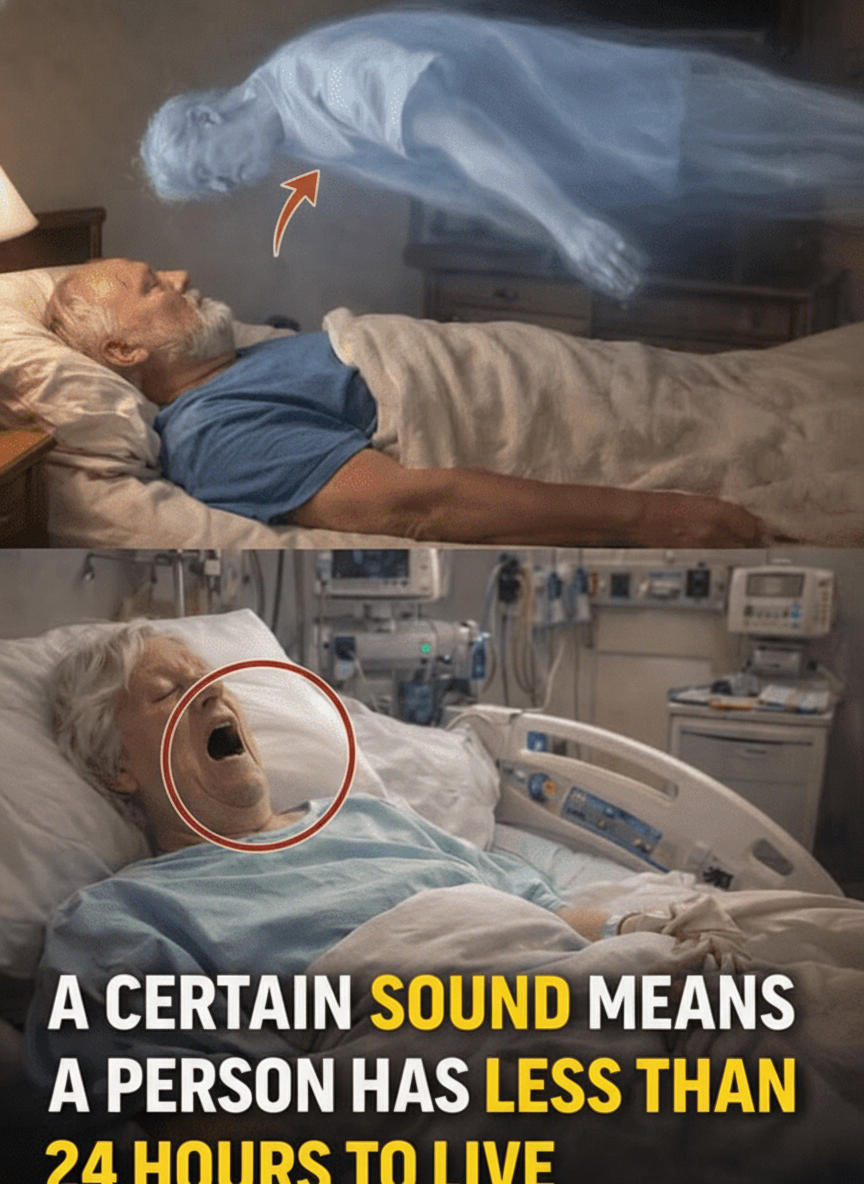
While often depicted dramatically in media, the distinctive sound signaling the body’s transition at the end of life is medically termed the “death rattle.” This gurgling or rattling noise originates from the throat or chest as a person breathes. Its occurrence is due to the accumulation of saliva and other secretions in the airways, a natural consequence of the diminishing ability to swallow or cough effectively.
Typically, this specific breathing pattern emerges within the final 24 to 48 hours of life, although its timing can vary based on an individual’s specific health condition. It is particularly prevalent among individuals with advanced terminal illnesses, such as cancer or severe heart failure, where bodily functions gradually slow down. Research from reputable organizations like the American Hospice Foundation indicates that a significant majority, up to 92% of individuals receiving hospice care, will experience this phenomenon at some point. Crucially, it is considered a natural component of the dying process and, in most instances, does not signify pain or distress for the individual.
Why Does the Body Produce This Sound?
To understand the mechanics behind this sound, let’s explore the physiological changes that occur. As the body approaches its final stages, muscles throughout the body begin to relax, including those responsible for clearing the throat and chest. This muscular relaxation impairs the person’s capacity to effectively manage and clear secretions.
Interestingly, the sound itself does not arise from a struggle for air to pass. Instead, it is akin to the sound of air bubbling through a liquid, much like blowing into a drink with a straw. Fluids collect in the airways because the swallowing reflex weakens considerably, often exacerbated by a decreased level of consciousness or the effects of certain medications. Furthermore, studies published in the Journal of Palliative Medicine suggest that factors such as dehydration or specific infections can contribute to making this sound more pronounced. It is vital to remember that this phenomenon is not a cause for alarm; rather, it represents the body’s inherent process of transitioning.
Common Misconceptions About End-of-Life Sounds
One of the most common misunderstandings surrounding the “death rattle” is that it indicates choking or severe suffering, which often leads to unnecessary panic among family members. In reality, experts, including those from the National Institute on Aging, clarify that the individual experiencing this sound is typically unaware of it, being in a deep state of rest or unconsciousness. Another prevalent myth is that the presence of this sound invariably signals imminent death within a few hours. While it often marks the final stages of life, some individuals, particularly those with pre-existing respiratory issues, may experience it earlier.
Dispelling these misconceptions can significantly help families shift their focus from alarm to providing comfort and support. Understanding these nuances allows loved ones to approach the situation with greater tranquility and compassion.
How Families Can Respond When They Hear This Sound
When confronted with this sound, maintaining a calm demeanor is paramount for caregivers. Here is a practical guide outlining simple, effective steps to offer comfort:
- Gently Reposition the Person: Carefully turning the individual onto their side can facilitate the natural drainage of fluids. It is crucial to avoid any forceful movements that could cause discomfort.
- Consider Suction if Advised: In specialized hospice environments, gentle oral suction may be employed. However, this procedure should only be performed under the direct guidance and supervision of a trained healthcare professional.
- Maintain Oral Moisture: Regularly swabbing the person’s mouth with a damp cloth or sponge can alleviate dryness and promote comfort without interfering with the body’s natural processes.
These compassionate measures, frequently recommended by palliative care specialists, are designed to uphold the individual’s dignity and enhance their ease. Furthermore, maintaining open communication with healthcare providers is essential, ensuring you receive continuous support and guidance throughout this delicate period.
The Emotional Impact on Loved Ones and How to Cope
Hearing the “death rattle” can understandably trigger a cascade of intense emotions in loved ones, ranging from profound grief and fear to feelings of guilt or inadequacy. It is entirely normal to experience these emotions, as this sound serves as a poignant reminder of the inevitable transition. Research highlighted in the British Medical Journal suggests that families who possess a clear understanding of these end-of-life signs often report experiencing less regret in the aftermath.
Finding support through open dialogue with others who have navigated similar experiences can be incredibly beneficial. Consider exploring online forums or joining support groups, often available through organizations like the Hospice Foundation of America. Sharing your experiences can significantly alleviate the emotional burden and foster a sense of shared understanding. Now, let’s contextualize this sound by comparing it with other common end-of-life changes.
Comparing the “Death Rattle” with Other End-of-Life Changes
Understanding the “death rattle” within the broader context of other end-of-life signs can help caregivers recognize and respond appropriately to the body’s natural processes. Here’s a brief comparison of common changes observed in the final stages:
| Change | Description | What It Might Mean |
|---|---|---|
| Breathing Patterns | Irregular, shallow breaths, sometimes with pauses (Cheyne-Stokes respiration). | The body is conserving energy; a natural part of the slowing down process. |
| Skin Changes | Mottled (patchy purplish-red/blue), cool to the touch, especially in extremities. | Circulation is slowing down and redirecting blood to vital organs. |
| The “Death Rattle” | A gurgling or rattling sound from the throat or chest during breathing. | Accumulation of secretions due to weakened swallowing and cough reflexes. |
Recognizing these signs as natural components of the dying process can empower families to provide compassionate and informed care during their loved one’s final journey.