 By admin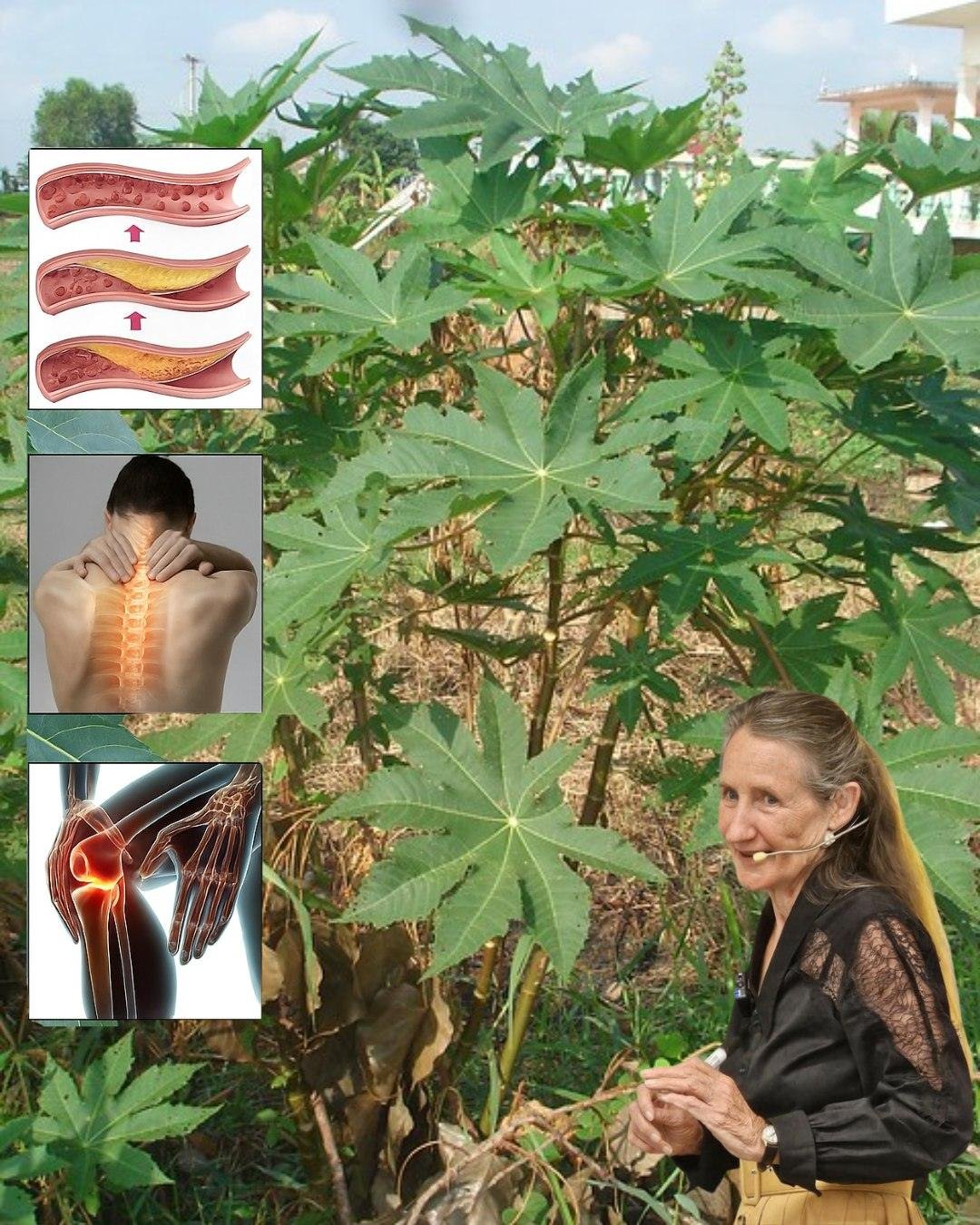
Imagine a plant so stunning it graces gardens worldwide, yet harbors a poison deadlier than cyanide—capable of felling a grown adult with just a few seeds. Meet the castor bean plant (Ricinus communis), a tropical marvel that’s equal parts allure and danger. Native to ancient lands and cultivated for centuries, this fast-growing shrub isn’t just a pretty face; it’s a powerhouse behind everything from life-saving medicines to industrial wonders. But beneath its glossy leaves lies ricin, one of nature’s most potent toxins. Curious about how this double-edged wonder can transform your garden, fuel your health, or even intrigue history buffs? Let’s journey through its captivating world, where beauty meets peril in the most unexpected ways.

Why the Castor Bean Plant Captivates and Concerns
🌿 The castor bean plant stands out as a botanical enigma—vibrant, versatile, and veiled in mystery. For gardeners, it’s a showstopper with its towering height and exotic foliage. For healers, it’s a source of castor oil, a remedy whispered about in ancient texts. Yet, its toxic seeds remind us of nature’s raw power, demanding respect and caution. Whether you’re dreaming of an ornamental addition to your yard or fascinated by its historical role in medicine and even warfare, this plant offers layers of discovery. Dive deeper, and you’ll uncover how one species can embody both healing and harm, inviting you to explore its full potential safely.
General Characteristics: The Basics of a Botanical Giant
🌱 At its core, the castor bean plant is a resilient survivor, thriving in warm climates while adapting to cultivation around the globe. Scientifically known as Ricinus communis, it belongs to the Euphorbiaceae family, sharing kinship with spurges known for their milky sap and diverse forms. Originating from the sun-drenched regions of Africa and India, it has spread to tropical and subtropical areas worldwide, becoming a staple in landscapes from Brazil to Southeast Asia.
In ideal conditions, it grows as a perennial shrub or small tree, reaching impressive heights of 6 to 10 feet in a single season. In frost-prone temperate zones, it behaves like an annual, bursting forth with vigor before winter’s chill. Some varieties soar up to 40 feet in their native habitats, creating natural canopies that shade and shelter. This rapid growth—often adding several inches daily—makes it a favorite for quick privacy screens, but it also hints at its invasive potential in unchecked environments. Understanding these traits helps you appreciate why this plant has captivated cultivators for millennia.
Appearance and Identification: Spotting the Exotic Beauty
🍃 The castor bean plant’s visual appeal is undeniable, drawing eyes with its dramatic, hand-shaped leaves that unfurl like green palms under the sun. Each leaf, spanning up to 3 feet across, features 5 to 12 deeply lobed segments, creating a starburst effect that’s both elegant and bold. Colors vary by variety—deep glossy green for classic types, or vibrant reds and purples for showier cultivars—adding a tropical flair to any garden. These leaves aren’t just pretty; they’re tough, with a waxy coating that helps the plant retain moisture in arid conditions.
The flowers, though subtle, add to the intrigue. As a monoecious plant, it produces separate male and female blooms on the same stalk, with females crowning the top in delicate clusters and males hanging below in spiky inflorescences. They’re small and yellowish-green, often overlooked amid the foliage’s grandeur. But the real stars—and the source of danger—are the seeds. Encased in spiny, red-to-brown capsules that burst open when ripe, these shiny, oval beans sport mottled patterns of brown, black, or gray. Each seed’s beauty belies its toxicity, making identification crucial for safe handling. Spot one in the wild or a garden, and you’ll recognize its unmistakable silhouette—a testament to nature’s artistry.
Growing Conditions and Cultivation: Cultivating the Castor Bean
☀️ Dreaming of growing your own castor bean plant? It’s surprisingly straightforward for those who love a challenge, rewarding patience with explosive growth and exotic vibes. This sun-lover demands full exposure—at least 6 to 8 hours of direct sunlight daily—to reach its potential. In the heat of tropical or subtropical zones, it flourishes, but even in milder climates, it can thrive as an annual spectacle.
Soil is key: opt for well-drained, fertile loam that’s neutral to slightly acidic, with a pH of 6.0 to 7.5. It tolerates poorer soils but repays rich, amended earth with lush foliage. Water moderately, keeping the soil consistently moist without sogginess—once established, it’s remarkably drought-tolerant, bouncing back from dry spells like a true survivor. Temperatures between 70 and 90°F (21–32°C) are its sweet spot; anything below freezing will send it into dormancy or demise, so protect young plants from frost.
Propagation is a breeze: soak those tough seeds overnight in warm water to soften their coats, then plant in spring after the last frost. They sprout in 7 to 14 days, eager to climb. Space them 3 to 5 feet apart for airflow, preventing disease and allowing their branches to spread. With minimal fuss, you’ll have a towering beauty in months, but remember—its speed means vigilance against overgrowth. Whether in pots for patios or borders for beds, cultivating castor beans connects you to ancient agricultural traditions, turning your yard into a living legacy.
Uses of the Castor Bean Plant: From Garden to Global Impact
🛠️ The castor bean plant’s versatility extends far beyond aesthetics, weaving into industries, remedies, and even pest management. Industrially, it’s a star: the seeds yield castor oil, a golden liquid prized for its unmatched viscosity and stability. This oil lubricates engines, fuels biodiesel, and forms the base for cosmetics, plastics, and paints—touching everything from your lipstick to your car’s mechanics. Its resistance to oxidation makes it indispensable in high-heat applications, powering economies in castor-producing nations.
Medicinally, castor oil has soothed ailments for ages. As a natural laxative, it gently relieves constipation; topically, it moisturizes skin and eases inflammation from arthritis or dry patches. Traditional healers in India and Africa have long used it for joint pain and wound care, and modern users swear by it for hair growth and nail strength. Ornamentally, its bold leaves make it a landscaping hero—plant it as a windbreak, privacy hedge, or focal point in exotic gardens, where its rapid rise creates instant drama.
Even in pest control, it shines: the plant’s natural compounds repel insects, moles, and rodents, serving as a living barrier in organic farms or home plots. From fueling machines to healing bodies, the castor bean’s uses remind us how one plant can multitask on a grand scale, offering endless inspiration for sustainable living.
Toxicity and Dangers: The Dark Side of Ricin
⚠️ Beauty often hides peril, and the castor bean plant is no exception. Its seeds pack ricin, a protein toxin so lethal that one or two can prove fatal to an adult—making it one of nature’s deadliest defenses. This poison targets cells, halting protein synthesis and leading to organ failure if ingested. Leaves and stems hold trace amounts, but the beans are the real threat, their shiny allure a siren call to the unwary.
Symptoms strike fast: nausea, vomiting, bloody diarrhea, and dehydration escalate to seizures and collapse within hours. Skin contact might irritate, while rare inhalation of processed ricin could ravage lungs. History whispers of its weaponization—studied by nations for biowarfare due to its potency—but in gardens, it’s a household hazard.
Handle with care: always wear gloves when pruning or harvesting, keep plants far from children and pets, and never ingest raw seeds. If exposure occurs, rush to medical help—there’s no antidote, but prompt care like activated charcoal can save lives. This toxicity underscores a vital lesson: respect nature’s boundaries to safely enjoy its gifts.
Pest and Disease Control: Keeping Your Castor Thriving
🐛 Even resilient plants face foes, but the castor bean’s vigor makes control manageable. Aphids cluster on new growth, sapping sap—blast them with water or treat with neem oil for an organic fix. Spider mites thrive in dry air, webbing leaves; boost humidity and apply horticultural oil to smother them. Caterpillars munch foliage—handpick for small infestations or deploy Bacillus thuringiensis for eco-friendly defense.
Diseases like root rot or leaf spot sneak in with overwatering—ensure excellent drainage and spacing for airflow. Fungal foes love humidity, so prune for ventilation and avoid overhead watering. With vigilant care, these issues stay minor, letting your plant’s strength shine through seasons of splendor.

Harvesting and Oil Extraction: From Seed to Elixir
🌾 Ready to reap the rewards? Harvest seeds when capsules dry to brown and split, signaling maturity. Gloved hands gather the spiny pods carefully, drying them indoors away from drafts. For oil, cold-pressing squeezes the golden liquid from roasted seeds, yielding pure, ricin-free essence—though industrial solvent methods scale up production.
This process transforms toxic beans into a versatile oil, used in soaps, medicines, and fuels. Home enthusiasts can experiment with small presses, but pros handle refinement to neutralize poisons. It’s a fascinating alchemy, turning danger into daily utility.
The Castor Bean as an Invasive Species: Taming the Wild
🌍 In warm climes, the castor bean’s enthusiasm turns invasive, seeding prolifically along roadsides and rivers. Its wind-dispersed pods colonize disturbed soils, outcompeting natives and altering ecosystems. In places like Australia and the U.S. Southwest, it’s a managed menace—cut plants before seeding, apply herbicides judiciously, or mulch to smother growth.
By containing its spread, we preserve biodiversity while harnessing its benefits, balancing its wild heart with human wisdom.
Fascinating Facts: Myths, History, and Marvels
🔬 The castor bean plant pulses with intrigue. It’s among the fastest growers, rocketing to maturity in one season—a marvel of botanical speed. Ancient Egyptians burned its oil in lamps and prescribed it for eye ailments, while Cleopatra reportedly used it in beauty rituals. Its ricin drew dark interest: the U.S. and Russia explored it as a bioweapon in the 20th century, though treaties curbed such pursuits.
Today, it’s a symbol of duality—healing oil from poisonous seeds—reminding us of nature’s profound complexity. Varieties like ‘Carmencita’ dazzle with red leaves, while hybrids promise dwarf sizes for pots. These tidbits make the castor bean not just a plant, but a story worth telling.
Embracing the Castor Bean: Beauty, Benefit, and Caution
The castor bean plant weaves a tapestry of wonder and warning, from its lush growth to its life-altering oil. For gardeners, it’s an exotic thrill; for innovators, an industrial gem; for healers, a natural aid. Yet, ricin’s shadow demands mindful cultivation—gloves on, seeds secured, invasiveness checked.
Whether adorning your landscape or fueling curiosity, this plant invites you to explore nature’s bold edges. Plant it, learn it, respect it—and let its secrets enrich your world. Your garden awaits its dramatic touch.
✨ One plant, infinite stories. Discover the castor bean’s allure today.