 By admin
 Meta Description: Uncover the hidden dangers within seemingly innocent produce. Explore 10 of the world’s most perilous fruits, notorious for causing severe poisoning, allergic responses, and in extreme cases, fatality. Equip yourself with knowledge on how to identify and safely navigate these risks.
It’s natural to perceive fruits as universally healthy and innocuous additions to our diet. However, beneath their appealing exteriors, certain fruits harbor significant dangers. These can range from potent natural toxins and compounds that release deadly cyanide to substances that overwhelm the body’s systems, leading to severe illness or even fatal outcomes. What’s particularly alarming is that these aren’t exotic rarities confined to remote jungles; many are found in common gardens, local markets, or popular tourist destinations. Their deceptive appearance, often looking perfectly edible, can easily mislead even seasoned foragers and consumers. The crucial takeaway, however, is that informed awareness is your strongest defense. By grasping these potential hazards and adhering to straightforward safety guidelines, you can safely enjoy the bounty of nature. Continue reading to gain insights that could prove invaluable, potentially safeguarding yourself or a loved one from a perilous misstep.
1. Ackee Fruit – Jamaica’s Deceptive National Delicacy
The Ackee fruit, proudly recognized as Jamaica’s national fruit, presents a vibrant and inviting appearance when it reaches maturity. Nevertheless, consuming unripe ackee poses a significant threat due to the presence of hypoglycin A. This potent toxin severely impairs the body’s capacity to convert fats into energy, resulting in a grave condition known as Jamaican vomiting sickness. Sufferers experience extreme vomiting, dangerously low blood sugar levels, seizures, and can progress to coma or, in severe instances, death. Extensive research underscores the absolute necessity of meticulous preparation.
For safe consumption, ackee must only be eaten after its pods have naturally opened, revealing fully ripened fruit. Crucially, the black seeds within the fruit must be discarded completely, as they retain their toxic properties even after thorough cooking. A vital safety recommendation: when visiting the Caribbean, always consult local residents or seek out official ripeness advisories before attempting to consume this unique fruit.
2. Manchineel Fruit – The World’s Most Perilous Tree
Widely known as the “tree of death,” the Manchineel tree bears small, green fruits that deceptively resemble miniature crab apples. However, every single component of this tree—from its fruit, sap, and leaves to its bark—is laden with potent irritants, specifically phorbol esters. Merely touching any part of the Manchineel can lead to agonizing blistering skin burns and severe eye irritation. Inhaling smoke from burning branches can cause dangerous swelling of the throat, obstructing airways.
Ingesting even a minuscule portion of the fruit provokes excruciating pain in the mouth and throat, significant swelling, extensive digestive tract damage, and can culminate in critical, life-threatening respiratory difficulties. Official warnings are prominently displayed for visitors across Florida, the Caribbean, and Central America, urging them to maintain a safe distance. Adding to its peril, standing beneath a Manchineel tree during rainfall can result in painful chemical burns from the toxic sap dripping onto the skin.
3. Elderberries – A Health Boost Only When Processed Correctly
Elderberries are celebrated for their immune-boosting properties, particularly when consumed in cooked preparations such as syrups and jams. Yet, raw or insufficiently ripened berries harbor cyanogenic glycosides, compounds that metabolize into cyanide once ingested. This can induce a range of unpleasant symptoms including nausea, vomiting, diarrhea, and dizziness, with larger quantities leading to more severe health complications. Scientific studies confirm that adequate cooking effectively neutralizes these harmful compounds.
Therefore, it is imperative to thoroughly boil elderberries before any culinary application. Furthermore, always ensure you remove all leaves, stems, and any unripe fruit before preparation.
Quick Safety Guidelines for Elderberries:
- Absolutely avoid consuming raw or under-ripe elderberries.
- Completely detach all stems and leaves from the berries.
- Boil the berries vigorously for a minimum of 10 to 15 minutes.
- If you are trying elderberries for the first time, begin with very small servings.
4. Apricot Kernels – Deceptively Marketed, Dangerously Toxic
Despite being occasionally promoted online as “natural” health supplements or alternative medicines, apricot kernels pose significant health risks. These kernels contain amygdalin, a compound that, upon digestion, converts into cyanide within the body. Ingesting even a modest quantity can precipitate severe symptoms such as headaches, disorientation, accelerated breathing, seizures, and in the worst-case scenario, prove fatal.
Leading health authorities globally, including the U.S. Food and Drug Administration (FDA) and the European Food Safety Authority (EFSA), unequivocally advise against their consumption. The inherent dangers associated with apricot kernels overwhelmingly eclipse any purported health advantages.
5. Starfruit (Carambola) – A Silent Threat for Vulnerable Individuals
The Starfruit, also known as Carambola, is widely appreciated for its distinctive bright and refreshing flavor. While most individuals can consume it in moderation without adverse effects, this fruit contains significant levels of oxalates and a specific neurotoxin that the kidneys find challenging to process and eliminate. This poses a particular hazard for those with pre-existing kidney conditions.
For individuals with compromised kidney function, even minimal servings of starfruit can trigger a cascade of severe symptoms, including persistent hiccups, intense vomiting, mental confusion, seizures, and in critical situations, can lead to coma or even death. Furthermore, even healthy individuals are advised to restrict their intake to prevent the gradual accumulation of these compounds over time, which could potentially lead to long-term health issues.
6. Rambutan – Mindful Consumption of the Seed
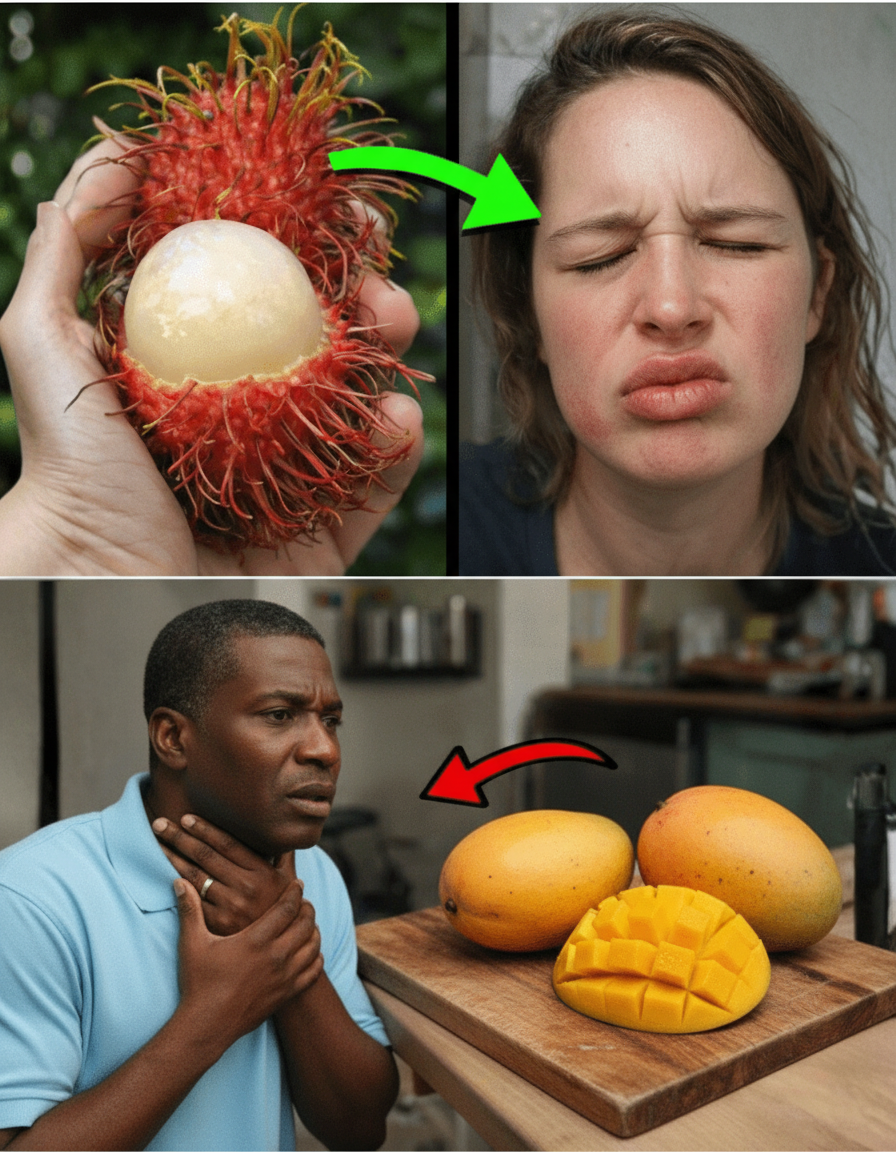
The Rambutan, a beloved tropical fruit, is celebrated for its succulent, sweet flesh, enjoyed by many across tropical climates. However, caution is advised regarding its seed; consuming it raw might present potential health risks. Certain accounts indicate that compounds within the raw seed could induce nausea or other forms of digestive discomfort. Additionally, rambutan that has become overripe may undergo fermentation, potentially upsetting sensitive stomachs.
To ensure a safe and enjoyable experience, always consume only the fresh, fully ripe flesh and ensure the seed is discarded. It is also important to note that the fruit’s peel is inedible.
7. Yew Berries – Alluring Yet Lethal
The vivid, glossy red Yew berries, with their appealing appearance, often attract both birds and curious children. While the fleshy outer aril of the berry is not considered highly toxic, the true danger lies within the seed. Each seed contains potent taxine alkaloids, compounds known to severely disrupt cardiac function. Ingesting these can lead to a dangerously slow heart rate (bradycardia), significant drops in blood pressure (hypotension), cardiac arrhythmias, and potentially fatal cardiac arrest.