 By admin
 The Complete Guide to Spiny Amaranth (Amaranthus spinosus): Benefits, Risks, and Safe Usage
Often perceived as a stubborn weed, Spiny Amaranth (Amaranthus spinosus) — also known as prickly amaranth, spiny pigweed, khada sag in India, or rau dền gai in Vietnam — thrives across tropical and subtropical landscapes worldwide. Despite its distinctive thorny stems and invasive tendencies, this resilient plant has been revered for centuries in diverse traditional medicine systems, including Ayurveda, Traditional Vietnamese Medicine, and African ethnobotany. Valued as both a nutritious food source and a powerful natural remedy, various parts of the plant, primarily its leaves and roots, along with occasional use of its seeds, are harvested for their therapeutic potential. While scientific understanding is still in its nascent stages, with much research confined to laboratory, animal, and preliminary human studies, modern findings are increasingly aligning with traditional wisdom, highlighting its promising anti-inflammatory, antioxidant, antimicrobial, and diuretic attributes.
Key Bioactive Compounds Found in Spiny Amaranth
The therapeutic prowess of Amaranthus spinosus stems from a rich array of naturally occurring compounds, each contributing to its health-promoting profile:
- Flavonoids (Quercetin, Kaempferol, Rutin): These potent plant compounds are celebrated for their powerful antioxidant capabilities and significant anti-inflammatory effects.
- Phenolic Acids: Crucial for cellular defense, these compounds actively safeguard cells from the damaging impact of oxidative stress.
- Saponins & Alkaloids: Known for their antimicrobial properties, these constituents also contribute to the plant’s mild diuretic action.
- Betacyanins (Pigments): Responsible for some of the plant’s vibrant colors, betacyanins offer antioxidant benefits and have shown potential anti-cancer activity in controlled laboratory settings.
- Minerals: Particularly abundant in the leaves, spiny amaranth is a good source of essential minerals such as potassium, magnesium, calcium, and iron.
10 Promising Benefits of Spiny Amaranth: Traditional Wisdom Meets Modern Insights
Harnessing centuries of traditional use alongside emerging scientific investigations, Spiny Amaranth offers a spectrum of potential health advantages:
- Potent Anti-Inflammatory Properties: At the forefront of its benefits, Amaranthus spinosus acts as a natural anti-inflammatory agent. Its rich flavonoid content is believed to inhibit critical inflammatory pathways, including COX-2, NF-κB, and TNF-α. Historically, it has been a go-to remedy for conditions like arthritis, joint pain, and muscle soreness. Contemporary animal studies lend credence to these claims, demonstrating a reduction in markers of inflammation and swelling.
- Robust Antioxidant Defense: Boasting an impressive ORAC (Oxygen Radical Absorbance Capacity) value, comparable to many superfruits, Spiny Amaranth excels at neutralizing harmful free radicals. This action is vital for mitigating cellular damage associated with aging, chronic inflammation, and various diseases.
- Gentle Diuretic & Urinary System Aid: This herb has a long history of use for alleviating urinary tract discomfort, assisting with mild kidney stones, reducing edema, and managing fluid retention. Animal research corroborates its diuretic efficacy, notably without causing significant potassium depletion, which is a common concern with synthetic diuretics.
- Enhances Digestion & Bowel Regularity: Rich in dietary fiber and mucilage, Spiny Amaranth promotes healthy digestive function, encouraging regular bowel movements and providing relief from constipation. Interestingly, it has also been traditionally employed to soothe conditions like diarrhea, dysentery, and general stomach upset, showcasing its adaptogenic effect on the gut.
- Supports Wound Healing & Skin Repair: For external applications, crushed fresh Spiny Amaranth leaves have been traditionally used as a poultice on cuts, boils, abscesses, and insect bites. Its combined antimicrobial and anti-inflammatory properties are thought to accelerate the healing process and lower the risk of infection.
- Aids Blood Sugar Management & Metabolic Health: Preliminary animal studies indicate that Spiny Amaranth may possess hypoglycemic effects and improve insulin sensitivity. This has led to its traditional use in certain cultures as a complementary support for managing diabetes.
- Promotes Liver Protection: The powerful antioxidants within Spiny Amaranth have demonstrated the ability to shield liver cells from damage induced by toxins in various laboratory and animal models, suggesting a hepatoprotective role.
- Boosts Immune Function & Fights Microbes: Laboratory tests have revealed the plant’s active compounds exhibit antimicrobial activity against a range of pathogens, including common bacteria like Staphylococcus and E. coli, as well as certain fungi and viruses, contributing to overall immune support.
- Exceptional Nutritional Value (Edible Leaves): Beyond its medicinal uses, the young leaves of Spiny Amaranth are a highly nutritious leafy green vegetable. They are an excellent source of protein, essential vitamins (A, C, K), and vital minerals like iron and and calcium, making them a valuable addition to the diet.
- Fosters General Detoxification & Vitality: The synergistic effects of its antioxidant, diuretic, and anti-inflammatory compounds often lead individuals to report a subjective sense of feeling lighter, less bloated, and more energized. This cumulative action contributes to a perceived “detoxifying” effect and enhanced overall vitality.
Traditional Preparation and Common Uses of Spiny Amaranth
For centuries, various cultures have harnessed the benefits of Spiny Amaranth through several time-honored preparation methods:
- Fresh Leaf Tea/Decoction: To prepare, gently boil 10–20 grams of fresh Spiny Amaranth leaves in 500 ml of water for 10–15 minutes. This decoction can then be consumed, typically 1–2 cups per day.
- Juice: A potent liquid extract can be made by blending 20–30 fresh leaves with a small amount of water. After blending, strain the mixture and drink 50–100 ml once or twice daily.
- Poultice: For topical application, fresh leaves are crushed and applied directly to affected areas such as wounds, boils, abscesses, or inflamed joints.
- Culinary Use: Particularly in regions like rural Vietnam, the tender young leaves are cooked and consumed much like spinach, often boiled or stir-fried, serving as a nutritious leafy green vegetable.
The generally accepted traditional daily dosage for teas or juices ranges from 10–30 grams of fresh leaves. It is always advisable to begin with a lower dose (around 10 grams) to gauge individual tolerance, as it can sometimes exert a mild laxative effect.
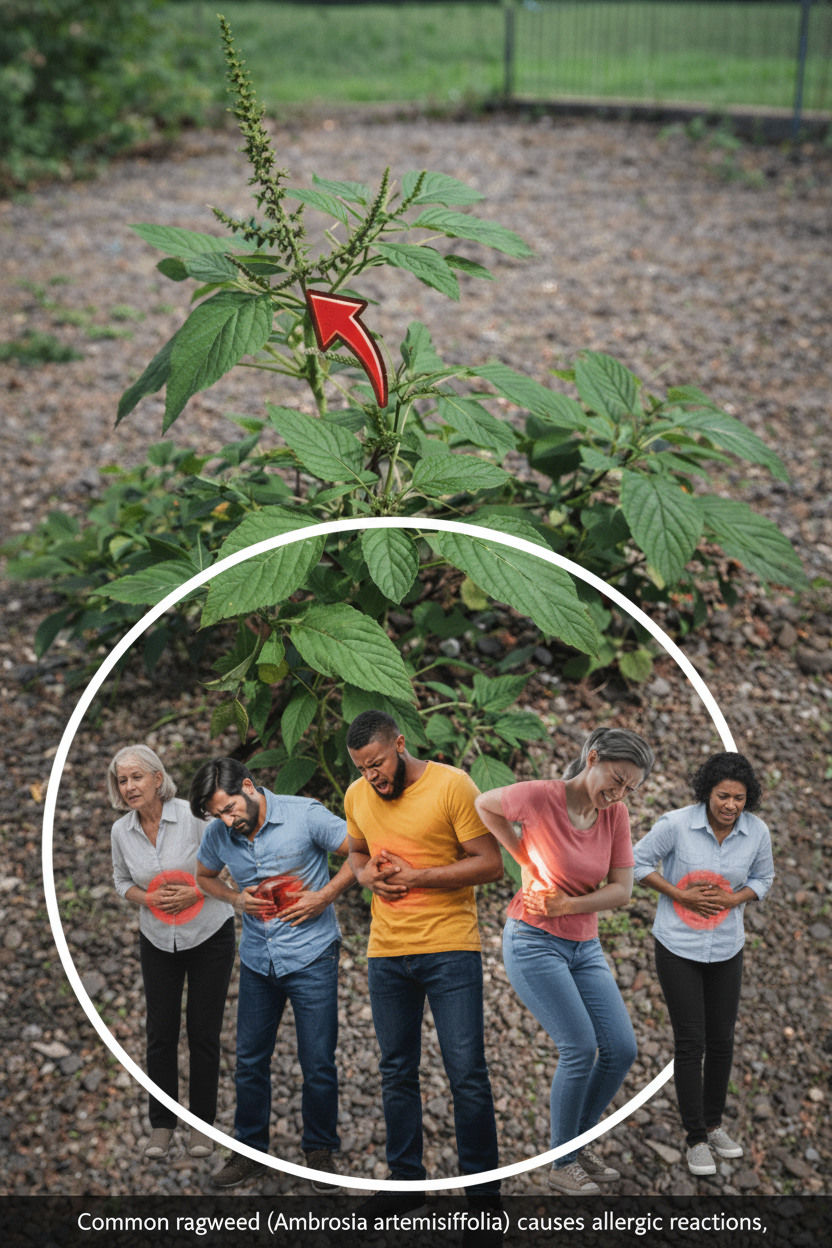
Setting Realistic Expectations: Your Spiny Amaranth Journey
While individual experiences may vary, consistent use of Spiny Amaranth often yields noticeable benefits over time:
- Within 3–7 Days: Many users report improvements in digestive comfort, a reduction in bloating, and a noticeable increase in urine output, indicative of its diuretic action.
- Within 7–21 Days: Sustained use may lead to a decrease in inflammation-related discomfort, a feeling of “lighter” legs (due to reduced fluid retention), and a generally calmer digestive system.
- Within 4–8 Weeks: With continued incorporation into your routine, you might experience more consistent energy levels, improved skin clarity, and a stronger sense of overall resilience and well-being.
Important Clarifications: What Spiny Amaranth Cannot Do
While beneficial, it’s crucial to understand the limitations of Spiny Amaranth as a natural remedy:
- Not a Cure: It is not a standalone cure for serious medical conditions such as advanced kidney stones, diabetes, hypertension, severe infections, or any other diagnosed illness.
- Not a Substitute for Medical Care: Spiny Amaranth should never be used as a replacement for prescribed medications, professional medical advice, or conventional treatments.
- No Instant Results: Expecting dramatic, overnight transformations is unrealistic. Its benefits accrue gradually with consistent and appropriate use.
Safety Profile and Essential Precautions for Spiny Amaranth Use
When consumed in moderate, traditional dosages, Spiny Amaranth is generally considered safe for most healthy adults. However, it is paramount to be aware of certain important warnings and potential considerations:
Critical Warnings:
- Thorns and Spines: The plant’s thorny stems necessitate careful handling during harvesting and preparation. Always wear protective gloves to prevent injury.
- Oxalate Content: The leaves of Spiny Amaranth contain moderate to high levels of oxalates. Individuals with a history of calcium oxalate