 By admin
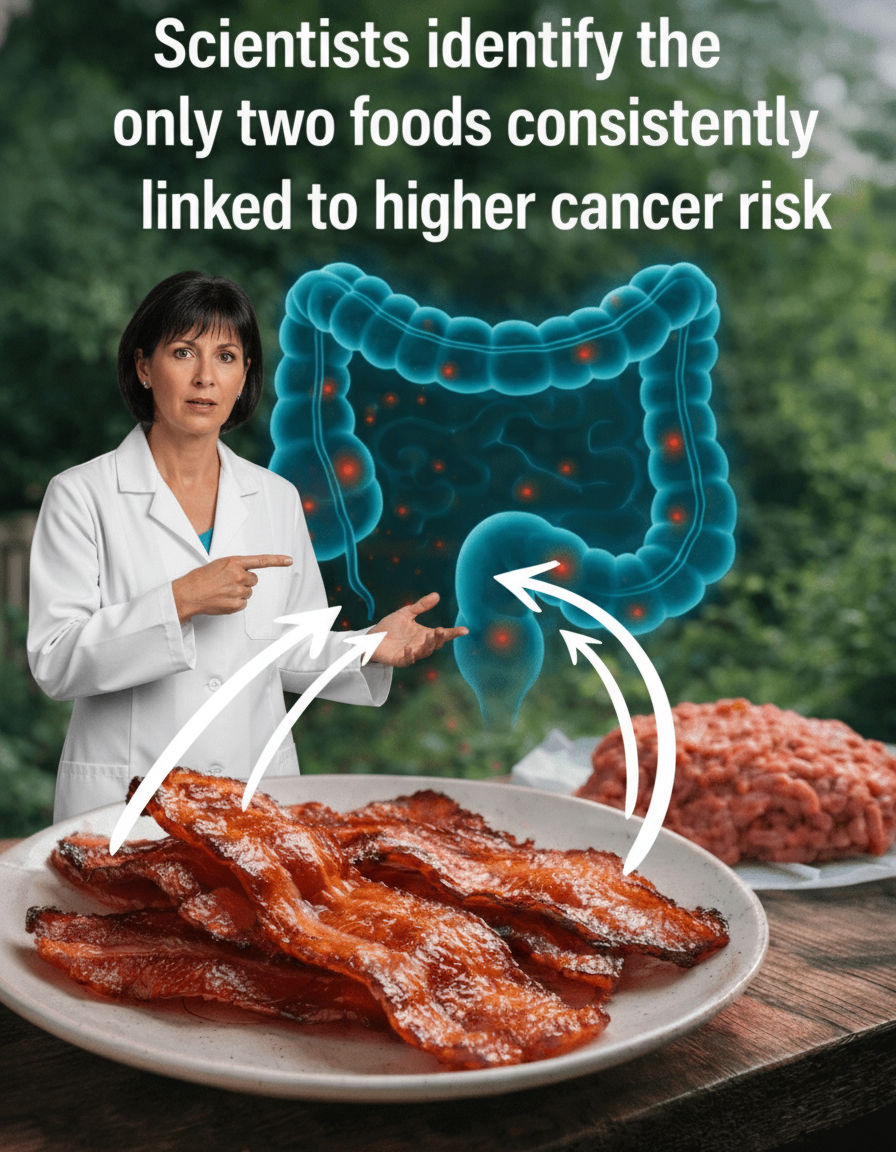
 In the vast landscape of dietary research, two specific food categories consistently draw significant attention for their potential links to cancer: processed meat and red meat. Renowned organizations, including the World Health Organization’s International Agency for Research on Cancer (IARC), have rigorously evaluated hundreds of global epidemiological studies. Their consensus classifies processed meat as “carcinogenic to humans” (Group 1) and red meat as “probably carcinogenic to humans” (Group 2A). What truly sets these two apart is not just their classification, but the remarkably consistent, dose-dependent associations they exhibit with colorectal cancer across a wealth of high-quality scientific investigations. However, the intensity of this connection differs between them.
Processed Meat: Robust Evidence of Carcinogenicity
This category encompasses a wide range of products, such as bacon, sausages, hot dogs, cold cuts, ham, and salami. Essentially, any meat that has been transformed through smoking, curing, salting, or the addition of chemical preservatives falls under this classification. Extensive research consistently reveals a concerning trend: consuming just 50 grams of processed meat daily—equivalent to about two rashers of bacon, a single hot dog, or a modest deli sandwich—is linked to an approximately 18% elevated risk of developing colorectal cancer. This relationship is notably dose-dependent, meaning that regular, higher intake correlates with a greater relative risk observed in population-level analyses.
The potent link of processed meats to cancer is attributed to various compounds that emerge during their preparation. These include nitrates and nitrites, heterocyclic amines (HCAs), and polycyclic aromatic hydrocarbons (PAHs). Once ingested, these substances can interact with the digestive system, potentially leading to cellular alterations over time. Crucially, the elevated risk is not associated with an occasional indulgence but rather with consistent, day-to-day consumption patterns.
Red Meat: A Probable Factor in Cancer Risk
This category typically refers to fresh, unprocessed cuts of beef, pork, lamb, and goat. While the evidence isn’t as definitive as for processed meats, meta-analyses of numerous prospective cohort studies indicate a significant association. A higher daily intake, specifically around 100 grams, has been linked to an approximate 12–17% increase in colorectal cancer risk across many comprehensive reviews. It’s worth noting that some studies report slightly higher estimates, particularly in certain demographic groups or with heavier consumption.
The classification of red meat as “probably carcinogenic” (Group 2A) reflects that while the evidence is strong, it’s not yet conclusive enough to warrant a “carcinogenic” (Group 1) label. Factors such as cooking methods—especially high-temperature grilling or frying—and other dietary habits can influence the observed outcomes. Nevertheless, leading health organizations globally consistently advise consuming red meat in moderation.
Key Distinctions at a Glance:
- Processed Meat: Bears the strongest scientific evidence (Group 1 carcinogen), associated with an 18% elevated risk for every 50g consumed daily.
- Red Meat: Classified as a probable carcinogen (Group 2A), linked to an approximate 12–17% increased risk per 100g daily intake.
While both categories are predominantly implicated in colorectal cancer risk, some research also explores potential, albeit less consistent, associations with other cancer types, such as pancreatic or prostate cancer.
Why Aren’t Other Foods Similarly Classified for Colorectal Cancer?
It’s common to encounter media reports linking various dietary components like sugar, dairy products, fried foods, or artificial sweeteners to health concerns. While isolated studies might raise preliminary questions, extensive, overarching reviews have not uncovered the same robust, consistent, and dose-dependent associations for these items with colorectal cancer as seen with processed and red meats.
For instance, alcohol consumption is indeed strongly linked to an increased risk for several types of cancer, including colorectal cancer. Similarly, a very high overall intake of ultra-processed foods is showing emerging connections to various health issues. However, when researchers specifically focus on dietary factors with the most compelling and repeatedly demonstrated evidence for colorectal cancer, processed and red meats consistently emerge at the forefront. This critical distinction explains why prominent health authorities, such as the American Cancer Society and the World Cancer Research Fund, specifically emphasize reducing consumption of these two particular food groups in their dietary recommendations.
Empowering Dietary Choices: Actionable Steps for Today
Rather than instilling fear, the aim is to empower you with knowledge to make informed dietary choices. Here are practical, evidence-based strategies to modify your habits without feeling overly restricted:
- Monitor Your Current Consumption: For one week, simply log your intake of items like bacon, sausages, deli slices, burgers, and steaks using a note or a tracking app. Many individuals are surprised by how quickly daily portions of 50–100g accumulate.
- Substitute Processed Meats with Healthier Alternatives: Incorporate lean protein sources into your meals several times a week. Consider options such as grilled chicken, turkey, fish, beans, lentils, tofu, or eggs. Even minor adjustments, like occasionally opting for turkey bacon or vegetarian sausages, can significantly reduce your average intake over time.
- Practice Moderation with Red Meat: Aim to limit your red meat consumption to no more than 350–500 grams (cooked weight) per week, which equates to roughly 3–4 modest servings. Prioritize leaner cuts and always complement them with plenty of fiber-rich vegetables.
- Optimize Cooking Techniques: Choose cooking methods that minimize the formation of potentially harmful compounds. Prefer baking, steaming, or stewing over high-temperature grilling or frying.
- Prioritize Plant-Based Foods: Make it a habit to fill at least half your plate with a variety of vegetables, fruits, whole grains, and legumes. These foods are rich in fiber, which promotes a healthy gut microbiome and can help mitigate overall dietary risks.
It’s important to understand that these guidelines are not rigid, all-or-nothing directives. Scientific research consistently indicates that the relationship between intake and risk is continuous—meaning that even incremental reductions in consumption generally correspond to a lower relative risk.
Understanding Your Personal Risk: Contextualizing the Statistics
Hearing about an “18% relative increase” in cancer risk can certainly sound alarming. However, it’s crucial to understand this statistic within its proper context. The lifetime baseline risk of developing colorectal cancer in many populations typically ranges from approximately 4% to 5%. This means that an 18% relative increase would raise that baseline risk by a fraction, rather than adding an absolute 18% to your overall chance. For example, if your baseline risk is 5%, an 18% relative increase would bring it to about 5.9% (5% + (18% of 5%)). While any increase warrants attention, understanding it as an incremental adjustment to an existing baseline can help provide a clearer perspective on personal risk and the impact of dietary choices.