 By admin
 The ‘Cancer-Destroying Leaf’ Myth: Separating Fact from Fiction in Natural Cancer Remedies
The digital age has seen an explosion of information, particularly concerning health and wellness. Among the most widely circulated claims are those about natural remedies, often featuring a mysterious “cancer-destroying leaf” that promises miraculous cures. These narratives frequently suggest that mainstream medical professionals are deliberately withholding this vital information.
A prominent figure in popularizing such concepts is Barbara O’Neill, an Australian naturopath and lecturer. Gaining significant traction online throughout the 2010s and 2020s, especially on platforms like YouTube and various alternative health channels, O’Neill frequently discussed the use of natural substances—including specific leaves, herbs, and foods—to support the body during severe illnesses, notably cancer.
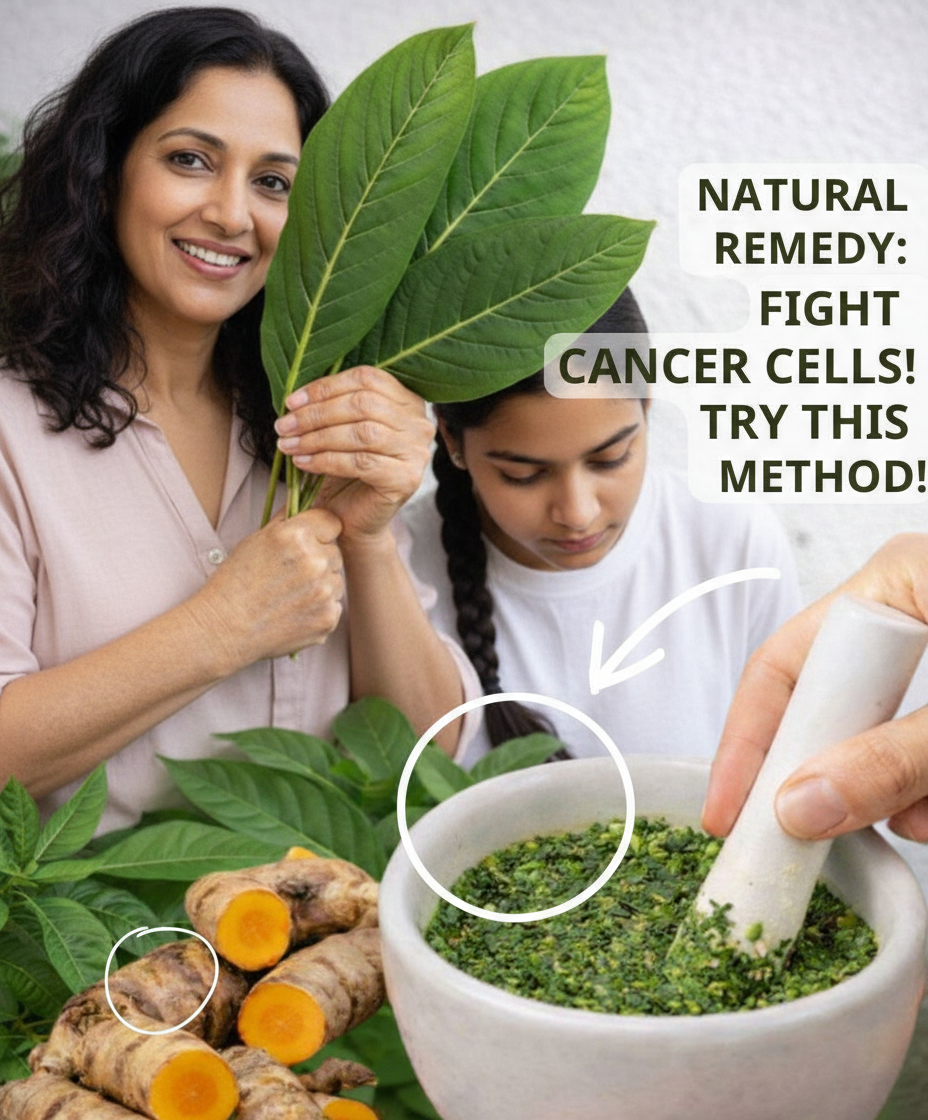
One persistent assertion widely reposted and shared is that a particular “cancer-destroying leaf”—most commonly identified as papaya leaf, but sometimes soursop/graviola leaf, moringa leaf, or bay leaf—possesses the power to dramatically shrink tumors, eradicate cancer cells, or even provide a complete cure. The accompanying narrative often includes the conspiratorial implication that “doctors don’t want you to know” about these potent natural solutions. This article aims to present the clear, evidence-based reality as of 2025, empowering you to make informed decisions about your health.
1. The Claims: What Barbara O’Neill and Proponents Actually Promoted
Barbara O’Neill most frequently advocated for the use of papaya leaf tea/extract and soursop (graviola) leaf tea for individuals diagnosed with cancer. Her key arguments centered on several points:
- Papaya Leaf’s Proposed Mechanism: She suggested that papaya leaves contain beneficial compounds, such as acetogenins, carpaine, and flavonoids, which purportedly “starve cancer cells” or initiate apoptosis (programmed cell death) while leaving healthy cells unaffected.
- Soursop Leaf’s Potency: Similar claims were made for soursop leaves, which she stated contain exceptionally strong acetogenins believed to selectively target and destroy cancer cells.
- Safety and Accessibility: These herbal teas were often presented as safe, affordable alternatives or complements to conventional medical treatments, with some proponents even suggesting they could be used instead of standard therapies.
- Anecdotal Evidence: Her presentations frequently included numerous personal testimonies and anecdotal accounts from individuals who reportedly experienced recovery or significant improvement after incorporating these leaves into their regimen.
2. The Scientific Reality: What Current Research Indicates (2025 Update)
While the claims are compelling, it’s crucial to examine them through the lens of rigorous scientific inquiry. Here’s what the evidence currently shows:
Papaya Leaf (Carica papaya)
- Laboratory (In-vitro) Studies: Research conducted in petri dishes has shown that certain papaya leaf extracts exhibit cytotoxic (cancer-cell-killing) activity against various human cancer cell lines, including those from breast, cervical, liver, and leukemia cancers.
- Animal Studies: Some studies involving mice and rats with transplanted tumors have indicated a reduction in tumor size when treated with papaya leaf extracts.
- Human Evidence: This is where the evidence becomes extremely limited. There is one small, uncontrolled study from the Philippines (conducted in the 2010s) that reported increased platelet counts in dengue patients, but this research did not involve cancer patients or demonstrate anti-cancer effects. Crucially, no randomized controlled trials (RCTs)—the gold standard for clinical research—exist to prove that papaya leaf tea shrinks tumors, extends survival, or cures any form of cancer in humans.
- Mainstream Medical Stance: Major reputable cancer centers globally, such as MD Anderson, Mayo Clinic, Memorial Sloan Kettering Cancer Center, and the National Cancer Institute (NCI), do not list papaya leaf as an evidence-based cancer treatment.
Soursop / Graviola Leaf (Annona muricata)
- Laboratory Studies: Similar to papaya, laboratory research has demonstrated that acetogenins found in soursop leaves are cytotoxic to a wide array of cancer cell lines in dishes and animal models.
- Human Evidence: Despite promising lab results, human clinical evidence is virtually non-existent. There are no randomized controlled trials or even high-quality observational studies confirming that soursop leaf tea effectively treats or cures cancer in people.
- Serious Safety Concerns: A significant concern with soursop is its safety profile. Long-term, chronic consumption of graviola tea has been linked to atypical parkinsonism—a neurological disorder resembling Parkinson’s disease—in regions of the Caribbean (like Guadeloupe and Martinique) where it is traditionally consumed daily for years. This is attributed to the neurotoxicity of annonacin, a compound present in graviola.
Summary from Leading Cancer Research Organizations (2025)
Consensus from major organizations like the American Cancer Society, Cancer Research UK, and Memorial Sloan Kettering Cancer Center unequivocally states:
- “There is no reliable evidence that papaya leaf or soursop leaf cures or effectively treats cancer in humans.”
- “While laboratory and animal data show promise, this has not translated into human proof.”
- “For graviola, in particular, the potential risks (such as neurotoxicity) currently outweigh any unproven benefits.”
3. Realistic Expectations If Considering Papaya Leaf Tea
For those interested in trying papaya leaf tea, understanding what to realistically expect is vital:
Common Traditional Preparation:
- Gather 7–10 fresh, young papaya leaves, thoroughly washed.
- Simmer the leaves in 1–2 liters of water for 15–20 minutes.
- Strain the liquid and consume 1–2 cups daily.
What Most People Actually Experience:
- Improved Digestion: The enzymes in papaya may offer a mild laxative effect, aiding digestion.
- Mild Anti-inflammatory Support: Some individuals report a slight reduction in inflammation-related symptoms, such as joint pain or fatigue.
- Placebo Effect: The act of taking proactive steps for health can lead to a placebo effect, boosting mood and overall perceived well-being.
What Does NOT Happen (Based on Current Evidence):
- Tumors shrinking significantly on medical scans.
- Cancer going into remission without the aid of conventional medical treatments.
- The leaf tea replacing established therapies such as chemotherapy, radiation, immunotherapy, or surgery.
4. Crucial Safety Warnings (Especially for Cancer Patients)
Given the seriousness of a cancer diagnosis, it is imperative to prioritize safety and consult with healthcare professionals. Please heed these critical warnings:
- Never Discontinue or Delay Conventional Treatment: Under no circumstances should you stop or postpone conventional cancer treatments (chemotherapy, radiation, surgery, targeted therapy, immunotherapy) to pursue papaya or soursop leaves. Doing so can allow cancer to progress unchecked, potentially reaching untreatable stages.
- Graviola / Soursop — Avoid Long-Term Use: Due to the confirmed link between chronic consumption and serious nerve damage, including atypical parkinsonism, long-term use of graviola or soursop should be avoided.
- Potential Drug Interactions: Papaya enzymes may interfere with certain chemotherapy drugs, rendering them less effective, or interact with blood thinners, increasing the risk of bleeding. Always discuss any herbal supplements with your oncologist.
- Low Blood Pressure / Bleeding Risk: Both papaya and soursop leaves can possess mild blood-thinning properties, which could be problematic for individuals on anticoagulant medications or those with bleeding disorders. They may also lower blood pressure.
- Pregnancy: Medicinal doses of these leaves should be avoided during pregnancy, as some cultures have historically used them as abortifacients.
The Bottom Line (2025)
Papaya leaf tea is generally considered a low-risk traditional beverage that may offer mild anti-inflammatory, antioxidant, and digestive support. For some individuals, these benefits might contribute to a sense of general well-being, particularly while undergoing conventional cancer treatment. However, the sensational claim that it is a “secret cancer-destroying leaf” that “doctors won’t tell you about” is not substantiated by robust human clinical evidence.
It is vital to approach all health claims with a critical, evidence-based mindset. For any cancer diagnosis, always consult with qualified medical professionals. They can provide personalized, evidence-based treatment plans and integrate supportive therapies safely into your care.