 By admin
 In an era where digital feeds often highlight health concerns, stories of young individuals grappling with severe respiratory issues are becoming increasingly prevalent. A particular concern is “popcorn lung,” medically termed bronchiolitis obliterans – a rare but debilitating lung disease. This condition, characterized by the irreversible scarring and narrowing of the lung’s smallest airways, is now gaining alarming traction among young adults, largely due to specific modern exposures. Health professionals are issuing urgent warnings as the condition can render even simple daily activities physically exhausting. The encouraging news, however, is that proactive awareness of its primary triggers and adopting preventative measures can significantly safeguard respiratory well-being. This comprehensive guide will delve into the root causes, common symptoms, and crucial protective strategies to ensure long-term lung health.
What Exactly Is Bronchiolitis Obliterans (Popcorn Lung)?
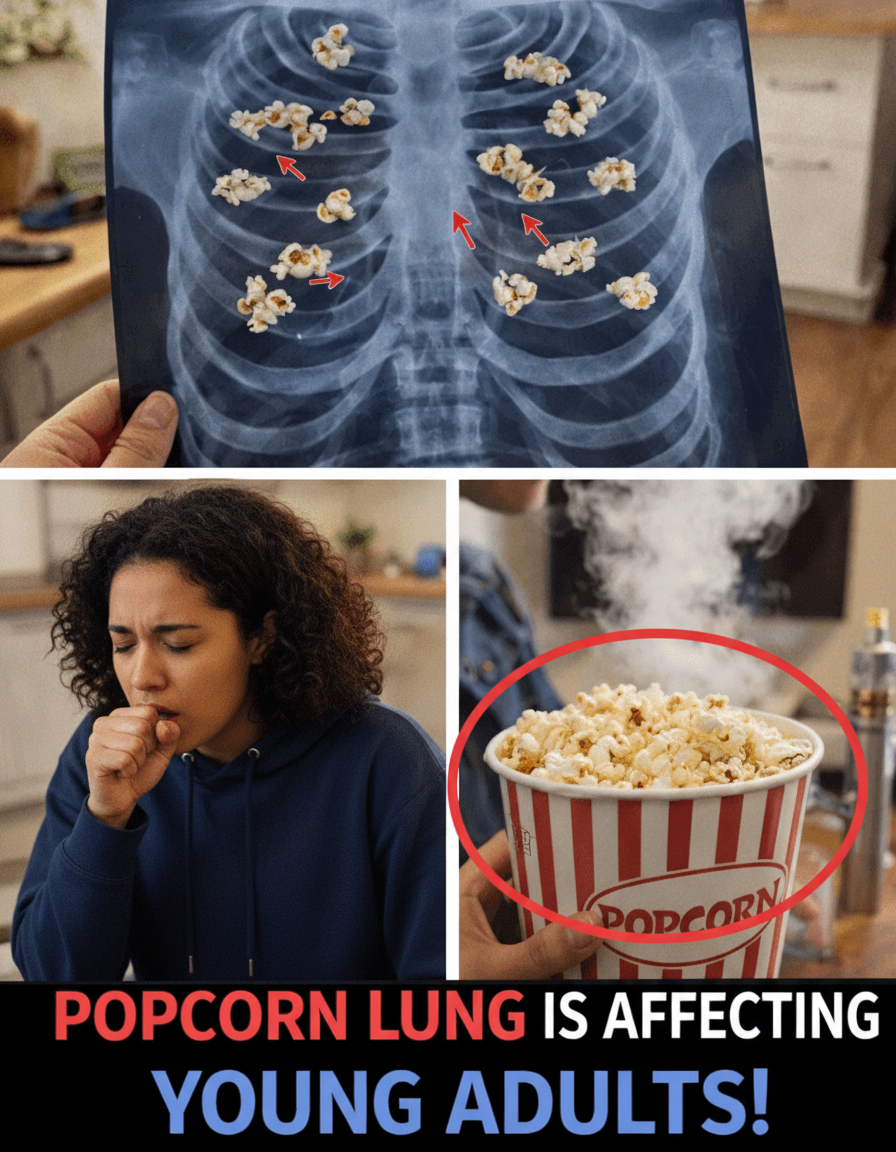
The evocative moniker “popcorn lung” originated in the early 2000s, when factory workers involved in microwave popcorn production developed severe respiratory problems. These individuals were exposed to high concentrations of diacetyl, a chemical additive used for its buttery flavor. While generally safe for consumption in small quantities, diacetyl proves highly detrimental when inhaled consistently over time. Its inhalation triggers irritation and subsequent scarring within the bronchioles – the minute air sacs located deep within the lungs. This damage leads to a progressive narrowing and irreversible impairment of these vital airways. Reputable health bodies, including the American Lung Association and Cleveland Clinic, have documented how this condition involves chronic inflammation that eventually transforms into dense scar tissue. Once compromised by scarring, these delicate airways lose their elasticity and functionality, severely impeding the efficient flow of air both into and out of the lungs. The initial symptoms might be subtle, but they typically progress, significantly diminishing a person’s quality of life.
Why Is Bronchiolitis Obliterans Increasingly Affecting Young Adults?
The landscape of exposure has dramatically shifted from industrial settings to recreational habits, particularly impacting younger demographics. A primary driver behind the recent surge in concern is the widespread adoption of flavored e-cigarettes and vaping devices. Health experts are particularly alarmed because a significant number of flavored vape liquids have historically contained, and some continue to contain, diacetyl or structurally similar chemicals. These compounds are intentionally added to replicate popular tastes such as creamy butter, vanilla, or rich custards. Research, including comprehensive reviews from institutions like the National Institute for Occupational Safety and Health (NIOSH), unequivocally demonstrates that inhaling these substances can induce the identical form of debilitating lung damage observed in the original popcorn factory incidents. Given the alarmingly high rates of vaping among adolescents and young adults, there is a profound concern regarding the cumulative impact of prolonged exposure over months or even years. Numerous recent medical reports have detailed cases of young individuals developing severe, life-altering respiratory difficulties following consistent use of flavored vaping products. Though still considered uncommon, the growing frequency of these documented cases serves as a critical call to action.
Several factors amplify the risk for this demographic:
- Early Initiation and Sustained Exposure: Vaping often commences during adolescence, leading to years of continuous inhalation of potentially harmful chemicals, allowing damage to accrue over time.
- Prevalence of Flavored Products: The market is saturated with an array of appealing flavored e-liquids, which act as a gateway for new users who are often unaware of the serious inhalation hazards these additives pose.
- Symptom Mimicry: Initial symptoms of popcorn lung can easily be mistaken for more common conditions like asthma or seasonal allergies, leading to delayed diagnosis and intervention.
The critical message is clear: heightened awareness is essential, and vigilance against these emerging risks is paramount.
Common Symptoms of Bronchiolitis Obliterans to Monitor
Prompt identification of symptoms is crucial for early intervention and better outcomes. Bronchiolitis obliterans typically manifests with a range of respiratory and systemic signs, which often include:
- A persistent, dry cough: This cough does not resolve with typical remedies and lingers for an extended period.
- Progressive shortness of breath (dyspnea): Initially noticeable during mild physical exertion, it can worsen to affect even resting states.
- Wheezing or a whistling sound during respiration: This indicates narrowed airways and obstructed airflow.
- Unusual fatigue: A pervasive sense of tiredness that is disproportionate to one’s activity level or age.
- Unexplained weight loss: In some instances, individuals may experience unintentional loss of body mass.
It is important to note that these symptoms can frequently overlap with those of other common respiratory ailments, such as asthma, bronchitis, or allergies, making early diagnosis challenging. Therefore, if these symptoms persist, intensify, or do not respond to conventional treatments, it is imperative to seek prompt medical evaluation.
Understanding Modern Exposure Pathways to Diacetyl and Similar Chemicals
While the initial outbreaks of bronchiolitis obliterans were predominantly linked to occupational hazards involving diacetyl, the contemporary landscape of exposure has significantly evolved. Currently, the primary pathway of concern, especially for young adults, involves the inhalation of artificial butter flavorings and related chemical compounds delivered via aerosols.
The most prominent sources of such exposure in daily life include:
- Flavored E-cigarettes and Vape Liquids: A vast array of e-liquids, particularly those marketed with buttery, creamy, or sweet profiles, often contain diacetyl or its chemical analogues. These substances, when heated and aerosolized during vaping, are inhaled directly into the lungs, posing substantial risks.
- Specific Food Production Environments: Although less common for the general public, workers in certain food manufacturing sectors who handle large volumes of flavorings – particularly those containing diacetyl – may still face elevated occupational exposure risks.
- Other Chemical Inhalants and Medical Conditions: While less frequently the primary cause of bronchiolitis obliterans compared to diacetyl exposure, severe lung infections, exposure to other industrial chemical irritants, or certain autoimmune conditions can also contribute to or trigger similar lung damage in some rare instances. However, for preventable cases, airborne chemical inhalation remains the paramount focus.
Understanding these diverse exposure routes is critical for effective prevention and public health initiatives.