 By admin
 The 36-Hour Fasting Journey: Unveiling Your Body’s Metabolic Reset and Cellular Renewal
Many individuals find themselves caught in a frustrating cycle when trying to manage their weight. The constant stream of new diets, promising rapid results but often failing to deliver lasting change, leaves countless people feeling exhausted and confused. In a world where food is perpetually accessible, our bodies rarely get a true break from digestion. This continuous metabolic activity might actually be hindering our progress.
However, what many don’t realize is the profound internal transformation that can occur during a structured period of abstinence. A 36-hour fasting simulation provides a remarkable insight into a comprehensive physiological overhaul that extends far beyond mere weight loss—culminating in some of the most surprising and beneficial changes towards the very end of the process.
Why Intermittent Fasting Continues to Gain Traction
While often perceived as a modern health trend, intermittent fasting is far from new. For millennia, humans naturally experienced periods of fasting, a stark contrast to today’s prevalent eating habits. According to contemporary nutrition research, many adults consume food across a 14-hour window daily, meaning their digestive systems are almost constantly active. This relentless digestive process can prevent certain crucial metabolic pathways from fully engaging.
This is precisely where fasting re-enters the wellness discussion. Unlike conventional diets that primarily dictate what to eat, intermittent fasting emphasizes when to eat. Reputable nutrition journals have published research suggesting that timed eating patterns can significantly enhance metabolic flexibility—the body’s remarkable ability to seamlessly switch between different fuel sources. But what precisely unfolds within the body during a 36-hour fast? Let’s explore the journey hour by hour.
The Initial Phase: Hours 1-4 – A Subtle Beginning
In the immediate hours following your last meal, your body is primarily focused on digestion and nutrient assimilation. Blood sugar levels will naturally rise, and insulin plays its role by transporting glucose into your cells. Energy levels typically feel stable and normal during this period. There are no dramatic shifts happening just yet. However, beneath the surface, a quiet but significant transition is beginning to unfold.
As the digestive process concludes, your system gradually shifts its reliance away from incoming food. Instead, it starts to prepare for tapping into its own internal energy reserves. This early stage is often imperceptible, with many individuals experiencing it overnight without conscious awareness.
Around 8 Hours: Blood Glucose Levels Begin Their Descent
Approximately eight hours after your final intake of food, a key metabolic change occurs: blood glucose levels start to decline. At this pivotal point:
- Your body begins to draw heavily on its stored glycogen—a form of sugar primarily stored in the liver and muscles.
- Insulin levels, which were elevated post-meal, progressively decrease.
- The process of fat breakdown subtly intensifies.
This phase frequently takes place while you are asleep, making it largely unnoticed. Yet, from a metabolic perspective, it represents a crucial turning point, signaling the body’s move towards a different energy strategy. And this is merely the start of deeper adaptations.
Around 12 Hours: The Onset of Metabolic Switching
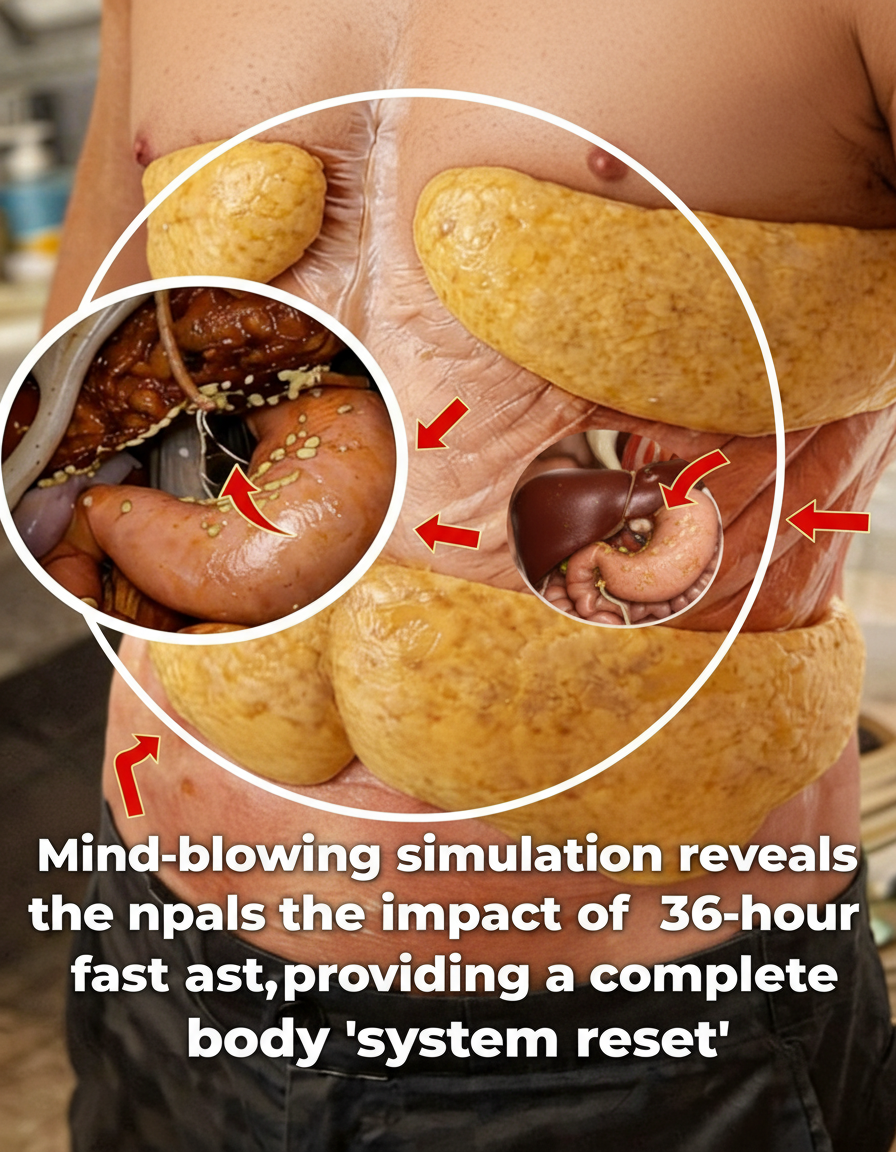
Once you reach the 12-hour mark, your body’s glycogen stores are significantly depleted. This is when one of the most intriguing transformations begins: your system starts to transition from using glucose as its primary fuel to burning fat. This fundamental shift is widely known as “metabolic switching.” Here’s what typically happens:
- Stored fat is actively broken down into fatty acids.
- The liver then converts a portion of these fatty acids into molecules called ketones.
- Ketones emerge as an alternative and efficient energy source, supplying fuel to both muscles and, importantly, the brain.
Some individuals report experiencing enhanced mental clarity and focus during this stage. While individual experiences can vary, preliminary studies suggest that the production of ketones may contribute to sustained energy levels and cognitive benefits in specific contexts.
At 16 Hours: Heightened Autophagy Activity – Cellular Renewal
Around 16 hours into a fast, researchers theorize that a vital cellular process known as autophagy becomes significantly more active. Autophagy, often described as the body’s internal recycling and cleanup system, is crucial for maintaining cellular health. Its primary role is to identify and remove old, damaged, or dysfunctional cellular components, breaking them down and reusing their constituents efficiently. Imagine it as a dedicated cellular maintenance crew working diligently behind the scenes.
Both animal studies and early human research indicate that fasting can powerfully stimulate autophagy, though more extensive human trials are still needed to fully understand its mechanisms and effects. Why is this process so important? Enhanced cellular cleanup through autophagy contributes directly to cellular resilience, optimizes cellular function, and is considered fundamental for long-term health and vitality.
24 Hours: Peak Fat Burning and Enhanced Insulin Sensitivity
Upon reaching the 24-hour milestone, the body’s reliance on stored fat for energy typically becomes much more pronounced. At this stage, several key physiological changes are often observed:
- Ketone production continues to increase, firmly establishing fat as the dominant fuel source.
- Insulin levels remain consistently low, which is beneficial for metabolic health.
- The body is now highly efficient at utilizing its internal energy reserves.
- Some preliminary studies also suggest a potential decrease in inflammatory markers, indicating a reduction in systemic inflammation.
Interestingly, many individuals report a surprising reduction in the intensity of hunger waves around this time. This phenomenon is partly explained by the cyclical nature of hunger hormones like ghrelin, meaning that hunger doesn’t necessarily intensify in a linear fashion throughout the fast. Furthermore, your body may enter a temporary “conservation mode,” intelligently prioritizing essential life-sustaining functions while temporarily downregulating non-critical processes.
30–36 Hours: Profound Metabolic Adaptation and Deeper Reset
This final phase, spanning from 30 to 36 hours, is where the most profound metabolic adaptations and the full “body reset” truly manifest. During this extended period of fasting:
- Fat oxidation remains significantly elevated, ensuring a continuous supply of energy from stored fat.
- Ketone levels are likely to reach their peak, optimizing energy supply to the brain and body.
- Autophagy activity is believed to achieve its highest levels, maximizing cellular repair and recycling.
- The body demonstrates remarkable and sustained metabolic flexibility, showcasing its enhanced ability to efficiently switch between and utilize fuel sources.
Ultimately, a 36-hour fasting experience propels the body into a state of deep metabolic efficiency, promoting cellular rejuvenation and a comprehensive internal reset. This journey unveils the incredible adaptive capacity of the human body, moving beyond simple caloric restriction to foster resilience, metabolic health, and a renewed sense of well-being.