 By admin
 Imagine a silent guardian working tirelessly inside you, filtering toxins and keeping your entire system running smoothly. That’s your liver. But what if this vital organ started sending out distress signals you’re unknowingly ignoring? This powerhouse isn’t just crucial for detoxification; it also plays a vital role in digestion and metabolism. Yet, liver issues often creep up without obvious alarms, presenting subtle red flags that are shockingly easy to overlook – until the damage becomes irreversible.
To empower you with critical knowledge, this article will unveil 15 crucial signs that your liver might be in serious trouble. Learning to recognize these indicators early can be the key to protecting your health and taking timely action.
1. Constant Fatigue
If you’re constantly battling exhaustion, even when you’ve had plenty of sleep, it could be a significant red flag. This persistent fatigue often indicates your liver is struggling to effectively cleanse your body of harmful toxins.
2. Yellowing of Skin and Eyes (Jaundice)
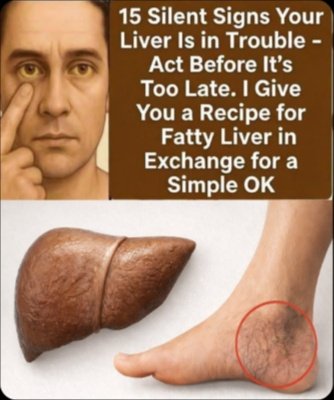
One of the most recognizable symptoms of liver distress is jaundice—a distinct yellow discoloration of your skin and the whites of your eyes. This happens when there’s an accumulation of bilirubin, a yellowish pigment, in your bloodstream, signaling your liver isn’t processing it correctly.
3. Abdominal Pain and Swelling
Experiencing discomfort, pain, or noticeable swelling in the upper right quadrant of your abdomen could be a warning sign. This area houses your liver, and such symptoms might point to inflammation or an enlargement of the organ.
4. Dark Urine
Pay attention to the color of your urine. If it consistently appears unusually dark, resembling tea or cola, even when you’re drinking enough water, it might indicate that your liver is not functioning optimally, causing waste products to be excreted through urine.
5. Pale or Clay-Colored Stools
Unusual changes in the color of your stools, specifically if they become pale, clay-colored, or even whitish, can be a critical indicator. This often points to problems with bile flow, which is essential for digestion and a direct reflection of your liver’s health.
6. Nausea and Vomiting
Persistent feelings of nausea, especially when not attributable to other common causes like illness or pregnancy, along with episodes of vomiting, could be a sign that your body is overwhelmed by toxins that a compromised liver isn’t clearing.
7. Loss of Appetite
A noticeable and unexplained decrease in your desire to eat, or a persistent feeling of fullness, can be an early and concerning symptom that your liver is struggling to perform its metabolic functions.
8. Easy Bruising
Do you find yourself bruising more easily than usual, or do bruises appear without a clear injury? This could indicate that your liver is failing to produce sufficient amounts of essential clotting proteins, which are vital for proper blood coagulation.
9. Itchy Skin
Experiencing persistent, generalized itching all over your body, without any visible rash, can be incredibly uncomfortable and a potential sign of liver issues. This symptom often arises when bile salts build up beneath the skin due to impaired liver function.
10. Swelling in Legs and Ankles
Observing swelling in your legs, ankles, or feet (known as edema) can be a sign of fluid retention, which sometimes occurs when liver function significantly declines, impacting the body’s ability to regulate fluids.
11. Bad Breath (Liver Breath)
A distinctively musty, sweet, or even slightly metallic odor on your breath, sometimes referred to as ‘fetor hepaticus’ or ‘liver breath,’ can be a strong indicator of advanced liver disease, signaling an accumulation of toxins that the liver can no longer process.
12. Hormonal Imbalances
Your liver plays a crucial role in processing and regulating hormones throughout your body. If it’s not functioning correctly, you might experience hormonal imbalances, which can manifest as irregular menstrual cycles, decreased libido, or other endocrine disruptions.
13. Confusion or Brain Fog
When the liver can’t effectively filter toxins from the blood, these harmful substances can travel to the brain, leading to cognitive impairments. Symptoms like confusion, memory problems, difficulty concentrating, or a general ‘brain fog’ might indicate hepatic encephalopathy.
14. Red Palms
Notice if the palms of your hands appear unusually red, especially around the outer edges. This condition, medically termed palmar erythema, is often associated with chronic liver diseases and is caused by hormonal imbalances that affect blood vessel dilation.
15. Unexplained Weight Changes
Significant and unexplained fluctuations in your weight—whether it’s sudden weight gain, often due to fluid retention (ascites), or an unexpected loss of weight—can both be serious indicators of underlying liver problems.
How to Protect Your Liver: Simple Steps to Take NOW
If any of these warning signs resonate with you, it’s crucial not to dismiss them. Your liver health is paramount, and thankfully, there are straightforward yet powerful steps you can take to support and safeguard this vital organ:
- **Stay Hydrated:** Ensure you drink sufficient amounts of water throughout the day to help your body flush out toxins effectively.
- **Moderate Alcohol Intake:** Significantly reduce or completely avoid alcohol, as it is a major burden on your liver.
- **Embrace a Nutrient-Rich Diet:** Focus on consuming a balanced diet packed with fresh fruits, vibrant vegetables, and whole grains to provide essential nutrients and antioxidants.
- **Limit Unhealthy Fats and Processed Foods:** Minimize your intake of highly processed foods, sugary snacks, and unhealthy fats that can contribute to liver fat accumulation and inflammation.
- **Engage in Regular Physical Activity:** Incorporate consistent exercise into your routine to maintain a healthy weight and improve overall metabolic function, benefiting your liver.
- **Prioritize Medical Checkups:** Schedule regular visits with your doctor for health screenings and blood tests to monitor your liver function and catch any potential issues early.
Your Liver’s Health Is In Your Hands!
Remember, your liver is an incredible, resilient organ that tirelessly works to protect you every single day. Being aware of these 15 vital signs that your liver might be in danger empowers you to listen to your body and seek professional advice, potentially preventing severe damage and ensuring a healthier future.
👉 Don’t miss out on more essential health insights and delicious recipes! Engage with this post to keep our valuable content coming your way.