 By admin
 Discovering an unexpected, moving segment in your stool can be an alarming experience, often signaling the presence of a tapeworm. While the thought of a parasitic infection might be unsettling, tapeworms in humans are more common than many realize, particularly for those who travel frequently or consume certain foods. The good news is that most intestinal tapeworm infections are mild and manageable. However, overlooking subtle indicators can, in rare instances, pave the way for more significant health complications.
This comprehensive guide aims to equip you with crucial information. We’ll explore how these parasites enter the body, detail the key symptoms to watch for, highlight the rare but serious risks, and provide actionable prevention strategies to safeguard yourself and your family. Understanding these aspects is your first line of defense against tapeworm infections.
What Are Tapeworms and How Do They Enter the Human Body?
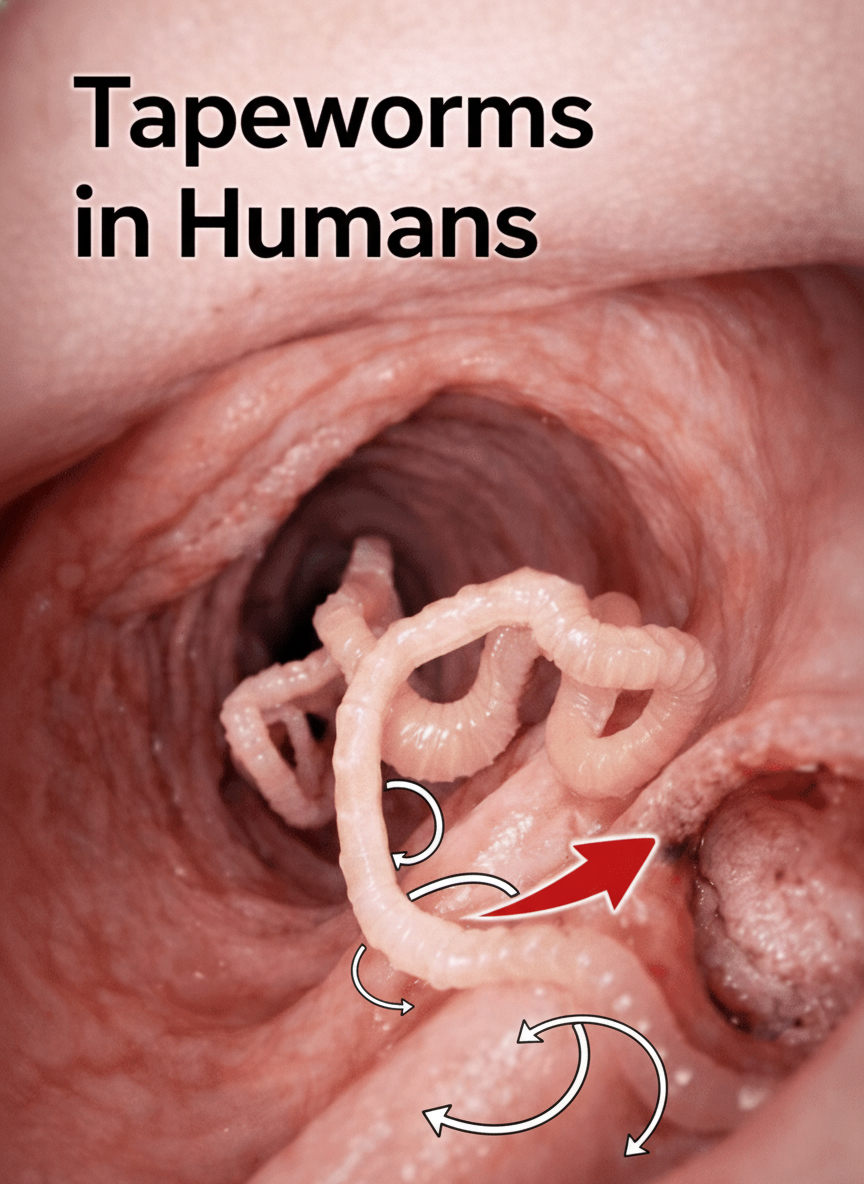
Tapeworms are a type of flat, segmented parasitic worm that can inhabit the intestines of humans. Several species are known to cause human infections, including the beef tapeworm (Taenia saginata), pork tapeworm (Taenia solium), fish tapeworm (Diphyllobothrium latum), and the dwarf tapeworm (Hymenolepis nana).
The primary route of infection for humans is through the consumption of raw or undercooked meat or fish contaminated with tapeworm larval cysts. For instance:
- Eating undercooked beef can transmit Taenia saginata.
- Consuming undercooked pork can lead to Taenia solium infection.
- Raw or undercooked freshwater fish can harbor the fish tapeworm.
A particularly concerning scenario involves the pork tapeworm. Beyond consuming contaminated meat, poor hygiene practices can facilitate the spread of Taenia solium eggs from an infected individual to food or water. Ingesting these eggs can lead to a more severe condition known as cysticercosis, where larvae develop into cysts in various body tissues, rather than just the intestines.
While organizations like the CDC and Mayo Clinic confirm that these parasitic infections are uncommon in regions with robust food safety and sanitation standards, the risk significantly increases when traveling to areas with varying hygiene practices or when consuming improperly prepared imported foods. However, understanding the source is just the beginning…
Recognizing the Common Symptoms of a Tapeworm Infection
It’s important to note that many individuals with an intestinal tapeworm infection experience no discernible symptoms at all, or only very mild ones. When signs do manifest, they typically affect the digestive system and can include:
- Nausea or general stomach upset
- Abdominal pain or discomfort
- Unexplained changes in appetite or sudden weight loss
- Diarrhea or loose stools
- Increased flatulence or persistent hunger pangs
- Unusual food cravings, such as a strong desire for salty items
Perhaps the most definitive indicator of a tapeworm infection is the visible presence of small, rice-like segments, known as proglottids, in your stool or around the anal region. These segments may even exhibit slight movement.
The challenge lies in the fact that many of these symptoms are non-specific and can easily be mistaken for other common gastrointestinal issues, making early self-diagnosis difficult.
When Tapeworms Become Serious: Understanding Rare Complications
While most intestinal tapeworm infections are relatively benign and treatable, certain types, predominantly the pork tapeworm (Taenia solium), can lead to significantly more severe health issues. This occurs when tapeworm larvae migrate beyond the intestines and form cysts in other parts of the body, a condition termed cysticercosis.
These parasitic cysts can develop in various tissues, including muscles, eyes, and critically, the central nervous system. When cysts form in the brain, it’s known as neurocysticercosis, a potentially life-threatening condition. Symptoms of neurocysticercosis can be debilitating and include:
- Chronic headaches
- Dizziness and balance issues
- Seizures
- Other profound neurological changes
Leading health organizations emphasize that these severe complications are rare, particularly in areas with stringent public health and food safety standards. Nevertheless, the potential for such serious outcomes underscores the critical importance of recognizing early signs and seeking timely medical advice. Proactive awareness is key to preventing the escalation of a simple infection into a complex health crisis.
When to Consult a Healthcare Professional About Tapeworms
It’s crucial to seek medical advice if you observe any of the following, especially after consuming undercooked meat or fish, or following international travel:
- The visible presence of worm segments in your stool.
- Persistent or worsening digestive symptoms such as abdominal pain, nausea, or diarrhea.
- Unexplained weight loss.
- Any neurological symptoms, including severe headaches, dizziness, or seizures.
A doctor can accurately diagnose a tapeworm infection through simple tests, most commonly by examining a stool sample for eggs or proglottids. Early diagnosis allows for effective treatment and prevents potential complications. But what can you do to avoid this in the first place?
Essential Prevention Strategies Against Tapeworm Infections
Protecting yourself and your family from tapeworms largely depends on adopting vigilant food safety and hygiene practices. Health authorities, including the CDC and Mayo Clinic, advocate for these practical steps:
- Thoroughly Cook Meats: Always ensure meat is cooked to its safe internal temperature. Utilize a food thermometer:
- Whole cuts of beef, pork, veal, and lamb should reach at least 145°F (63°C) and then rest for three minutes.
- Ground meats, including beef and pork, must be cooked to 160°F (71°C).
- Poultry should reach 165°F (74°C).
- Avoid Raw or Undercooked Meat and Fish: Steer clear of raw or partially cooked beef, pork, and freshwater fish. This includes popular dishes like sushi, rare steaks, or homemade jerky, unless you are absolutely certain of their preparation and sourcing to eliminate parasites.
- Proper Meat Freezing: If you plan to consume meat that might carry a risk, freezing it at -4°F (-20°C) or colder for several days can effectively kill tapeworm larvae in many cases.
- Practice Excellent Hand Hygiene: Wash your hands thoroughly with soap and water for at least 20 seconds, especially after using the restroom, changing diapers, handling pets or other animals, and always before preparing or eating food.
- Clean Produce Diligently: Rinse all fruits and vegetables under running water before consumption, even if they have a peel. For firmer produce, a scrub brush can be beneficial.
- Safe Water Consumption: When traveling to areas with questionable water quality, drink only bottled or boiled water. Avoid ice made from tap water.
By integrating these habits into your daily routine, you significantly reduce the risk of acquiring a tapeworm infection and ensure a safer environment for everyone in your household.