 By admin
 Tapeworms in Humans: The Silent Gut Threat Many Adults Overlook
It often begins subtly: a persistent unease after meals, unexplained fatigue, or an unusual observation in the bathroom. Many adults, particularly older individuals, frequently dismiss these signals. They might attribute them to normal aging, digestive slowdown, or simply feel too embarrassed to discuss them. Yet, sometimes, these are your body’s quiet warnings of a deeper issue within the digestive system.
The uncomfortable truth is that certain intestinal parasites, including tapeworms, can reside silently in the human body for extended periods, often without glaring symptoms. While this prospect might seem alarming, understanding how these organisms enter the body and how to mitigate the risks can make a significant difference. Surprisingly, many everyday habits related to food preparation and hygiene profoundly influence your susceptibility to these parasites.
What Are Tapeworms and How Do They Live in the Human Body?
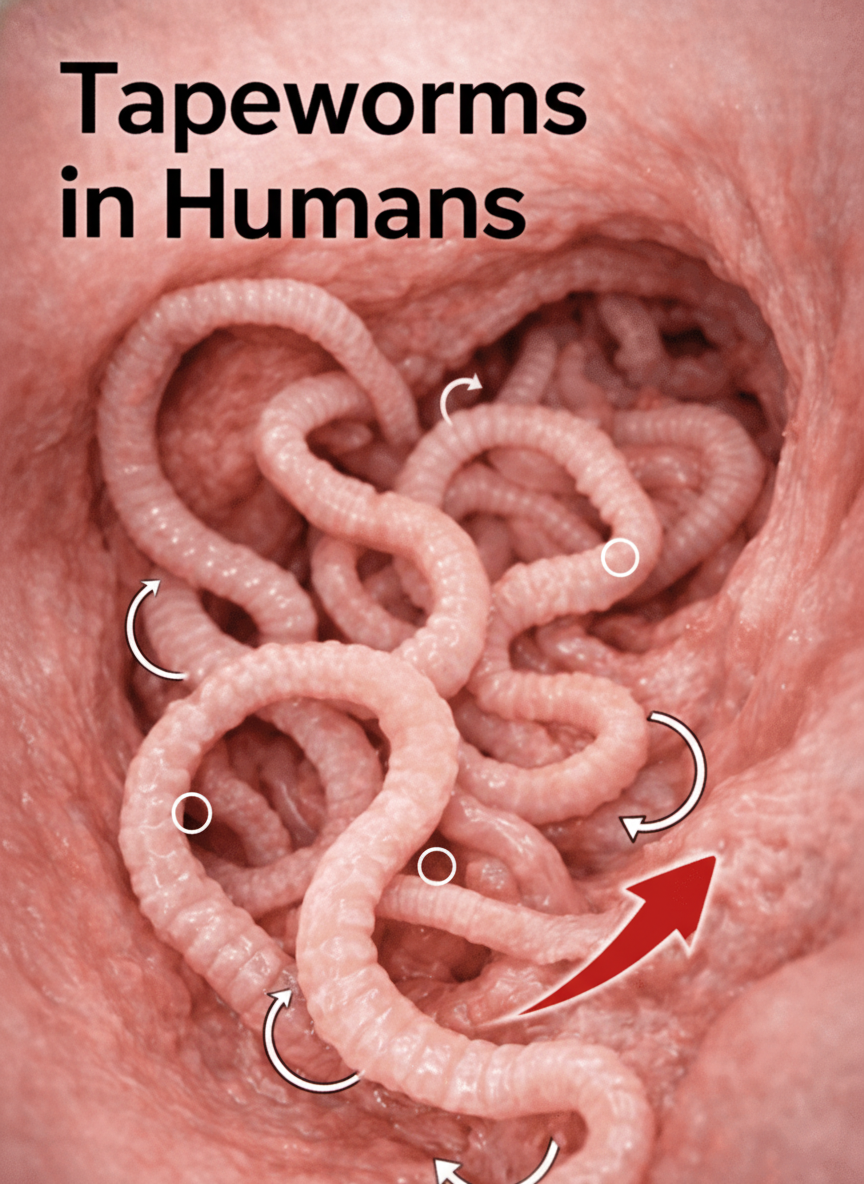
Tapeworms are long, flat parasites belonging to the class Cestoda, characterized by their segmented bodies. Each segment contains reproductive structures, enabling the parasite to continue its life cycle by releasing eggs through the host’s stool. These parasites can inhabit the digestive tracts of both humans and animals.
While often perceived as rare, intestinal parasites are prevalent globally, particularly in regions with inconsistent food safety practices or where raw foods are commonly consumed. The human digestive system typically boasts robust defenses, including stomach acid, digestive enzymes, and immune responses, which help minimize infection risks. However, specific circumstances can allow these parasites to enter and thrive:
- Consuming undercooked meat or fish.
- Poor food handling and preparation hygiene.
- Drinking contaminated water.
- Traveling to areas with differing sanitation standards.
Global health organizations estimate that millions worldwide encounter intestinal parasite exposure at some point. Most infections are manageable once identified, underscoring the critical importance of awareness.
Early Signs Adults Should Not Ignore
A primary reason tapeworm infections often go undetected is the subtlety or complete absence of initial symptoms. Many individuals mistakenly attribute their discomfort to a general “off” digestion. However, the body frequently provides subtle clues:
- Mild abdominal discomfort or pain.
- Noticeable changes in appetite (increased or decreased).
- Persistent, unexplained tiredness or fatigue.
- Occasional nausea.
- Feeling full unusually quickly after eating.
- In some instances, observing small, rice-like segments of the parasite in stool.
It is crucial to remember that not every digestive symptom indicates a parasitic infection; many conditions can manifest similarly. Nevertheless, paying close attention to persistent changes in your digestive health, and seeking medical advice when necessary, is a prudent approach. Research in digestive health consistently highlights that early awareness and diligent hygiene practices are fundamental to reducing exposure risks, alongside often-overlooked domestic food preparation habits.
How Tapeworm Exposure Typically Occurs
The life cycle of many tapeworm species involves intermediate animal hosts such as cattle, pigs, or fish. Humans become exposed primarily by consuming food containing parasitic larvae that has not been thoroughly cooked. This is why food safety experts rigorously emphasize achieving proper cooking temperatures.
Common routes of exposure include:
- Eating undercooked beef or pork.
- Consuming raw or lightly cooked fish.
- Ingesting unwashed vegetables grown in contaminated soil.
- Practicing poor hand hygiene during food preparation.
Interestingly, most infections don’t stem from dramatic errors but rather from small, routine habits repeated over time. For example, cutting raw meat and then handling vegetables without washing hands thoroughly, or tasting meat during cooking before it has reached a safe internal temperature. These seemingly minor habits can significantly impact your digestive health over time.
Protecting Yourself: Simple Habits to Lower Risk
Adopting meticulous food safety and hygiene practices is your best defense. Consider these habits:
- Cook Meat Thoroughly: Ensure all meat, especially beef and pork, is cooked to its recommended internal temperature.
- Handle Fish Safely: Freeze fish to kill parasites or cook it thoroughly. Be cautious with raw fish from unverified sources.
- Wash Produce Diligently: Thoroughly wash all fruits and vegetables, especially if they will be eaten raw.
- Practice Impeccable Hand Hygiene: Wash hands frequently and thoroughly with soap and water, especially after using the restroom, before and after handling food, and after touching raw meat.
- Prevent Cross-Contamination: Use separate cutting boards and utensils for raw meat and produce.
By integrating these simple yet effective habits into your daily routine, you can significantly reduce your risk of tapeworm exposure and safeguard your digestive well-being.