 By admin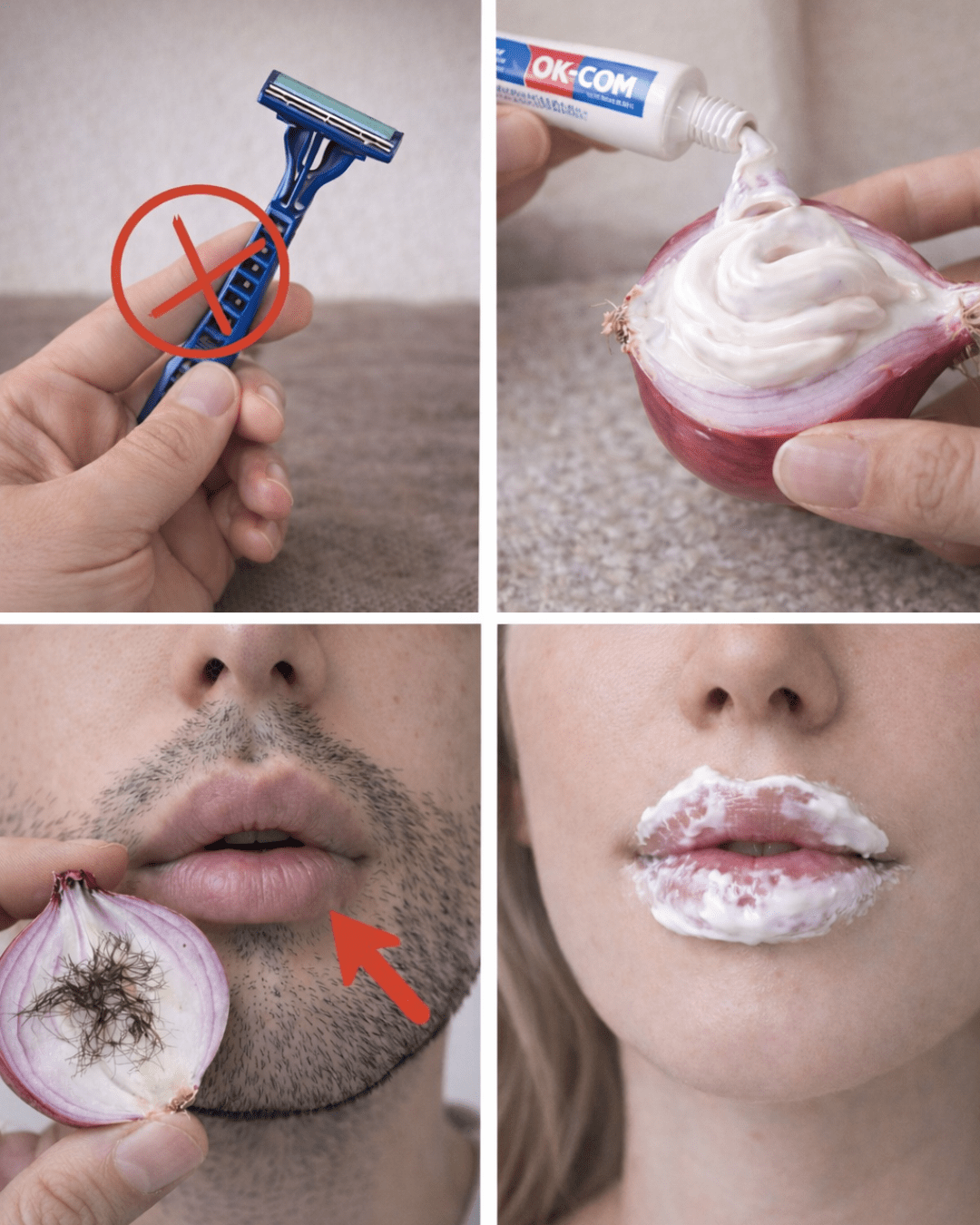
The hack of combining onion and toothpaste for hair removal has gained attention in online communities and viral videos as a potential natural, painless alternative to shaving or waxing. Many people share anecdotal stories of smoother skin or reduced regrowth after consistent use, often highlighting the affordability and simplicity of using kitchen staples.
However, it’s important to approach this with realistic expectations. Scientific evidence does not support onion and toothpaste as an effective method for permanent or significant hair removal. Onion juice has been studied primarily for promoting hair growth in conditions like alopecia areata (patchy hair loss), where a small 2002 study in the Journal of Dermatology found it helped regrow hair in many participants by improving scalp circulation and providing sulfur compounds beneficial for keratin production.
In contrast, claims about onion weakening or removing hair lack backing from reliable research. Toothpaste, often containing abrasives, menthol, or mild bleaching agents like hydrogen peroxide in some formulas, is not formulated for hair removal. Sources like Healthline and dermatologist opinions note that while it might cause temporary brittleness or breakage if left on hair, it can irritate skin, cause dryness, burning, or allergic reactions—and there’s no evidence it safely or effectively removes unwanted hair.
Many viral DIY hacks involving toothpaste (sometimes with lemon, baking soda, or other additions) have been tested and debunked as ineffective for true removal, often leading to more skin issues than benefits. Fact-checks from medical sources confirm no scientific support for toothpaste-based permanent hair removal in minutes.
That said, some users report the mixture providing mild exfoliation from toothpaste’s texture and onion’s natural juices, potentially leading to smoother-feeling skin temporarily. The cooling menthol in toothpaste might soothe minor irritation, and onion’s antioxidants (like quercetin) could offer general skin-supporting properties in theory.
If you’re curious about natural approaches to smoother skin or gentler routines, this could be worth a cautious trial for exfoliation purposes—but always prioritize safety.

The Hidden Struggles of Conventional Hair Removal
Shaving offers convenience but often results in razor burn, nicks, and quick regrowth that feels stubbly or coarser over time. Ingrown hairs add discomfort, and constant blade purchases contribute to ongoing costs and plastic waste.
Waxing delivers longer-lasting smoothness, yet the pain can be intense, especially on sensitive areas, with redness or bumps lingering for days. As skin becomes more delicate with age—particularly after 45—traditional methods may heighten irritation risks.
Chemical depilatory creams break down hair but carry strong smells, potential allergic reactions, and the need for patch testing. Many seek gentler, home-based options to avoid these drawbacks.

Why This Kitchen Hack Sparks Interest
Online discussions buzz about combining grated onion with toothpaste as a DIY paste for unwanted hair. The idea appeals due to its low cost, natural ingredients, and ease—no special tools required.
While not a proven hair remover, the combo might offer mild exfoliation and a cooling sensation. But that’s not all—let’s explore what draws people in.
Potential Benefits People Report (Anecdotal Only)
Here are some commonly mentioned perks from user experiences—keep in mind these are not scientifically validated for hair removal:
- Affordable and Accessible: Uses pantry items, potentially saving on razors or salon treatments.
- Gentle Feel for Mature Skin: The minty coolness from toothpaste may calm while onion’s compounds provide antioxidants.
- Mild Exfoliation: Toothpaste’s abrasives slough off dead skin, possibly enhancing smoothness.
- Eco-Friendly: Reduces reliance on plastic razors and chemical products.
- Sensory Refresh: Onion’s sharpness meets mint for an invigorating home ritual.
- Easy Routine Fit: Simple prep and application, often 20-30 minutes before rinsing.
These draw curiosity, especially for those tired of painful or expensive methods.

Comparing Traditional Methods to Natural Approaches
| Aspect | Shaving | Waxing | Onion + Toothpaste Paste (Anecdotal) |
|---|---|---|---|
| Pain Level | Low to medium (possible cuts) | High | Potentially low |
| Cost | Moderate (ongoing razors) | High (salon or kits) | Very low (household items) |
| Results Duration | 1-3 days | 2-4 weeks | Varies; mostly temporary smoothness |
| Skin Impact | Irritation, ingrowns | Redness, bumps | Possible mild exfoliation; risk of irritation |
| Ingredients | Blades, foams | Wax/strips | Natural onion, toothpaste |
This highlights why some experiment with alternatives, though proven methods remain more reliable for lasting results.

Unpacking the Ingredients
Onions contain sulfur compounds and quercetin, studied for anti-inflammatory effects and scalp health (mainly in hair growth contexts). Toothpaste provides menthol for cooling and mild abrasives for scrubbing.
Together, they create a paste that some apply hoping for gradual benefits—but evidence points to no reliable hair-weakening or removal effect. Approach with curiosity, not as a guaranteed solution.
Real User Stories (Shared Experiences)
People like a 50-something user reported smoother legs after weekly applications, crediting the routine’s simplicity. Another noted less noticeable arm hair over time, enjoying the fresh sensation.
These anecdotes inspire, yet individual results vary widely. What works for one may not for another, and skin reactions differ.
Step-by-Step Guide to Trying It Safely (For Exfoliation Curiosity)
If interested in testing for mild skin smoothing (not hair removal):
- Gather: 1 medium onion and non-gel white toothpaste.
- Prepare: Grate onion, extract juice (about 2 tbsp), mix with 1 tbsp toothpaste to form paste.
- Patch Test: Apply small amount to inner arm; wait 24 hours to check for reaction.
- Apply: Spread thinly on clean, dry skin (avoid eyes, broken areas).
- Wait: 20-30 minutes; rinse with warm water if tingling occurs.
- Finish: Pat dry, moisturize. Use 2-3 times weekly max.
Safety tips: Wear gloves during prep to minimize odor; stop immediately if burning or redness appears. Consult a dermatologist first, especially with sensitive skin or conditions.
Overcoming Common Doubts
- Smell? Mint often overpowers onion during application.
- Messy? Use a small bowl; rinse thoroughly.
- Irritation? Always patch test; dilute further if needed.
Wrapping Up: A Simple Exploration Worth Considering?
This onion-toothpaste idea offers an intriguing, low-risk way to experiment with natural skin care at home. While it won’t replace professional or proven hair removal, the potential for gentle exfoliation and self-care ritual appeals to many seeking change.
P.S. Natural ingredients like onion have long history in beauty traditions—share your thoughts or experiences below!
Frequently Asked Questions
Does onion and toothpaste really remove hair permanently?
No scientific evidence supports permanent removal. Claims stem from viral trends, but dermatologists note it lacks backing and may irritate skin.
Is this safe for sensitive skin?
Proceed with caution—patch test required. Onion’s acidity or toothpaste’s ingredients can cause reactions; consult a professional if unsure.
How often should I try it?
If testing for mild benefits, 2-3 times weekly max. Monitor skin closely and discontinue if issues arise.
This article is for informational purposes only and is not a substitute for professional medical advice. Consult your healthcare provider or dermatologist before trying any new skin treatment, especially if you have skin conditions or sensitivities. Results vary, and individual experiences are not guarantees of effectiveness.