 By admin
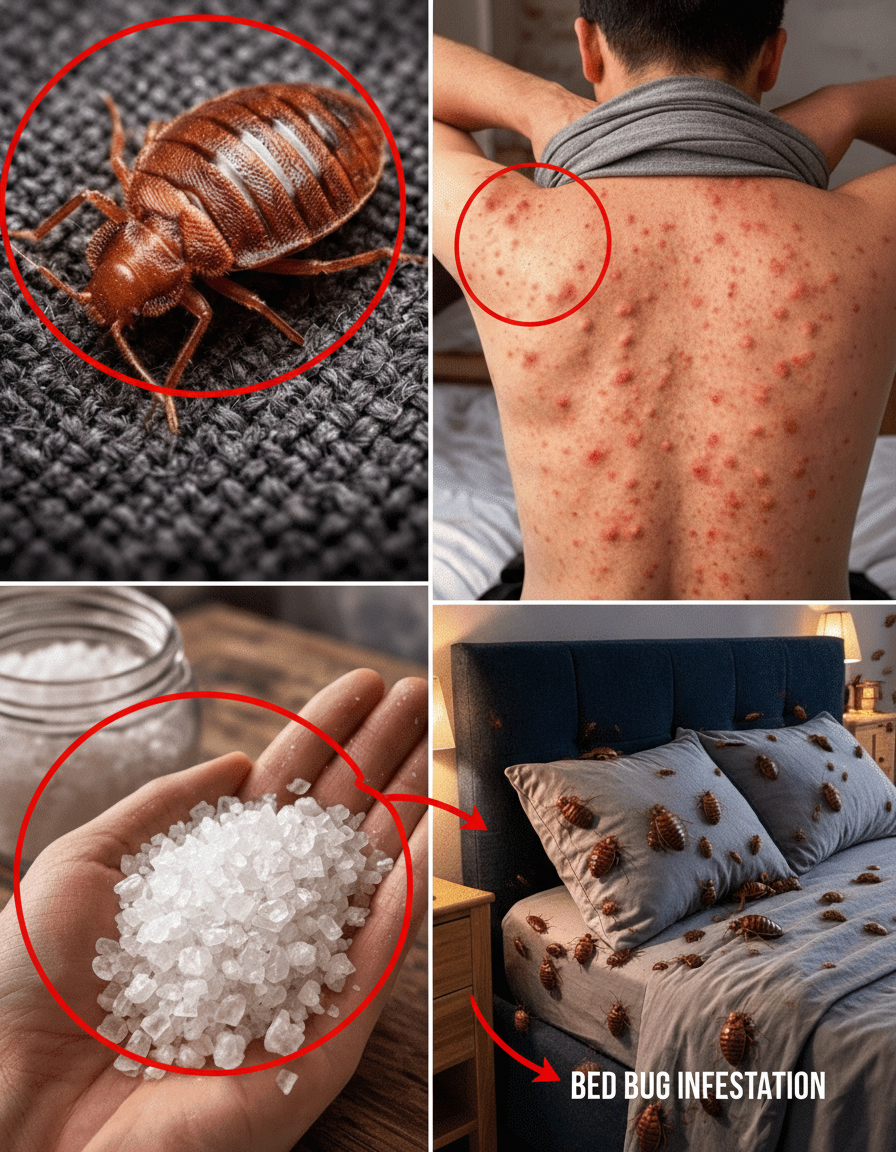
 Spotting an unfamiliar reddish-brown insect on your prized garden plants can instantly trigger alarm bells, often leading to the mistaken belief that outdoor bedbugs are invading your green space. This widespread concern frequently prompts gardeners to reach for common household salt as a swift solution. However, this knee-jerk reaction typically inflicts needless harm upon your plants and soil, completely missing the actual pest problem. The frustration mounts as you envision these supposed invaders multiplying, all while your garden endures the consequences of well-intentioned but misguided remedies. There’s a far more effective and sustainable approach to managing garden pests. Continue reading to uncover crucial identification tips and eco-friendly solutions that can protect your yard without compromise.
Do Bedbugs Really Thrive in Outdoor Gardens? The Truth Revealed
Let’s address a common misconception head-on: genuine bedbugs (Cimex lectularius) are highly unlikely to establish themselves or even survive for long in your outdoor garden. Entomological research consistently demonstrates that these nocturnal parasites are specifically adapted to stable indoor conditions, thriving in environments with predictable temperatures and close proximity to human hosts. Outside, they face an onslaught of challenges—direct sunlight, extreme temperature shifts, and exposure to predators—making the garden an inhospitable habitat for them. What you’re likely observing are common outdoor insects that merely resemble bedbugs, such as the harmless boxelder bug or the distinctive stink bug. Incorrectly identifying these garden visitors can lead to ineffective and potentially damaging pest control decisions. But why does this misidentification happen so frequently?
The Hidden Dangers of Misidentifying Common Garden Pests
The instinct to protect your garden can often be overshadowed by fear, prompting hasty and drastic measures—like indiscriminately spreading salt. This approach is not only futile against the actual target but also severely disrupts the delicate ecological balance of your garden ecosystem. Research from leading agricultural extension services, including Purdue University, consistently warns against the detrimental effects of pest misidentification. When beneficial insects—natural predators that help keep pest populations in check—are inadvertently targeted and eliminated, your garden becomes even more vulnerable to future infestations. The good news? A simple, careful observation can prevent this cascade of negative consequences. Taking a moment to photograph the insect and closely examine its shape and movement can provide crucial clues. If it’s not a bedbug, you’ve already saved your garden from unnecessary harm.
Why Salt is an Ineffective and Harmful Solution for Garden Pests
While salt can be an effective desiccant against soft-bodied garden nuisances like slugs and snails, it’s largely useless against insects with tougher, protective exoskeletons—which includes most bedbug lookalikes. Simply sprinkling salt on these creatures or around your garden rarely has any direct impact, especially in the naturally moist environment of garden soil where it quickly dissolves. Far more concerning are the severe negative consequences for your garden’s health. Excessive salt application drastically increases soil salinity, a condition proven by USDA research to cause root burn, inhibit vital nutrient uptake, and ultimately lead to stunted growth or even plant death, even with regular watering. In essence, while the salt remains ineffective against the perceived threat, your plants suffer irreversible damage. Fortunately, there are far more intelligent and effective pest management strategies available.
Effective and Eco-Friendly Alternatives to Salt for Outdoor Pest Control
Instead of resorting to damaging salt, consider incorporating proven, safer alternatives into your pest management routine. One highly recommended option is diatomaceous earth (DE). This finely milled, natural powder works by physically abrading the exoskeletons of insects, causing them to dehydrate and eventually die. For best results, apply food-grade DE sparingly and strategically in dry areas where pests are active, as advised by horticultural experts like the Royal Horticultural Society. It’s safe for plants and pets when used as directed. Beyond DE, harnessing the power of heat can also be incredibly effective.
For movable items like outdoor cushions, furniture covers, or small tools, heat treatments offer a chemical-free solution. Simply place these items into black plastic bags and leave them in direct sunlight on a hot day. The internal temperatures within the bags can rapidly reach lethal levels for many pests. This method is widely supported by university extension services, including Cornell University, for its efficacy in non-toxic pest eradication, leaving no harmful residues behind. However, direct mechanical intervention also plays a crucial role in immediate pest control.
Practical Strategies for Identifying and Managing Garden Pest Lookalikes
Effective pest management begins with accurate identification. Start by becoming a keen observer in your garden. Take several clear, close-up photographs of the insect from different angles. Then, cross-reference these images with reputable online entomology resources, such as BugGuide.net, which offers extensive databases of insect species. Pay attention to where you found the bug—was it on plant foliage, outdoor furniture, or directly in the soil? This contextual information is vital for narrowing down possibilities. Use this quick checklist to differentiate common garden pests from actual bedbugs:
- Flight Capability: Observe if the insect has wings or can fly. True bedbugs are wingless and cannot fly.
- Body Shape: Note its overall form. Bedbugs have a distinct flat, oval, apple-seed-like body, whereas many garden lookalikes might be more elongated, round, or have different segmentations.
- Bites on Humans: Consider if you or anyone else has experienced unexplained bites. While some outdoor pests can bite, human-seeking bites are the hallmark of indoor bedbug infestations, and outdoor garden insects rarely cause them.
Mastering these simple identification steps will empower you to act confidently and appropriately. Best of all, they are entirely free and provide immediate insights. For managing identified garden pests, especially those found in outdoor furniture or structures, mechanical removal is highly effective. Use a powerful vacuum cleaner to thoroughly clean seams, crevices, and cracks where insects might hide. Immediately seal the vacuum bag in a plastic bag and dispose of it outdoors to prevent any escapes. Complement this with sealing any gaps or cracks in outdoor furniture, sheds, or other structures using caulk. Remember, proactive prevention is your most potent defense against future infestations.
The Multifaceted Benefits of a Salt-Free Garden Pest Management Approach
Choosing to forgo salt in your garden routine yields a cascade of positive outcomes for your plants, soil, and the wider ecosystem. Firstly, it completely eliminates the risk of plant stress and damage caused by harmful salinity buildup, ensuring your cherished tomatoes, herbs, and flowers remain vibrant and productive. Secondly, you actively protect the invaluable soil microbial communities, which are fundamental to nutrient cycling and overall soil health, a fact consistently underscored by soil science research from organizations like the Soil Science Society of America. Furthermore, by adopting targeted, effective methods, you save significant time, effort, and money in the long run. Here’s a summary of the undeniable advantages:
- Enhanced Plant Vigor: Healthier root systems free from salt burn risks.
- Sustainable Control: Focus on eliminating the source of pests rather than temporary surface treatments.
- Ecosystem Protection: Safeguard beneficial pollinators and natural pest predators.
- Consistent Efficacy: Achieve reliable results regardless of weather fluctuations.
- Simplified Maintenance: Easier and safer handling of garden tools and outdoor furnishings.
- Reduced Recurrence: Significantly lower likelihood of repeat pest infestations.
- Safer Environment: Reliance on chemical-free options for family, pets, and wildlife.
- Empowered Decisions: Develop stronger, more informed pest management habits.
- Long-Term Resilience: Cultivate a sustainable, lifelong system for garden health and pest control.
These benefits collectively contribute to a thriving, resilient garden that you can enjoy without worry. Let’s now briefly summarize why these approaches far surpass the outdated salt remedy.
A Clear Choice for a Healthier Garden
In conclusion, the belief that salt is an effective solution for outdoor bedbugs or other garden pests is a persistent myth that can inflict serious, long-lasting damage on your plants and soil. While the intention might be to protect your garden, the reality is that salt not only fails to address the actual pest problem—which is often a misidentified insect—but also introduces harmful salinity that compromises soil health, burns roots, and hinders nutrient absorption. In contrast, adopting strategies like accurate pest identification, targeted use of diatomaceous earth, heat treatments for outdoor items, and diligent mechanical removal offers a sustainable, eco-friendly, and genuinely effective path to a vibrant, pest-free garden. Make the informed choice: protect your garden with knowledge, not with salt.