 By admin
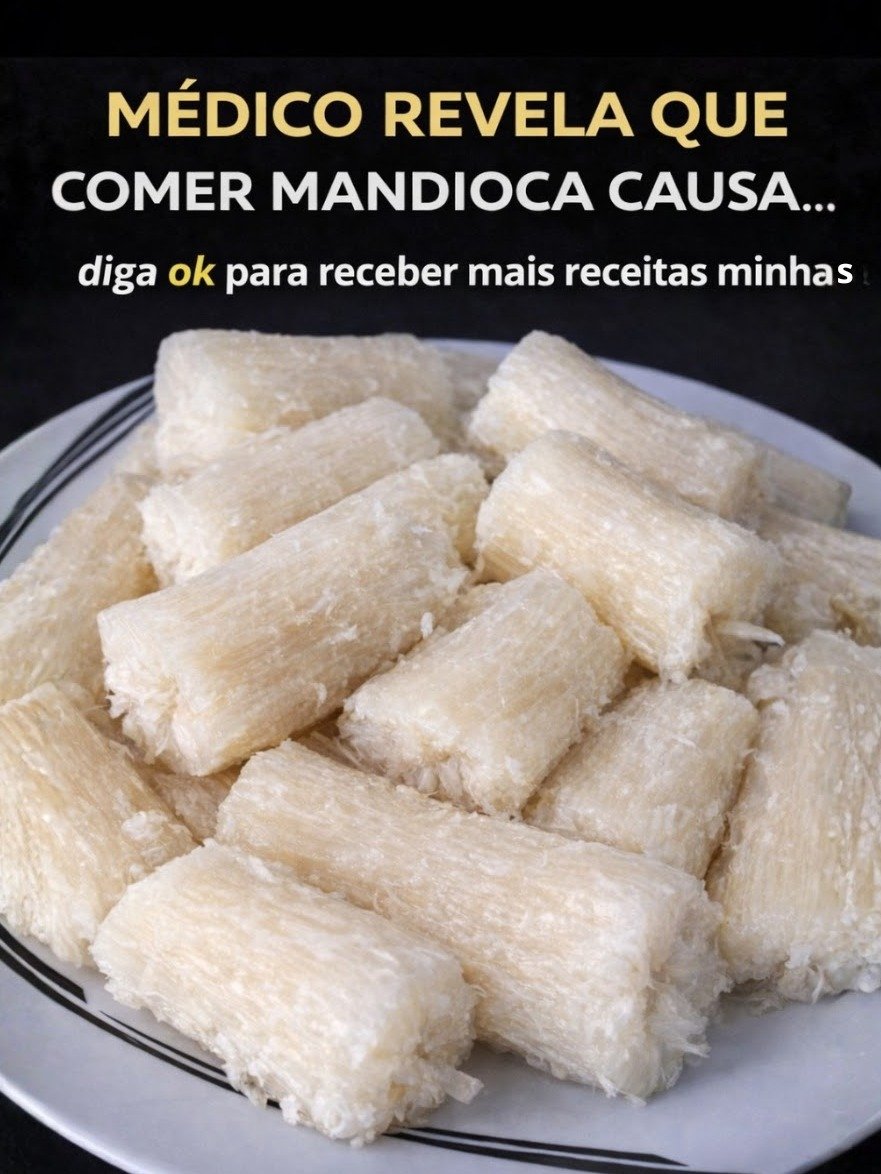
 Cassava, a dietary staple for billions across Africa, Asia, and Latin America, has recently been at the center of a viral storm. Whispers and alarming social media posts claim, “A doctor reveals that eating cassava causes…” — leaving countless people confused, worried, and questioning their favorite food.
So, what’s the real story behind this widely consumed root? Is cassava a hidden health hazard, or a nutritious powerhouse? Let’s dive in and uncover the truth.
🌿 What Exactly is Cassava?
Cassava, often known by regional names like yuca, manioc, or tapioca root, is a starchy root vegetable that serves as a vital carbohydrate source for millions. This versatile root can be enjoyed in various forms: boiled, fried, or processed into popular products like tapioca and cassava flour.
Its affordability and high energy content make it an indispensable food source across numerous nations, supporting daily nutrition for vast populations.
💚 The Surprising Benefits of Cassava
Before we delve into any potential concerns, it’s crucial to acknowledge the significant nutritional advantages that cassava brings to the table:
1. Potent Energy Source
Packed with carbohydrates, cassava delivers a quick and sustained energy boost, fueling your body efficiently.
2. Naturally Gluten-Free
Cassava flour stands out as an outstanding alternative for individuals managing gluten intolerance or celiac disease, offering a versatile ingredient for various dietary needs.
3. Contains Vitamin C
While not its primary nutrient, cassava does contribute, albeit modestly, to your daily intake of Vitamin C, supporting immune function and skin health.
⚠️ The Hidden Danger: Cyanogenic Compounds
This is precisely where the viral claims about cassava’s dangers originate.
Cassava naturally contains compounds known as cyanogenic glycosides. If not properly processed and consumed, these compounds can release cyanide – a highly toxic substance – into the body.
❗ Does This Mean Cassava is Poisonous?
Not at all, not necessarily.
👉 The critical factor is proper preparation, which effectively eliminates most of these toxins.
However, issues can arise, potentially leading to health complications, if cassava is:
- Consumed raw without any processing.
- Not soaked or cooked thoroughly enough to neutralize the compounds.
- Ingested in unusually large quantities over extended periods, especially within diets already lacking sufficient protein.
🚨 What Can Improperly Prepared Cassava Cause?
If cassava is not processed and cooked correctly, it can potentially lead to several health issues:
1. Cyanide Poisoning (Rare, but Serious)
While uncommon when prepared traditionally, severe symptoms can include dizziness, persistent headaches, nausea, vomiting, and in extreme, prolonged cases, irreversible neurological damage.
2. Thyroid Problems
Certain compounds in cassava can, over time, interfere with the body’s absorption of iodine, potentially impacting thyroid function, especially in regions with existing iodine deficiencies.
3. Nutritional Deficiencies
Relying solely or predominantly on cassava as a dietary staple, without balancing it with other foods, can result in diets lacking essential proteins and crucial micronutrients.
✅ When is Cassava Absolutely Safe to Eat?
Rest assured, cassava is perfectly safe and delicious when prepared using the correct methods:
- Thoroughly peel the entire root to remove the outer skin.
- Soak it in water (a crucial step, especially for “bitter” varieties, to help leach out toxins).
- Cook it completely until tender – whether by boiling, steaming, or frying. Raw cassava is a definite no-go.
- Never, under any circumstances, consume cassava raw.
In reality, billions of people worldwide safely enjoy cassava as a staple part of their diet every single day, thanks to these traditional preparation techniques.
🤔 Should You Avoid Cassava Altogether?
Absolutely not.
For the vast majority of individuals, cassava can be a perfectly healthy and valuable component of a balanced diet, offering sustained energy and versatility.
However, it is wise to pay extra attention and exercise caution if:
- You consume cassava with extremely high frequency, making it your primary food source.
- Your overall diet is notably low in protein, as this can exacerbate potential issues.
- You are uncertain or inconsistent with proper preparation methods.
🌟 The Bottom Line
The sensational viral claims suggesting that “cassava is inherently bad for you” are, at best, partially true but often wildly exaggerated and taken out of context.
👉 The truth is remarkably straightforward:
Cassava is a safe, nourishing, and valuable food source when it is prepared correctly. However, it absolutely can become harmful if consumed improperly or without adequate processing.